


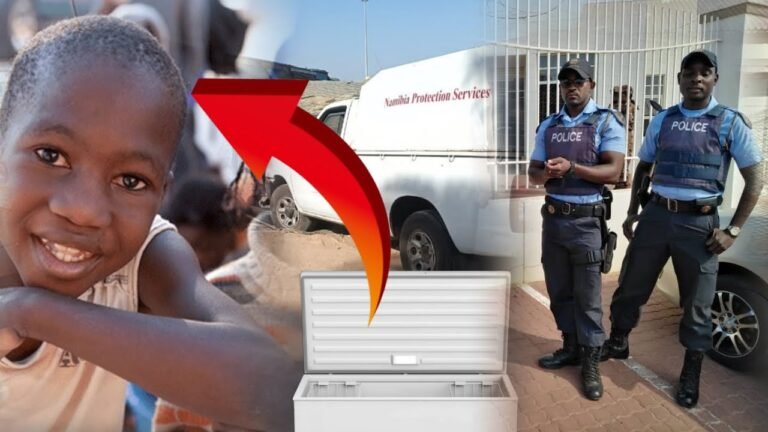
Arbaco 18-Sept-2024 {HMC} Carruur ku geeriyootay Finijeer ama Talaagad ay ku ciyaarayeen.
{DAAWO MUQAALKA} “Hal boos in 10jeer la sharciyeeyo waa caqabad oo anaga ayayba na qabsatay”Gudoomiye Madaale
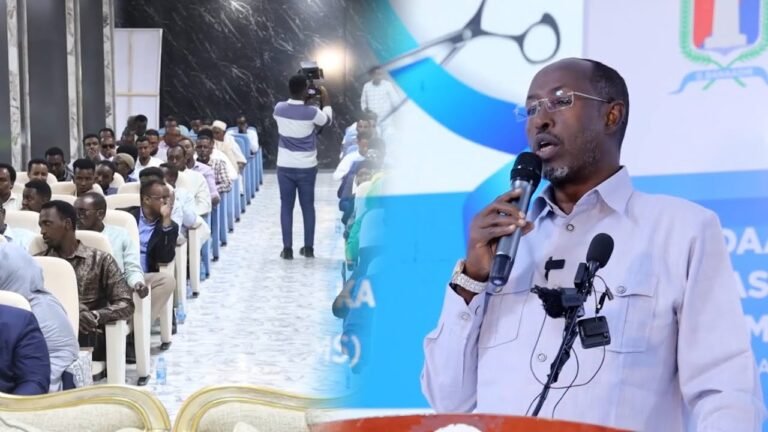
Arbaco 18-Sept-2024 {HMC} “Hal boos in 10jeer la sharciyeeyo waa caqabad oo anaga ayayba na qabsatay”Gudoomiye Madaale
HOOS KA DAAWO MUQAALKA WARBIXINTA
Four children trapped in freezer in Namibia die
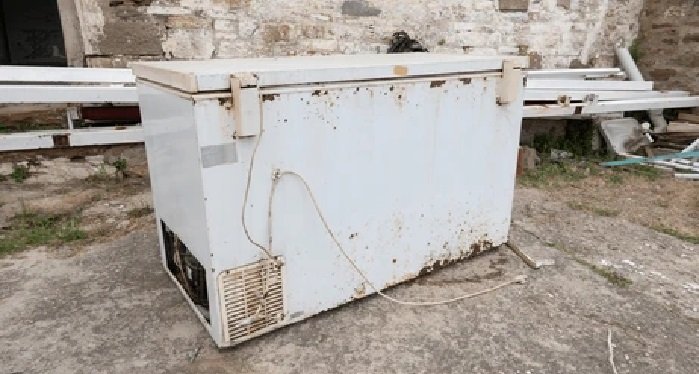
Wed 18 Sep, 2024 {HMC} Police in Namibia are investigating the death of four children who were playing in an empty old freezer in the north-eastern Zambezi Region.
Aged between three and six, the children were found inside the unused deep freezer in the densely populated area of the town of Katima Mulilo on Monday afternoon.
The police believe the children were accidentally trapped while playing and suffocated inside but investigations are under way.
Of the four children, two suffocated to death in the fridge while two others died in the hospital while receiving treatment, the public broadcaster reported.
“When I came in, I saw paramedics attending to my daughter and another girl. They rushed them to the hospital, while the other two were loaded in police mortuary vehicles,” Aranges Shoro, one of the fathers, told privately owned The Namibian newspaper.
“There was a hook on the freezer that could only be opened from the outside,” Zambezi regional police commander Andreas Shilelo is quoted by the AFP news agency as saying.
“They were stuck for about an hour and a half and suffocated.”
The two who were rushed to the nearby Katima Mulilo State Hospital were declared dead upon arrival, the public broadcaster NBC’s news website reported.
It is not clear why the non-functional freezer was left outside a house of one of the affected families.
SOURCE BBC
Climate change is turbo-charging Somalia’s problems – but there’s still hope
Wed 18 Sep, 2024 {HMC} Somalia may be one of the poorest countries in the world and beset by violence, but it is “fixable”, according to its top climate official.
The country has been torn apart by more than 30 years of overlapping conflicts – including an Islamist insurgency, a civil war, and a series of regional and clan confrontations. Yet Abdihakim Ainte, the Somali prime minister’s climate advisor, still regards his country as “as story of potential – of promise”.
What makes his optimism all the more surprising is the fact climate change is amplifying virtually all the challenges his country faces.
One commentator described climate change as a “chaos multiplier”, because it exacerbates existing tensions and entrenches conflict in fragile states like this.
Listen to Justin Rowlatt’s reporting from Somalia on The Climate Question
But Somalia, the easternmost country in continental Africa, can’t be held responsible for our changing climate. The figures are staggering. Somalia has emitted roughly as much carbon dioxide from fossil fuels since the 1950s as the US economy does in an average three days.
The most obvious effects of climate change here have been in agriculture. Somalia is still overwhelmingly an agricultural economy, with about two thirds of the population depending on farming and animal herding for most of their income.
In 2022 the country experienced its worst drought for 40 years – an event scientists estimate was made 100 times more likely by human-caused climate change.
The extent of the challenge Somalia faces became clear as the convoy of International Red Cross (ICRC) Land Cruisers we were travelling in rumbled into the dry scrub that covers most of the country. We were accompanied by three guards clutching AK47s – Somalia is the only country in the world where Red Cross staff travel with armed security as standard.
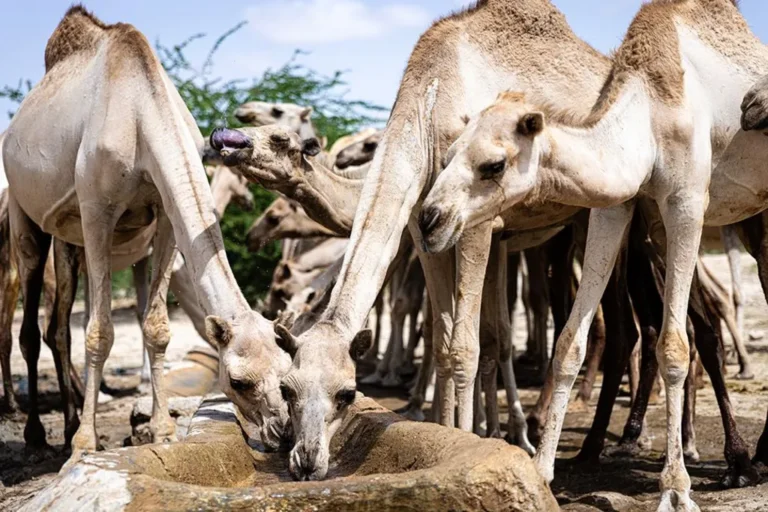
The camel herders and small-scale farmers we met are on the front line of climate change here. For thousands of years Somalis have been eking out a living moving their herds of camels and goats from one pasture to the next across this dry land.
But climate change is disrupting the patterns of rain that made this way of life possible.
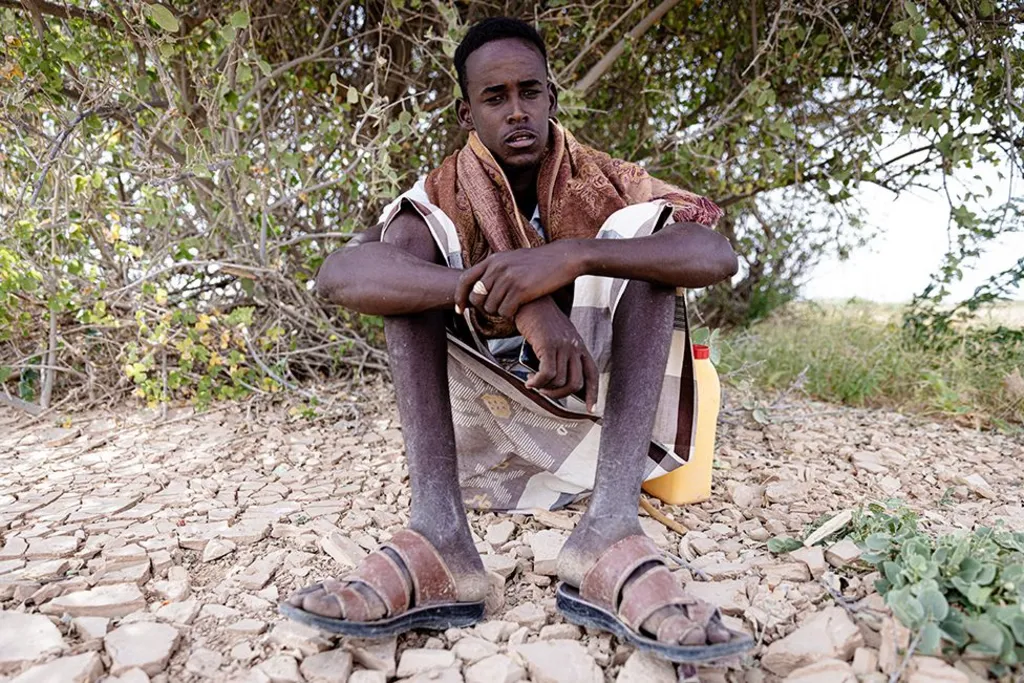
Sheik Don Ismail told us he lost all his camels during the drought, when grazing grounds dried up and the fodder he grew on his small farm wasn’t enough to sustain them.
“The well became dry and there was no pasture, so the animals began to die,” he said, shaking his head. “The life we lead now is really bad – really bad.”
That drought left farmers and herders fighting for access to water and pasture. Sheik Don said he was sometimes forced to defend his land at gunpoint.
“There is no respect if you don’t have a gun,” he said. “The herders who lead their animals into the farm stay back when they see my weapon. They get scared.”
In a country divided into rival clan groups and already scarred by violence, these localised disputes can easily spiral into full-blown battles, said Cyril Jaurena, who runs the ICRC operation in Somalia.
“Access to boreholes and pastureland gets more and more difficult to find, and so the population in the area might end up fighting – competing for those resources, and sometimes it goes to people shooting at each other,” he warned.
And drought isn’t the only problem here. Last year Somalia experienced terrible floods as a result of rains scientists say were made twice as intense by human-caused global warming. The floodwater washed away precious soils killing hundreds of people and displacing one million others.
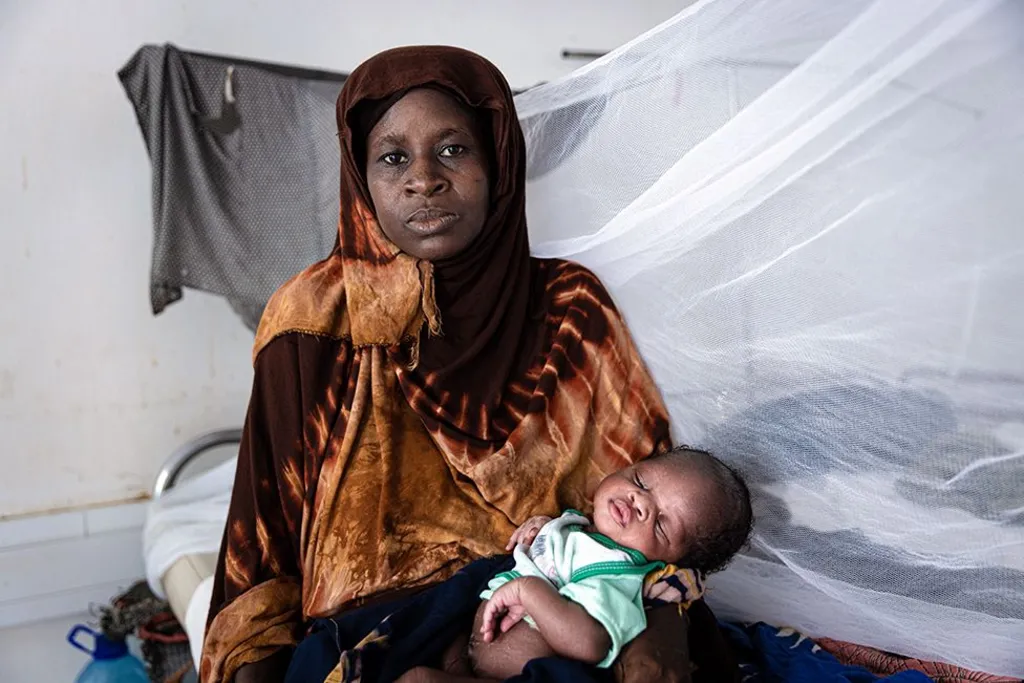
The effects of Somalia’s climate change “double whammy” are all too evident in the hunger clinic the Red Cross runs in a hospital in the port city of Kismayo on the south coast.
Every day a steady stream of mothers bring their malnourished babies here. Many have had to cross from territory controlled by al-Qaeda’s lethal affiliate, Islamist militants al-Shabab, to get here.
The UN estimates more than 1.5m children under the age of five are acutely malnourished in Somalia.
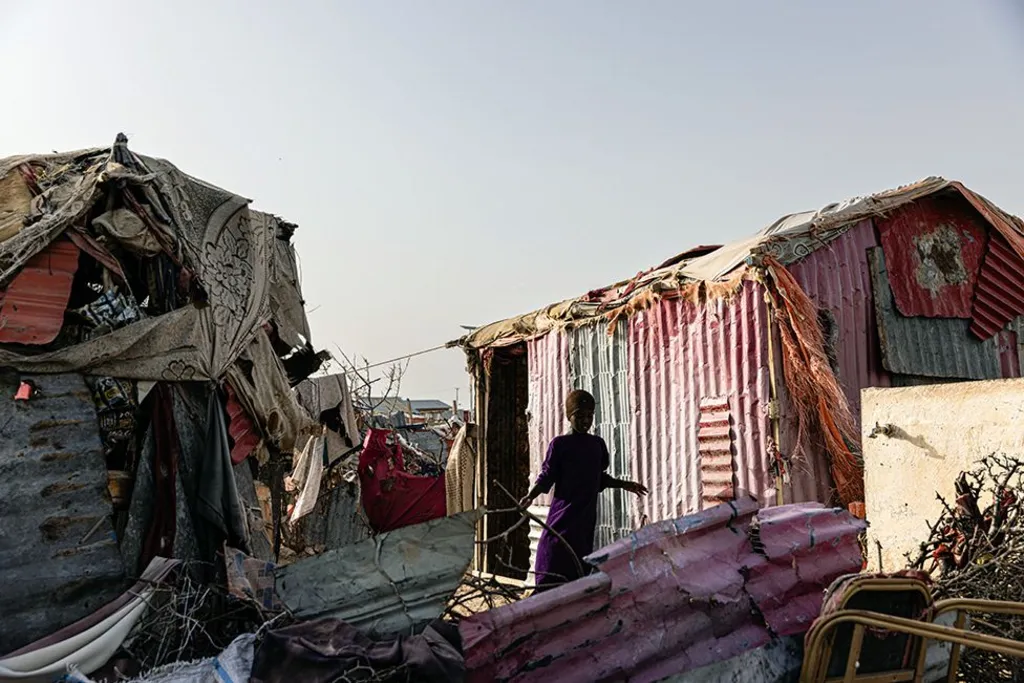
Around four million Somalis have been driven into vast makeshift refugee camps – about a fifth of the total population.
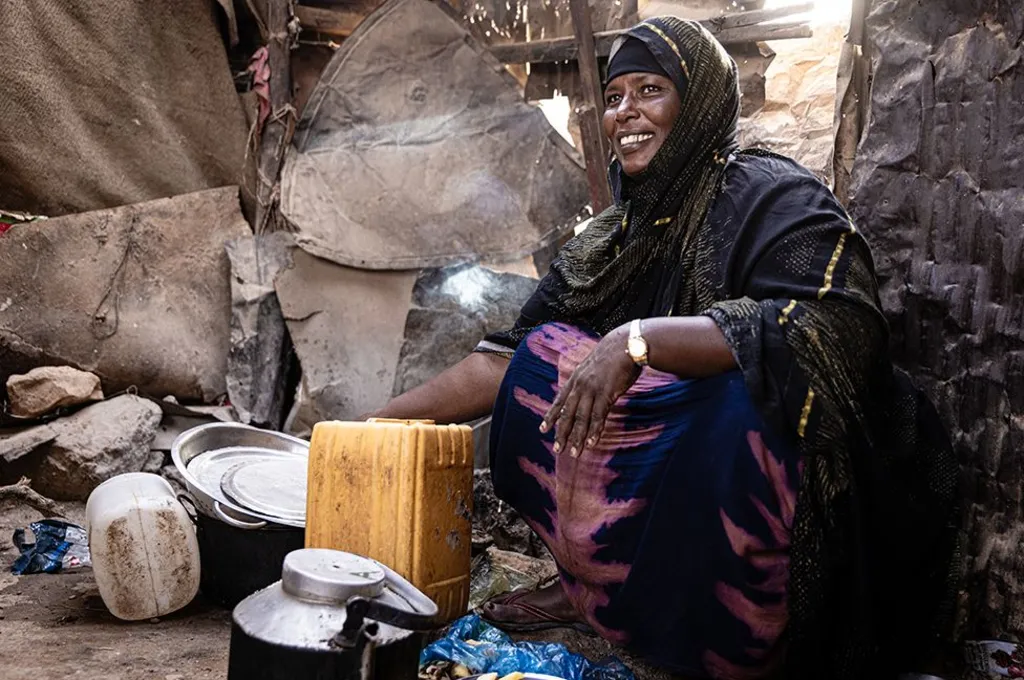
Displaced people make their homes out of anything they can get hold of – pieces of old fabric, plastic sheets and rusty corrugated iron – all draped over a web of dry sticks. Some people even unroll tin cans into strips to form parts of their walls.
There is little international support, if any. At the refugee camp I visited, just outside the city of Garowe in the north of Somalia, families have to pay for their food and water, as well as pay rent for the scraps of land where they build their shacks.
After more than three decades of war, Somalia has fallen way down the list of international priorities. Its problems have been eclipsed by what seem like more urgent conflicts, in places like Ukraine and Gaza. The UN calculates Somalia needs at least $1.6bn (about £1.2bn) to meet the basic humanitarian needs of the people this year, but so far just $600 million has been pledged by donor governments.
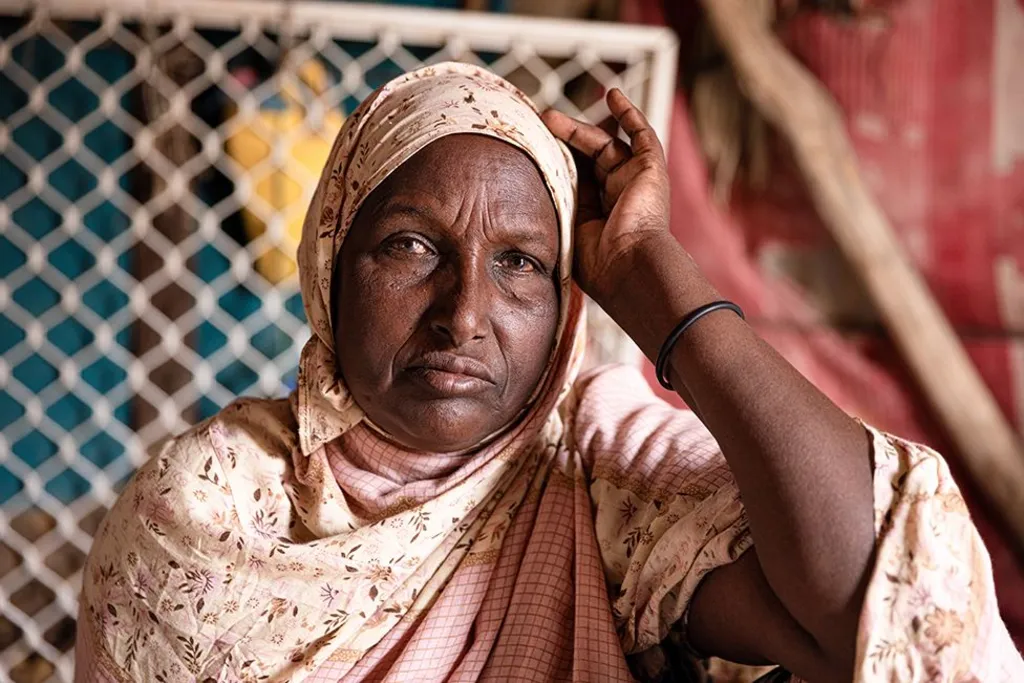
The entwined impacts of climate and conflict have created a huge reservoir of potential recruits for the country’s many conflicts.
Those in the camps are desperate for money, and the easiest work to come by – according to the people I spoke to – is as a paid fighter with one of the many rival armies.
One woman told me of her fears for her husband and four of her five sons after they became fighters with a local militia.
“They are rural people with no skills, so the only work they could get was in the army,” Halima Ibrahim Ali Mohamud said as we sat on carpets laid over the dirt floor of her hut.
“They were desperate, and when you are without food long enough, and your children are looking at you, you will do anything.”
As we went from shack to shack, mothers told us similar stories of husbands and sons who had left to become fighters, some of whom had been killed.
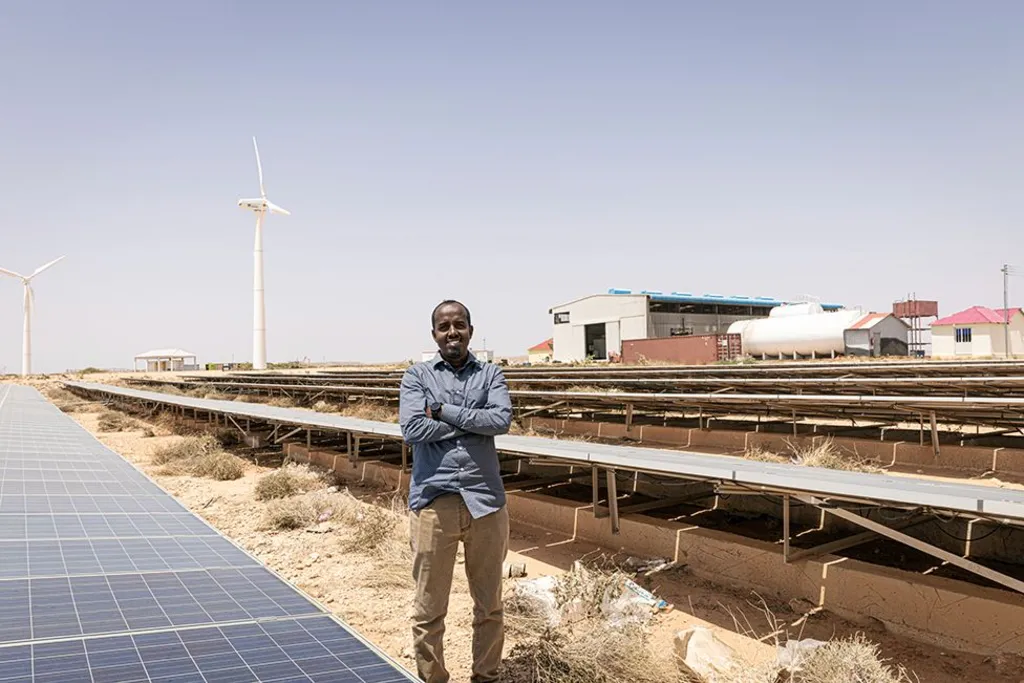
But many Somali people are taking action. The local power station in Garowe has been investing in wind and solar power, for example.
The decision wasn’t prompted by some international initiative, says the company CEO. Abdirazak Mohamed said he hasn’t received any grants or aid from abroad. The National Energy Corporation of Somalia (NECSOM), who he works for, is making the investments because renewables – energy derived from natural sources like the sun and the wind – are much better value than the diesel generators the power station used to rely on.
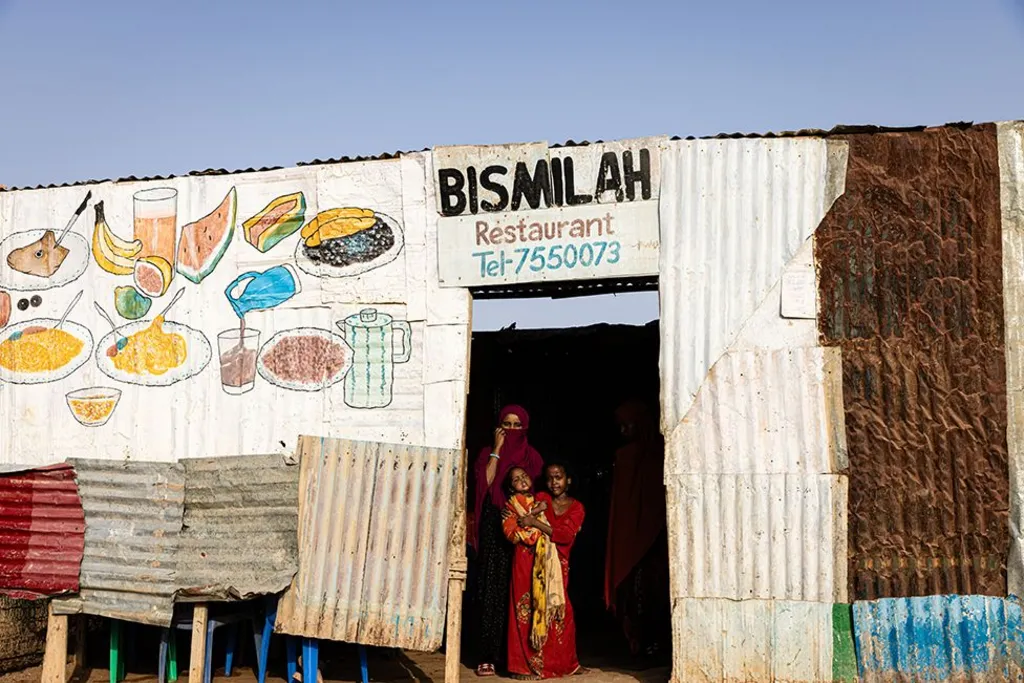
I met Somali entrepreneurs setting up businesses, including a woman who had arrived in the Garowe refugee camp with nothing, but who set up a thriving business.
Amina Osman Mohamed explained how she had borrowed food from a local stall, cooked it, and used the small profit she made to do the whole thing again the following day.
The small but busy café she created generates the extra cash she so desperately needs to care for her sick husband and 11 children – including those of her widowed daughter.
As I left Amina’s bustling café, I began to understand why the Somali prime minister’s climate advisor is optimistic about his country’s future.
There is hope. But with climate change turbo-charging the conflict here, this country will need continued international help to make peace and build resilience against our changing climate.
SOURCE BBC
Gaadiidleyda Baledweyne oo Doowlada Ka Codsaday Dhismaha Laamiga
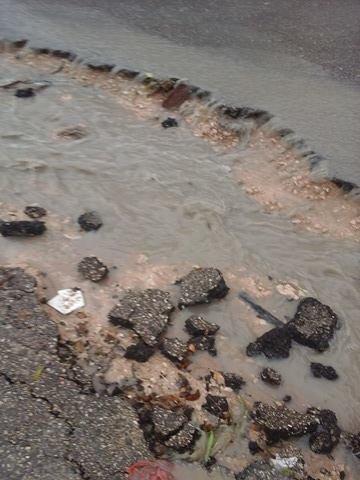
Arbaco 18 -09-2024 {HMC} Waxaa yaraaday isticmaalka laamiga maro bartamaha magaalada Beledweeyne, gaadiidleeyda ayaana yareeysay maritaankisa ayagoona inta badan maro wadooyinka yaryar ee hareer maro laamiga.
Waxa ka muuqdo Burbur xoogan oo aay ku dhibqabaan wadayaasha Gaadiidka xamuulka iyo kuwa Yaryar, sidoo kale xiliyada Roobka waxaa Fariisto laamiga dhiiqa aad ufarabadan oo Mararka qaar aay dhib ku qabaan dadka caadiga ah ee Lugeeyo.
Wadadaan laamiga ah ayaa ah mid muhiim u ah isku socodka afarta xaafad eey ka koobantahy Beledweyne Deegaanada ku Hareeresan iyo Gobolada Dhaxe ee Dalka.
Waxa dayacatir iyo dib udhis lagu sameeyo ugu Horeeysay 2020 kidib doowladii siyaadbre
balse hada waxa ka muuqdo burbur baahsan.
Gadeedleeyda oo ah kuwa inta badan isticmaalo laamiga ayaa doowlada ka codsaday in dib udhis lagu sameeyso laamiga si uu unoqdo mid ku wanaagsan mariinka.
Barnaamijka JPP Wajigiisi koowaad oo si rasmi ah loo soo Gebogabeeyey
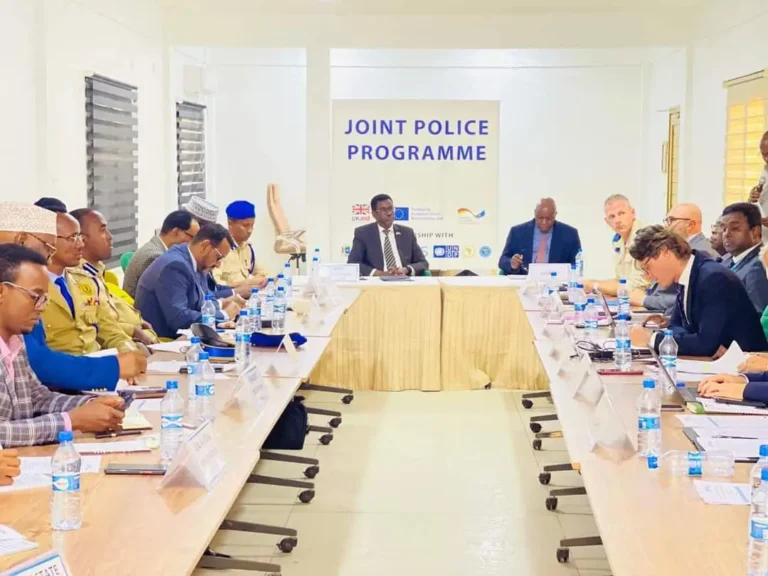
Arbaco 18 -09-2024 {HMC} Bishii Julaay 2024, waxaa si rasmi ah loo soo xiray wajiga koowaad ee Barnaamijka Horumarinta Booliska Soomaaliyeed (Joint Police Program 1 – JPP1), kaas oo bilowday sannadkii 2018, Barnaamijkan wuxuu ahaa mid aad u muhiim ah oo lagu gaaray guulo la taaban karo, isagoo xooga saaray kor u qaadidda xirfadaha, tayada, iyo awoodda Ciidanka Booliska Soomaaliyeed.
Munaasabadda xiritaanka ayaa waxaa ka soo qeyb galay Wasiirka Amniga Gudaha Mudane Cabdullaahi Sheekh Ismaaciil (Fartaag), ku xigeenka Wakiilka Qaramada Midoobay ee Soomaaliya, iyo madax sare oo ka socday hey’addaha taageerayay barnaamijka.
Barnaamijkan, oo dhaqaale ahaan ay ku taageerayeen Midowga Yurub, Boqortooyada Ingiriiska, iyo Jarmalka, ayaa sidoo kale waxaa gacan ka geystay dhowr hey’adood oo caalami ah, kuwaas oo ka qayb qaatay dhaqan-gelinta iyo fulinta qorshayaal lagu horumarinayo Ciidanka Booliska.
JPP1 wuxuu horseeday dhisidda xarumo cusub oo booliska lagu tababaro, wuxuuna sidoo kale bixiyay tababaro sare oo kor loogu qaadayay xirfadaha shaqaalaha booliska, taas oo qeyb weyn ka qaadatay sugidda amniga iyo xasiloonida dalka.
Dhallinyaro Dalka Dibadiisa ku xirnaa oo Dowladda Muqdisho kusoo celisay
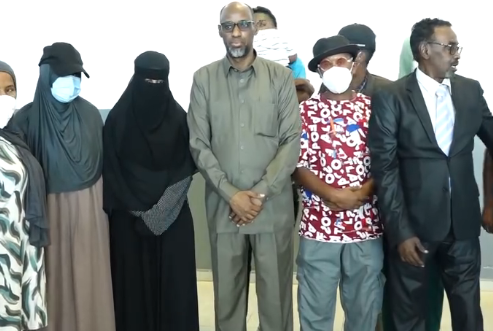
Arbaco 18 -09-2024 {HMC} Dowladda federaalka Soomaaliya ayaa maanta dalka dib ugu soo celisay dhallinyaro Soomaaliyeed doonayay in ay ka tahriibaan dalka Tunisia, halkaas oo ay doonayeen in ay ka galaan Waddamada reer Yurub.
Safiirka Soomaaliya ee dalka Aljeeriya Danjire Cabdiwahaab Macallin Maxamed ayaa sheegay in ay dowladda Soomaaliya ku bixisay dedaal dheer soo celinta muwaaddiniintan, iyadoo la kaashanaysa Safaaradda Aljeris iyo hay’adda IOM.
Dhallinyaradan oo ka kooban laba wiil iyo gabar ayaa ku xirnaa xabsi ku yaalla dalka Tunisia, waxanay Safaaradda Aljeris ee Soomaaliya oo kaashanaysa hay’adda IOM ku guuleysatay in ay ku soo wareejiyaan Safaaradda Soomaaliya ee Aljeris.
Safaaradda Soomaaliya ee dalka Aljeria ayaa ugu dambayn maanta kasoo dejisay dhallin yaradan garoonka diyaaradaha Muqdisho, iyagoo ka mahad celiyay dedaalka dheer ee ay dowladdu ku bixisay in ay dib ugu soo laabtaan dalkooda hooyo.
Safiirka Soomaaliya ee dalka Aljeeriya Danjire Cabdiwahaab Macallin Maxamed ayaa sidoo kale Wasaaradda arrimaha dibedda XFS, hay’adda socdaalka Adduunka IOM iyo waaliddiinta dhashay dhallin yarada ugu mahad celiyay dedaalka weyn ee ay muujiyeen.
Nigeria flags flood risk in 11 states as Cameroon releases dam water.
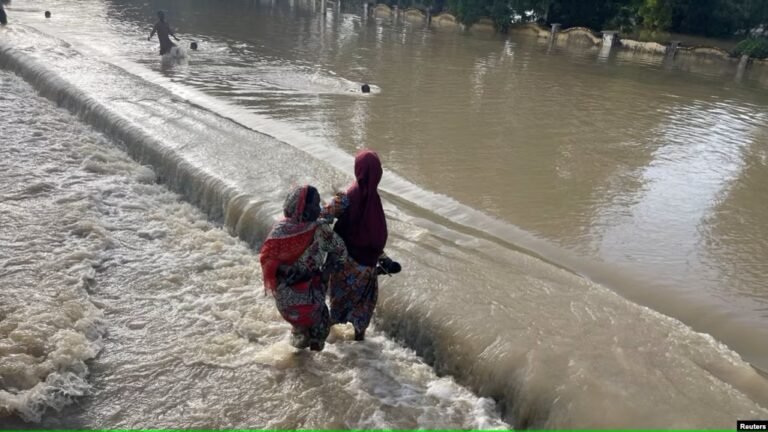
Wed 18 Sep, 2024 {HMC} Nigeria’s hydrological services agency has warned of potential flooding in 11 states after neighboring Cameroon said it was starting to release water from one of its largest dams following recent heavy rainfall in West and Central Africa.
The warning comes as Nigeria is already grappling with severe floods in northeastern Borno state where a dam burst its walls after heavy rains that have also caused floods in Cameroon, Chad, Mali and Niger — all part of Africa’s Sahel region that usually receives little rain.
The Nigeria Hydrological Services Agency (NIHSA) said it had been notified by authorities in Cameroon on Tuesday that they had started controlled water releases from Lagdo dam.
Cameroon has several dams on the Benue River, which flows downstream to Nigeria.
A spokesperson for Cameroon’s utility ENEO, which manages the dam, told Reuters there was a possibility that the dam could be flooded, but the reservoirs had not been opened on Wednesday morning.
The NIHSA said Lagdo dam managers would gradually release water in a way not to exceed the capacity of the Benue river downstream to prevent flooding.
But 11 states, including Benue, Nasarawa and Kogi in the food producing central belt region and southern oil producing states of Bayelsa, Delta and Rivers were at risk, said NIHSA.
It urged federal and state authorities in Nigeria “to step up vigilance and deploy adequate preparedness measures to reduce possible impacts of flooding that may occur as a result of increase in flow levels of our major rivers at this period.”
In 2022, Nigeria lost more than 600 people and farmlands to the worst flooding in a decade following heavy rain and after Cameroon released water from Lagdo dam.
Experts said then that Nigeria’s failure to complete a dam of its own that was supposed to backstop the Cameroonian one worsened the disaster.
Nigeria, the most populous nation in Africa, is prone to flooding but critics say defective infrastructure and poor planning worsen the situation.
SOURCE VOA
Dagaal Beeleed Kasoo Cusboonaaday Xadka Hiiraan & Shabeellada Dhaxe
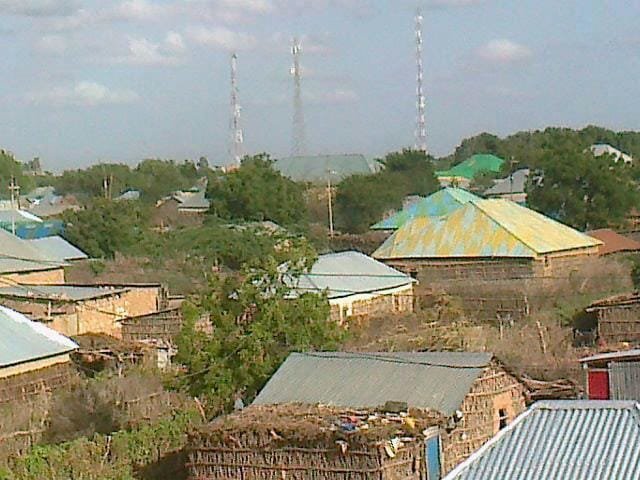
Arbaco 18 -09-2024 {HMC} Faah Faahin dheerad ayaa kasoo Baxeeyso Dagaal udhaxeeyo Labo Maleeshiyo Beelled oo Manta barqadii ka dhacay deegaanka Galcad oo ku yaalla Xadka Gobolada Hiiraan iyo Shabeella dhaxe.
Dagaalkan ayaa sababay dhimashada 3 Ruux iyo dhawaca ku dhawaad 2 qof oo u badan dhinacyadii dagaalamay ah. Dagaalkan oo salka ku haayo Murad dhinaca Xadka ah ayaa ka biloowday kadib Markii dadka xoolo dhaqato ah oo meel Cusub dagay dhawaan ay Maleeshiyo Hubeeysan Weerar kusoo qaaday iyaga oo dadkane ay sameeyen iska Caabin.
Galcad Waxaa uu ku yaalla inta udhaxeeyso Ceel dheere iyo Jalalaqsi ee Gobolada Hiiraan iyo Shabeelada dhaxe. Xiisad Colaadeed ayaa manta ka taagan deegaanka uu dhibka ka dhacay Manta. Labada Maleeshiyo Beellod aya wado Hub Aruursi iyada oo dhinac walba gurmadyo kala duwan gaaray.
Odoyaasha deegaanka ayaa wado dadaalo ah sidii Loo Joojin lahaa Xiisadan Colaadeed oo manta ka taagan Xadka Labadan Gobol. Colaadaha dhinaca Qabaa’ilka ayaa kusoo laalabtay Xadkan iyaga ilaa iyo Hada aanan Xal Ramsi ah Laga Gaarin.
Nine dead in renewed fighting in Ethiopia’s Amhara region
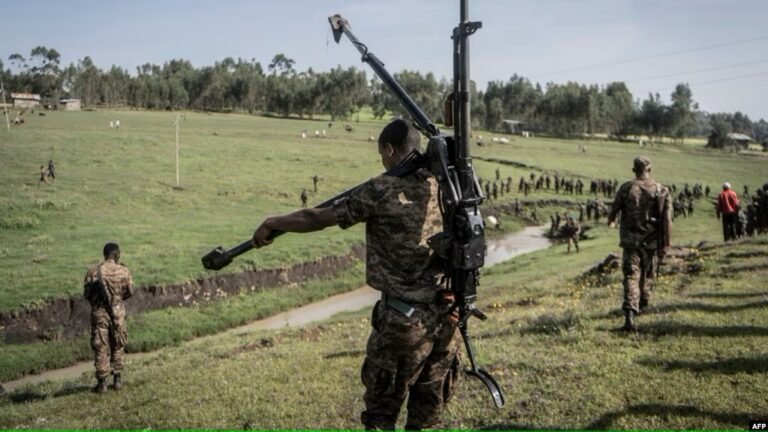
Wed 18 Sep, 2024 {HMC} At least nine people were killed and more than 30 others were injured in fresh fighting that erupted in Debark and Dabat towns of the North Gondar zone in Ethiopia’s Amhara region between government forces and the Fano militias, witnesses and medical sources told VOA Horn of Africa Service.
The fighting ignited Monday and continued into Tuesday.
Witnesses and medical workers in Debark reported the fatalities and dozens of injuries. The general manager of Debark Hospital, Ale Amlak, told VOA that they have treated at least 30 combatants and civilians, including children that were injured in the clashes since Monday.
Ale mentioned that some victims died before reaching the hospital.
“A church has been hosting a burial ritual since yesterday,” he told VOA Horn of Africa Service.
“This morning, I saw six coffins being buried at St. Michael Ethiopian Orthodox Church.”
He said that among those treated, one civilian and one combatant have died. He didn’t however indicate whether the combatant was a member of government forces or the Fano militia.
A Debark resident, who preferred not to be identified, also said that there was a clash between military personnel and the Fano militia.
“By 7 a.m., I had seen perhaps eight deaths, including one woman who was hit while holding her child,” he said.
Administrator of the Chilla locality in the Dabat district, Minale Ginbneh, confirmed the clashes, saying at least six houses were damaged Monday in heavy artillery exchanges by both sides.
Businesses and government offices remained closed for the second consecutive day on Tuesday in the Debark and Dabat towns as a result of the fighting, three residents, who did not want to be identified for security reasons, told VOA.
Debark, about 700 km. north of Addis Ababa, is the nearest town to the Semien Mountains National Park, one of the first sites to be named by UNESCO as a World Heritage Site, in 1978.
Dabat district hosts the Alemwach Refugee Camp, which is reportedly home to more than 20,000 Eritrean refugees. Minale says the refugees are safe. A representative of the refugees, Mulugeta Gebresellassie, also told VOA, “no one is hurt.”
Meanwhile, residents in the main Amhara city of Gondar have also reported a third frontline, where government and Fano militias clashed.
A resident in Gondar told VOA that fighting has been ongoing since Monday, with Fano entering parts of the city.
Anteneh Dires, who said he is the head of the Amhara Fano in Gondar Zone, claimed that Fano militia were “active” in Gondar and Wollo zones.
He alleged that government soldiers were to blame for injuries he said were sustained by innocent individuals during the fighting in Gondar.
All the casualties reported were from the town of Debark. Casualty figures from clashes in Dabat and Gondar are not clear.
Attempts to reach the federal government communication office and Amhara regional officials have not been successful.
VOA could not independently verify which side started the fighting.
Ethiopian Prime Minister Abiy Ahmed said last month that negotiations took place with armed militias in the Amhara region to peacefully resolve the ongoing conflict there. A spokesperson for Fano, an ethnic Amhara militia, denied holding talks with the federal government.
Fighting between federal government forces and Fano broke out more than a year ago after reports emerged that the government was planning to disarm regional paramilitary forces to integrate them into other security structures, including the federal army.
SOURCE VOA