

Jimco May 16, 2025 {HMC} Dhageystayaal halkan waxa aan idiin kugu soo gudbi neynaa Warka Subaxnimo ee Warbaahinta Hiiraanweyn.
Warka waxaa soo jeedinayo ::Abdirahman Macalin Muse Osman
Farsamadii ::Mohamed Baryare Haamud
Warka waxaa soo jeedinayo ::Abdirahman Macalin Muse Osman
Farsamadii ::Mohamed Baryare Haamud

Jimco 16, May 2025 {HMC} Madaxwaynaha dalka Mareykanka oo maalmahan booqasho ku joogay dalalka Khaliijka ayaa intii uu booqashada ku joogay Imaraadka waxaa uu booqday goobo kala duwan.
Trump waxa ka mid ah goobaha uu Masjidka weyn ee Sheikh Zayed isga oo uu weheliyo dhaxal sugaha Abu Dhabey, Sheikh Khalid bin Maxamed bin Zayed Al Nahyan.
“Aad ayuu u qurux badan yahay,” ayuu Trump u sheegay saxafiyiinta gudaha masjidka, oo la sheegay in uu xirnaa maalintaas.
“Tani waa markii ugu horeysay oo ay xiraan, si ay u sharfaan Mareykanka, tani waxay ka wanaagsan tahay in la i sharfo, tani waa mid dalka sharfeysa, waana abaal weyn,” ayuu intii raaciyay.
Bin Zayed waxa uu Trump ku abaalmariyey Biladda Zayed, oo ah Abaalmarinta ugu sarreysa ee Imaaraatka Carabta la siiyo Madaxda, Boqorrada iyo Madaxweynayaasha
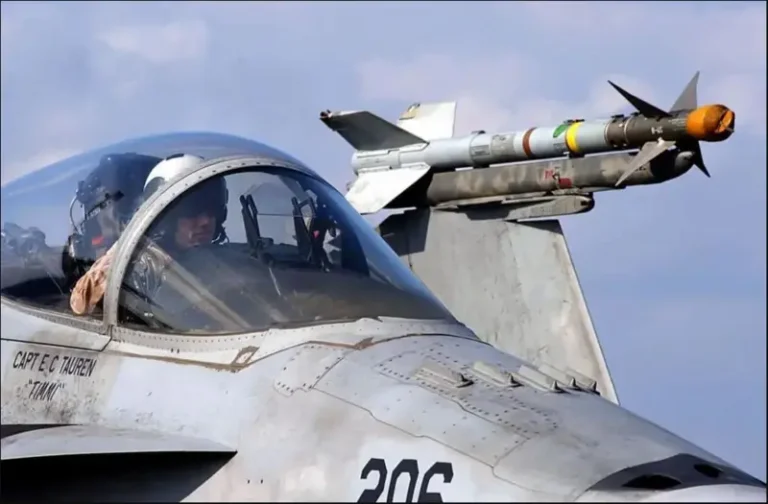
Jimco 16, May 2025 {HMC} Wasaaradda Difaaca Mareykanka ayaa ku dhawaaqday in Wasaaradda Arrimaha Dibadda Mareykanka ay ogolaatay suurtagalnimada in 13-kii April laga iibiyo Turkiga gantaallo iyo qalab kale oo qiimahiisu dhan yahay $304 milyan.
Oggolaanshaha iibku waxaa ka mid ah in Turkiga laga iibiyo gantaalada AIM-9X Sidewinder Block II iyo AIM-120C-8 oo dhammaantooda ah gantaalada lidka diyaaradaha.
Gantaaladan ayaa ah kuwa riddada gaaban ee hawada waxaana loo adeegsadaa diyaaradaha dagaalka si ay u soo ridaan diyaaradaha kale ee dagaalka.
Gantaalkan oo culeyskiisu yahay 85 Kg, ayaa kulaylkooda ku ogaanaya bartilmaameedkiisa, isla markaana si toos ah isu hagaya, waxaana uuna xambaaraa waxyaabaha qarxa.
Laba maalmood ka hor dalalka Turkiye iyo Norway ayaa loo ogolaaday inay soo iibsadaan 300 oo gantaalladaas ah.
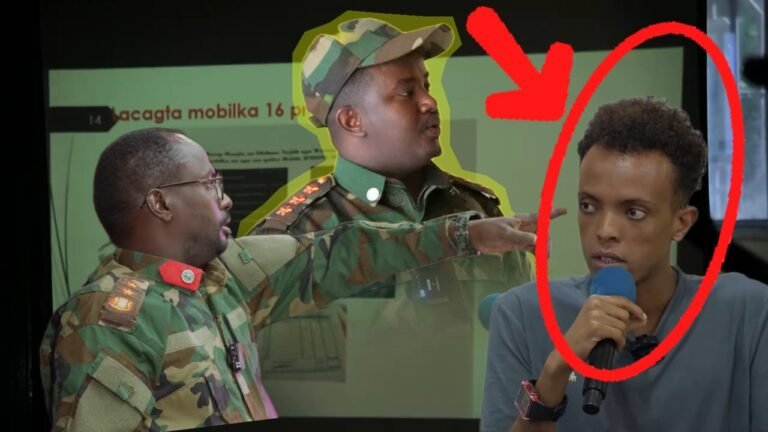
Khmiis 15, May 2 025 {HMC} Askarigii sida Cajiib ahaa u lunsaday Lacagaha badan iyo Gudoomiye Shuute.
HOOS KA DAAWO MUQAALKA WARBIXINTA
Talaado 15, May 2025 {HMC} Hay’adda Save the Children ayaa sheegtay dhimista gargaarka caalamiga ah in ay keentay in in ka badan rubuc (27%) xarumaha caafimaadka iyo nafaqada ee Save the Children ay taageerto Soomaaliya ay joojinayaan adeegyadooda bisha Juun ee sannadkan.
Hay’adda Save Children ayaa sheegtay in go’aankan uu halis gelinayo nolosha ugu yaraan 55,000 oo carruur ah oo ka faaidaysan jiray barnaamijyadan hay’adda Save.
Xogta laga helay Waaxda Falanqaynta Amniga Cuntada iyo Nafaqada ayaa muujinaysa in 1.8 milyan oo carruur ah Soomaaliya ay sanadkan la kulmi doonaan nafaqo-xumo daran, iyadoo 479,000 laga cabsi qabo inay wajahayaan nafaqo-xumo halis ah oo dhimasho sababi karta haddii aan si degdeg ah loo daweyn.
Magaalada Baydhabo oo ku taalla koonfurta Soomaaliya ayaa kamid ah goobaha ugu nugul saameynta abaarta iyo colaadaha, iyadoo hadda hoy u ah ku dhawaad 800,000 oo barakacayaal ah. Sidoo kale waa meelaha ugu badan ee ay Save the Children xirmidoonaan xarumaha nafaqada.
Dhammaan xarumaha nafaqada ee Save the Children ee Baydhabo ayaa la qorsheynayaa inay xirmaan bisha Juun.
Dr. Mustafa Maxamed, oo ka shaqeeya xarun xasilinta carruurta ee Save the Children ee Baydhabo, ayaa sheegay in haddii xaruntooda la xiro, carruur badan ay gelayaan khatar aad u weyn maaddaama aysan jirin meel kale oo ay tagaan.
“Waa wax laga argagaxo in la malaynayo saameynta dhimista gargaarkan ku yeelan doonto Soomaaliya dhowr bilood gudahood, waddan horeyba ula ildarnaa macluul iyo gaajo daran. Meelo sida Baydhabo oo kale ah waxaan sameyneynaa wax kasta oo suurtagal ah si aan dib ugu dhigno xiritaanka adeegyada nafaqada ee badbaadinta nolosha, laakiin ma sii wadi karno tan si joogto ah. Haddii aan dhaqso loogu helin taageero, waxaan ka baqaynaa in carruurta Soomaaliya ay wajihi doonaan cawaaqib dhimasho leh,” ayuu yiri agaasimaha Guud ee Save the Children Soomaaliya, Mohamud Mohamed Hassan.
Save Children waxay Soomaaliya ka shaqeynaysay tan iyo 1951, iyadoo ka shaqeysa barnaamijyo caafimaad, waxbarasho iyo taageerada cunto. Sannadkii hore ayay gaartay 3.2 milyan oo qof, oo ay ku jiraan 1.9 milyan oo carruur ah.
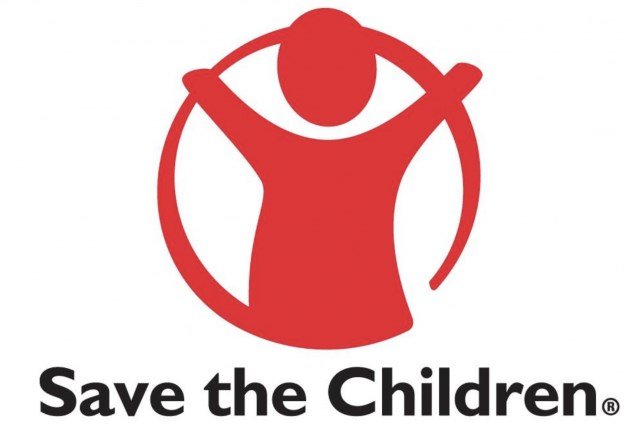
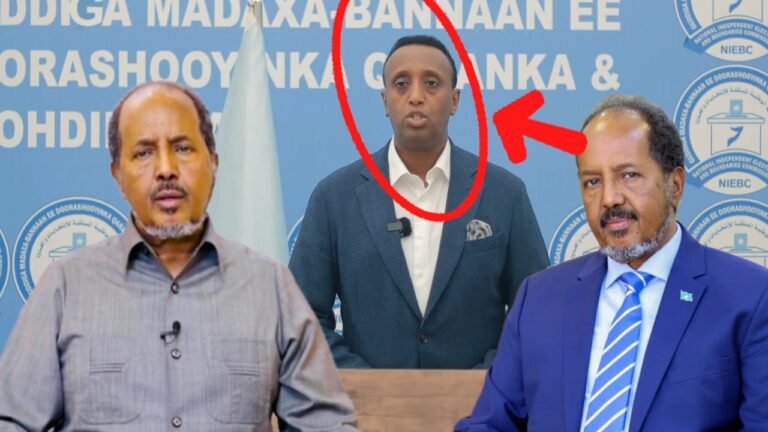
Khmiis 15, May 2 025 {HMC} WAR DEG-DEG AH: Gudiga doorashooyinka oo Soo saaray War cusub.
HOOS KA DAAWO MUQAALKA WARBIXINTA
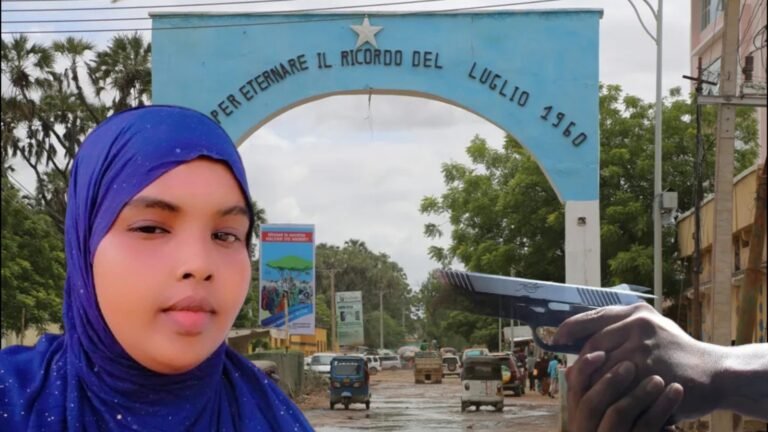
Khmiis 15, May 2 025 {HMC} FAAH-FAAHIN: Haweeney lagu dilay Baladweyne.
HOOS KA DAAWO MUQAALKA WARBIXINTA
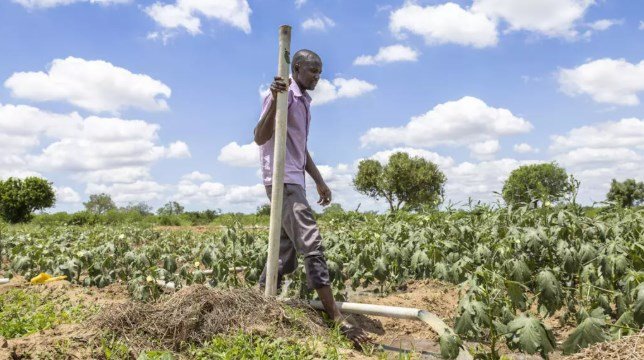
Thursday 15, May 2025 {HMC} Three years ago, Thomas Kazungu Karisa was struggling to make ends meet as a petrol station attendant in the Kenyan county of Kilifi, when a sudden cash donation changed his life.
“My family often went to bed hungry, my children were sent home from school for unpaid fees and I was buried in debt,” said Karisa, a father of five.
Now he beams at his lush farm blooming with okra, the result of a one-off donation of 110,000 Kenyan shillings (roughly $930 at the time) from a New York-based NGO, GiveDirectly.
He used the cash to lease a plot of land with two neighbours in his village of Milore, install an irrigation system and start farming.
He built up credit and bought two cows, as well as a chainsaw he rents out for 2,000 Kenyan shillings at a time.
“If they had given me food, it would have been long gone by now,” Karisa told AFP.
“But with the money, I have been able to change my life.”
GiveDirectly believes charities and NGOs should stop handing out things like food and school books, and start just sending people cash.
It has given donations to almost 1.5 million Africans, and has carried out 25 studies across the continent to measure the impact.
Fears the money would be misused or wasted were unfounded, it said. One Kenyan study found that families generated $2.50 for every $1 received.
“We can show evidence of cash having reversed domestic violence, improved child mortality, improved business outcomes, made families healthier, children accessing more education,” said Caroline Teti, GiveDirectly’s vice president for risk in Africa.
‘Poverty doesn’t wait’
With the United States and other Western countries sharply cutting aid in recent months, GiveDirectly believes cash handouts offer a way to do more with less.
Traditional aid systems spend vast amounts on planning, supplies, transport, offices and expensive Western staff.
A 2022 study by the University of Washington found that back-office costs in the United States ate up 30 to 60 percent of budgets for global health projects. Much more was lost getting supplies to the final endpoint.
GiveDirectly still has overhead costs, but says 80 percent of donations goes directly into the hands of recipients.
“Cash is not a magic bullet,” Teti said. Governments are still needed for fundamentals like schools, health facilities and electricity.
But for improving livelihoods of the poor, cash can be effective and fast.
“Poverty doesn’t wait,” Teti said. “One year is enough for a girl to drop out of school… for a mother or child to die.”
Other aid agencies have embraced the concept over the past 10-15 years as hundreds of studies have shown its efficacy.
The Norwegian Refugee Council now gives 20 percent of its aid in cash, but could easily give as much as 45 percent, said Tariq Riebl, its strategy and innovation director.
Even USAID — before being gutted by the administration of President Donald Trump — finally backed the use of cash payments in a policy paper last October, after years of internal pushback.
The only real obstacle, Riebl told AFP, is “latent conservatism” in the aid sector: “There’s something more comforting about handing over a kit of non-food items or a sack of rice, than giving cash.”
‘Dilemma’
Cash is not suitable everywhere, such as war zones where markets barely exist, or when specialist items are needed like ID cards for refugees, or HIV medication.
Doctors Without Borders (MSF), a medical organisation, has twice used cash transfers when markets collapsed: in Syria in the mid-2010s and recently in Sudan’s Darfur region.
But they were exceptions.
“Cash for healthcare remains very rare,” said MSF’s advocacy head, Tarak Bach Baouab. “We want to be sure of the quality of our programmes so we prefer sourcing the drugs and equipment ourselves.”
Nonetheless, there is a dilemma.
“We’re not there to tell people what to do with their lives. It’s not very empowering and it creates a lot of dependency,” Baouab said.
“But if you give cash to a family and they don’t spend it in the right way, then we might see health outcomes diminish.”
GiveDirectly sees this as a selling point for giving cash wherever possible.
“Lives can only be changed by the people who are living that life,” Teti said.
“We are giving them dignity and we are giving them choice.”


Thursday 15, May 2025 {HMC} Hawa Haji Ahmed’s family of six currently lack everything that they had back in their home village in Middle Shabelle region – food, water, their own house, and a source of income from their farm.
Chased away by deadly clan conflict over farmland around their home in Timiro village, in Jowhar district, they have sought refuge in War-jano displacement camp in Deynile district of Mogadishu, along with hundreds of other mainly women and children from the district.
Hawa said that they were already struggling with the effects of the harsh drought, and the clan conflict that has spilled over to several parts of Jowhar made life even harder.
“We eat what our neighbours bring us here. Last night, we had nothing to eat. I cook once a night, and in the morning the children eat what is left from the night before. Life is like that! We ask God to give us food, we hope God helps us,” she said.
Hawa looks for laundry work in the morning but often returns in the afternoon without finding anything. She said this is because there are few opportunities in Mogadishu, and she is new here.
Some days she earns $3 but if there’s no work, she and her children go hungry. The youngest is only three years old.
When she can’t pay for a 20-litre bucket costing 2,000 Somali shillings, she asks neighbours for enough to last the day. She carries the heavy bucket on her back from a private well an hour’s walk from the camp.
Hawa’s family was forced to rely on strangers in the camp after, in an additional calamity, their hut was destroyed by sudden a storm in April.
“You can see the remains of the house we were living in, it’s on the ground. A good neighbour and the [camp] chairman told us they would rebuild it for us, but it hasn’t happened yet so my children and I sleep with the neighbour’s family now.”
Hawa said her husband died of high blood pressure shortly after they arrived in Mogadishu, leaving her to provide for the family alone.
The family owned a two-hectare farm in Timiro village in Middle Shabelle region, but they hadn’t planted anything in the last two seasons due to drought. When they fled, they left with nothing.
Other families from Jowhar district who fled the same clan conflict are also facing hardship in War-jano camp. Halima Yusuf Hirsi, a mother of five, fled their two-hectare farm in Buri area of Jowhar. She invested $100 planting cassava, bananas, and beans last December, although now they have nothing to eat.
“My children live off leftover vegetables people throw away,” Halima told Radio Ergo. “I collect them from Bakara market [Mogadishu] and make one meal a day. I tried to find work as a manual labourer, but failed.
“Sometimes we get something, sometimes we don’t. Last night, I couldn’t afford anything for my child. Yesterday I walked around all day and it drained me. I carried something for someone as a porter but I only made 3,000 shillings that I spent on the transport, so I came home with nothing. I put my child to sleep like that.”
Halima brought nothing with her from her home and farm in Buri. Her current shelter is a makeshift hut made from pieces of wood and cloth, offering little protection from the sun or rain. Her three children, who used to attend a free Koranic school at home, are now without lessons.
Halima said she never imagined being displaced and wants to return home, but ongoing fighting over the disputed farmland makes it impossible.
“If it rains, there’s nothing to stop it here due to this shelter. This place is too small for me and my children. We are in trouble, and only God can get us out of this situation. We used to eat two meals a day. That feels all in the past now,” Halima told Radio Ergo.
Her husband was killed late last year during the same clan conflict that forced them from their home, leaving her to raise the children alone.
Also living in War-jano IDP camp is Caynaba Ali Ubeyd, a 62-year-old mother of 10, who arrived in February after fleeing the clan violence in their area.
She supported her family off the five-hectare farm they owned in Hawadley, 40 kilometres from Jowhar, the capital of Hirshabelle state.
In January, she had started a mixed-use farm growing food and vegetables, borrowing $500 to start it. She was looking forward to the first harvest.
“I promised the people I borrowed the money from that I’d repay them after harvest, but now that hope is gone. They keep asking for their money, and I can’t even find food for my children.
“We don’t get food in the morning, afternoon, or night. We have no food. The weather is bad, it’s raining, and our children are hungry. We have nothing to give them. They suffer, I suffer…we survive from one night to the next,” Caynaba said.
She is unable to do manual labour, but took one laundry work although jobs are rare. Her husband is disabled and unable to help support the family.
The large family live in a single hut that offers no protection from the elements. She said she feels desperate and doesn’t know how to help her family escape their current situation.
Their home Hawadley was the scene of fighting between government forces and Al-Shabab, which caused significant displacement of farmers last year.
The combined impact of clan conflict and drought has forced hundreds of women like Hawa, Halima, and Caynaba into sudden displacement in an unfamiliar city, where they are stripped of a livelihood and unable to support themselves. Numerous others have been fleeing Middle Shabelle region due to the ongoing war against Al-Shabab. Few o the displaced find jobs or aid to support their families in Mogadishu.