

Jimco 09, May 2025 {HMC} Dhageystayaal halkan waxa aan idiin kugu soo gudbi neynaa Warka Habeenimo ee Warbaahinta Hiiraanweyn
Warka waxaa soo jeedinayo ::Abdiraxman Macalin Muse
Farsamadii ::Mohamed Baryare Haamud
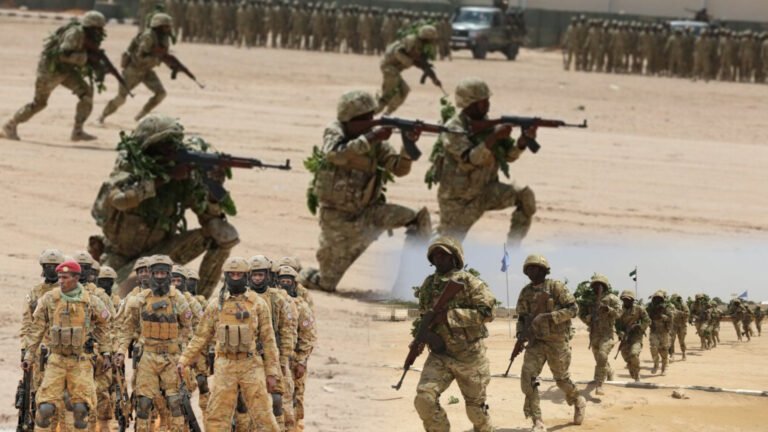
Jimco 09, May 2025 {HMC} Dhageystayaal halkan waxa aan idiin kugu soo gudbi neynaa Warka Habeenimo ee Warbaahinta Hiiraanweyn
Warka waxaa soo jeedinayo ::Abdiraxman Macalin Muse
Farsamadii ::Mohamed Baryare Haamud
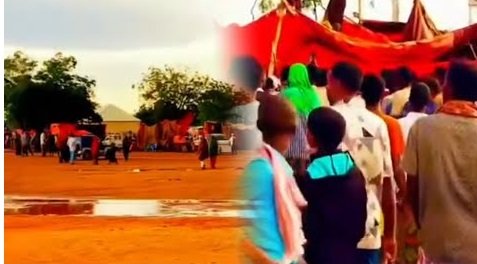
Jimc 09, May 2025 {HMC} Biriq Khasaare Naf iyo Maal leh ka Dhalisay Galgaduud
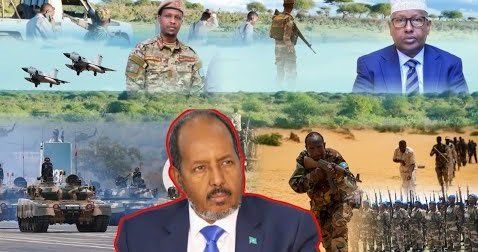
Jimco 09, May 2025 {HMC} Waxaa halkan idin kugu soo gudbineyna Wararkii ugu Dambeeyay Soomaaliya iyo Caalamka ee Warbaahinta Hiiraanweyn.
HOOS KA DAAWO WARARKII UGU DAMBEEYAY.
Jimc 09, May 2025 {HMC} Nibiri ku soo Caariyey Xeebaha Puntland.
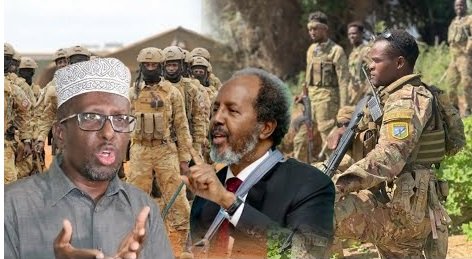
Jimc 09, May 2025 {HMC} ‘Dalka waxaa uu qarka u saaran yahay Dagaal sukeeye” Sheekh shariif”

Jimc 09, May 2025 {HMC} Maxay ku kala tageen Madaxda Israa’iil iyo Mareeykanka.?
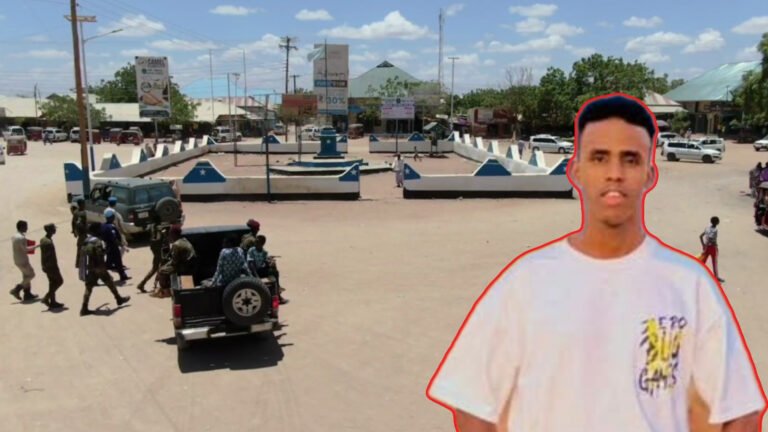
Jimc 09, May 2025 {HMC} FAAH FAAHIN Xiisad Dagaal oo ka taagan Balad Xaawo

Xujeeydii ugu horeeysay ee Sanadkaan ka xajineeysa Soomaaliya ayaa maanta ka ambabaxay Magaalada Muqdisho kuwaasi oo ku wajahan Dalka Sacuudi Carabiya si ay ugu biiraan Malaayiinta Muslimiin ee Sanadkaan gudaneysa Xajka.
Wasiiro ka tirsan Xukuumadda Soomaaliya ayaa Garoonka diyaaradaha Aadan Cadde ka sagootiyay Xujeydii ugu horreysay ee Soomaaliyeed oo soo gudan doono waajibaadka acmaasha Xajka kuwaas oo tiradooda gaareyso 431 Ruux.
Xujeeydaan inta aysan ka ambabixin Muqdisho waxaa Munaasabadda sagootin ah loogu sameeyay Garoonka Aadan Cade halkaasi oo madax ka socotay dowladda ay dardaaran iyo talooyinba lagu siiyay Xujeeydaan.
Madasha maanta lagu sagootinaayay Xujeeydaan waxaa goobjoog ka ahaa Wasiirka Awqaafta iyo Arrimaha Islaamka ee Xukuumadda Soomaaliya Sheekh Mukhtaar Robow Cali, Wasiirka Caafimaadka Dr. Cali Xaaji Aadan, Wasiirka Gaadiidka iyo Duulista Hawada Maxamed Faarax Nuux iyo masuuliyiin kale.
Wasiir Mukhtaar Rooboow ayaa Xujeeydaan kula dardaarmay inay u hogaansamaan nidaamka Xajka ee u yaala dalka Boqortooyada Sacuudi Carabiya waxaana uu u rajeeyay inuu alle ka aqbalo Acmaasha ay soo gudanayaan.
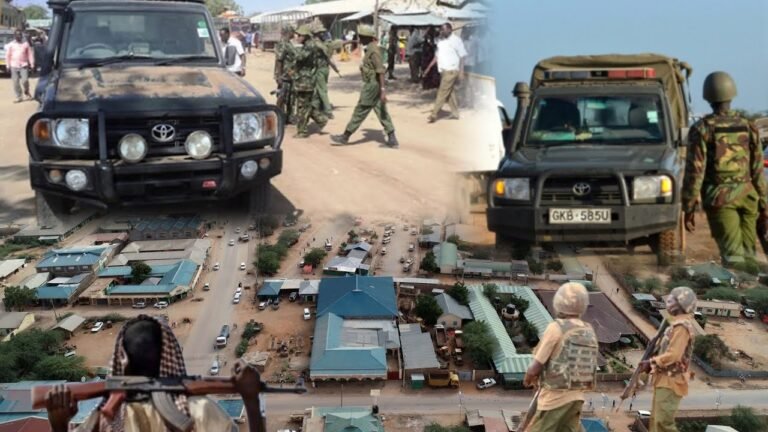
Jimc 09, May 2025 {HMC} Dilka lixda ruux ee isku qoyska ah ayaa lala xariirinayaa inuu yahay mid salka ku haayo aanoyin qabiil, maadaama maalmahii lasoo dhaafay dhulka Miyiga ah ee hoostaga Mandhera iney jireen colaad beeleed soo noqnoqotay.
Cabdulaahi Macalin Xasan oo ah walaalka la dhashay marxuumka qoyskiisa la laayay ayaa warbaahinta u sheegay in weerarka uu dhacay saqdii dhexe, kadib markii koox hubeysan ay si ula kac ah u beegsadeen guriga dadka isku qoyska ahaa ee la dilay.
“Waxay u muuqataa in si gaar ah loo bartilmaameedsaday, waayo dadka deriska ah lama taaban oo halkan qoys ayaa la laayay, waxay ahayeen qoyskaan dad masaakiìn ah oo iska xoolo dhaqato ahaa” ayuu yiri Cabdulaahi Macalin Xasan.
Kooxda hubeysneyd ee fulisay weerarkaan lagu dilay lixda ruux ayaa dilka kadib isaga baxsatay goobta, mana jrto wax war ah oo kasoo baxay dhanka laamaha amaanka iyo maamulka magaalada Mandheera oo ku aadan weerarkaan lagi laayay dadka isku qoyska ahaa.
Ugu dambeyntii weerarkan ayaa abuuray cabsi xooggan oo laga cabsi qabo in colaada ay si weyn ugu sii faafto deegaanada kale ee hoostaga magaalada Mandheere ee gobolka Waqooyi Barri Kenya.

Friday 09, May 2025 {HMC} Maryan Nur Mohamed’s family of eight has faced severe shortages of food, water, and shelter since arriving at Hilac-Wanaag camp in Garasbaley district, Mogadishu, in April.
They fled the war between Somali government forces and Al-Shabaab, joining 1,500 families forced from their homes in Middle Shabelle region over the past several weeks. Most have settled in 15 camps across Banadir, where conditions are poor.
Maryan said she and her children eat one cooked meal a day, usually donated by people already living in the camp. On many days, they go to sleep hungry.
“We all have nothing to eat. We don’t have food. We can’t find a thousand Somali shillings to buy food. We beg for food and everything else. We ran away from that war and brought our children here with whatever we could carry. We joined this camp and we are here now – that’s how it is,” she told Radio Ergo.
Maryan’s youngest child is three years old and the prolonged hunger is hard for the toddler to bear.
As there is no housing, they and other new arrivals live crammed together in an overcrowded hall in the camp not built for so many people.
“We put mats on the floor that we received from people around the camp. They also help us with a few bottles of water shared by everyone in the hall, about 100 families.
We had a good life back home, but now we are in a difficult situation. In the past, we used to work on farms and eat whatever we could find. We cooked grains and harvested vegetables.
We came to this camp to live among other people. We passed through many places as we were running from the war, so we don’t know who is dead or alive.”
Maryan is raising her children alone, as her husband was killed by Al-Shabaab in 2020 after refusing to give them livestock.
The family had a one-hectare farm in rural Ceel-Baraf where they grew millet, beans, and watermelons. She lost the farm and 60 goats, which provided the livelihood they relied on.
“We fled from the fields when the crops were about to be harvested. The goats were left behind because we couldn’t bring them to Mogadishu,” she said.
Maryan described the sudden eruption of violent conflict that forced them to flee: “The shelling started suddenly. When we could no longer bear it, we were forced to run for our lives. A local businessman helped us escape in his car.”
Another mother, Fowsiya Abukar Ali, has been unable to provide regular food and shelter for her 11 children since 7 March when they fled to Mogadishu.
They are now in Hilaac IDP camp, where they’ve been for the past month.
She told Radio Ergo: “Those who came before us only get a small amount of food. When they get nothing, they sleep hungry… The poor economy in the camp and the lack of food mean my children cry with hunger and still have nothing to eat.”
“I swear to God that I can’t find food right now as I speak to you, unless someone gives me something to eat. Otherwise, I only drink water as food. I don’t have anything else. I only depend on God. We don’t have a place to live. People can’t live together in one place. We don’t have a house, we don’t have anything to eat, not even utensils to cook with,” Fowsiya said. “We are sleeping outside and have no hope of returning home, as the fighting is still going on there.”
She walked with her children for five hours to reach Mahaday district, where relatives picked them up the next day in a car heading to Mogadishu.
She described how a farm where her relatives gathered was bombed from the air. “We decided to flee the area rather than end up dead. The plane was not visible, and the people we were looking for were hiding among others.
When the missile fell, it hit the people in the fields. It was thought to be Al-Shabaab, and that’s how the attack happened. Three of my brothers were killed,” Fowsiya said.
Her husband stayed behind to protect their farm, but it was bombed twice and burned.
“He has no money to follow us here. I have no relatives in Hamar [Mogadishu] to support me, and he can’t help. My children and I suffer from the sun during the day and the cold at night. The children can’t sleep at night because of the cold.”
Also among the hundreds affected by the conflict is Maymun Mahmoud Yusuf, who fled the Bushra Sheikh area in Adale in April with her three children. She told Ergo that life in the camp is harder than anything she has experienced before.
“The war destroyed our hut house,” she said. “I took the children without carrying anything for them. While we stood on the road, a relative put us in a car. That’s how we got to Mogadishu.”
She added, “We have no money. We came here with hardship and suffering. My children and I are very poor. We live on what people collect for us. Sometimes we don’t get it, sometimes we do, usually only once a day.”
When these families arrived in Mogadishu, they were dropped on the roadside, prompting locals to offer what little help they could.
One of the community members helping displaced families, Mohamed Aweys Mohamed, said about 1,500 families were distributed into 15 different camps. Of those, 300 went to Hilac-Wanaag camp in Garasbaley district.
“They could not afford houses, so we built a corrugated iron hall to protect them from the sun during the day,” Mohamed said.
“I gathered the neighbours and asked who could donate a kilo of rice, sugar, oil, or a blanket. Even those who could give 2,000 Somali shillings did. We gave what we collected to our brothers and sisters to help them.”
According to a report released by the UN’s coordination agency OCHA, airstrikes and direct fighting in Middle Shabelle for more than a month have affected 30,000 families, including farmers, herders, and villagers. Most have been displaced to Hiran, Banadir, and safer parts of Middle Shabelle.
Families displaced by the violence — mostly women and children — continue to arrive in camps with nothing but the clothes on their backs. So far, they have received little to no formal humanitarian assistance.