


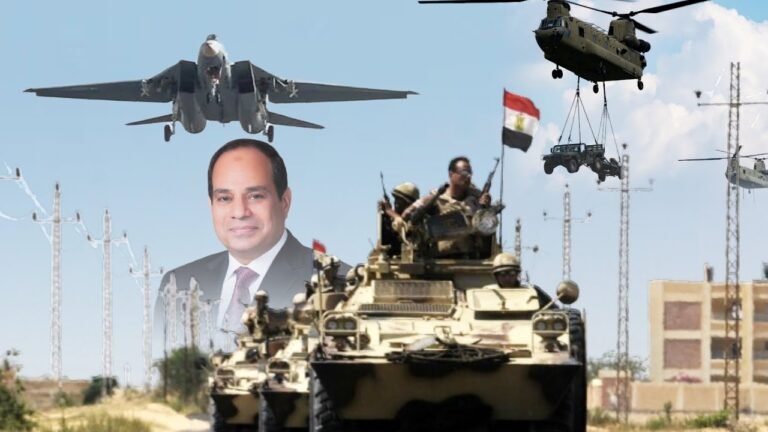
Arbaco 1, Jan 2025 {HMC} Masar oo ciidamo cirka iyo badda ah u soo direysa Soomaaliya.
{DAAWO MUQAALKA} Wararka ugu waaweyn Soomaaliya iyo Caalamka
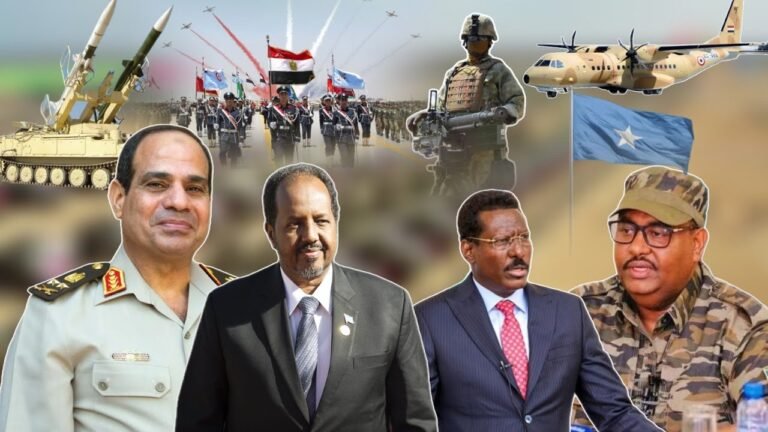
Arbaco 1, Jan 2025 {HMC} Waxaa halkan idin kugu soo gudbineynaa Wararka ugu waaweyn Soomaaliya iyo Caalamka ee Warbaahinta Hiiraanweyn.
HOOS KA DAAWO WARARKII UGU WAA WEYNAA
{DAAWO MUQAALKA} Ganacsade Caan ah oo lagu Dilay Itoobiya
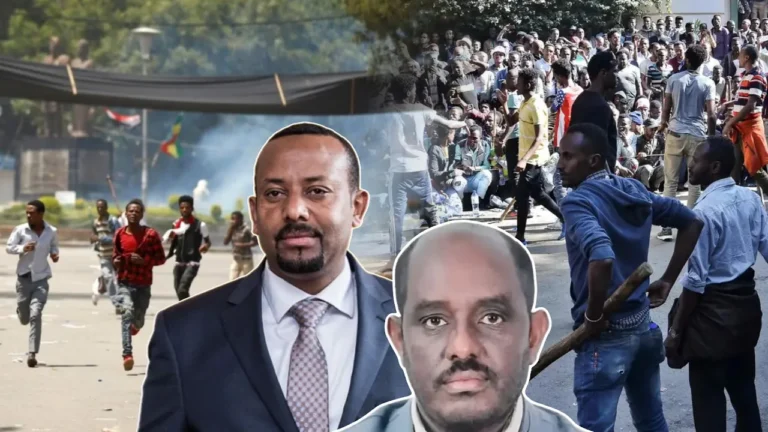
Arbaco 1, Jan 2025 {HMC} Ganacsade Caan ah oo lagu Dilay Itoobiya
HOOS KA DAAWO MUQAALKA WARBIXINTA
{DAAWO MUQAALKA} Muxuu Nabadoon Qooray ka yiri shirkii lagu soo gabagabeeyey maxaas.?
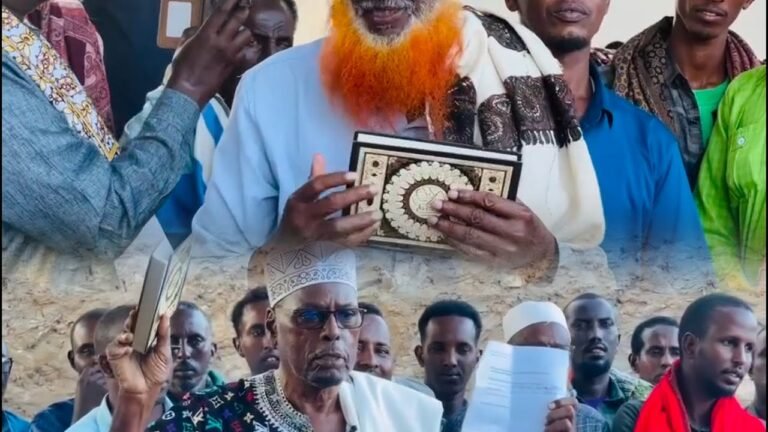
Arbaco 1, Jan 2025 {HMC} Muxuu Nabadoon Qooray ka yiri shirkii lagu soo gabagabeeyey maxaas.?
HOOS KA DAAWO MUQAALKA WARBIXINTA
Darajooyin oo la Siiyay Dagaalyahanno Ajaaniib oo Suuriya ku sugan
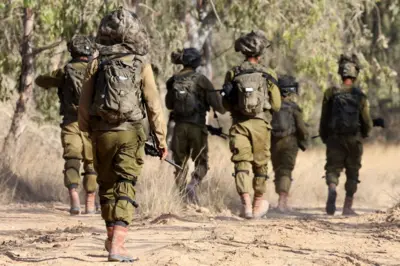
Arbaco 01, January 2025 {HMC} Dagaalyahanno badan oo ajaaniib ah ayaa qeyb ka ahaa duullaankii xilka looga tuuray Madaxweynihii Suuriya ee Bishaar Al-assad, waxa ayna xubnahan ajaaniibta ah katirsanaayeen ururka Xayaat Tahriir Al-sham.
Maamulka cusub ee Suuriya ayaa la sheegay in qaar ka mid ah dagaalyahannada Islaamiyiinta ee ajnabiga ah ay ciidanka dalkaas uga magacaabeen xilal sare, sidoo kale lagu abaalmariiyay darajooyin ciidan iyo dhalashada dalkaasi.
Ciidanka ayaa waxaa dib u qaabeyn ku sameynaya Hayat Tahrir al-Sham (HTS), kooxda Islaamiyiinta ee haatan si rasmi ah ula wareegay dalka kadib markii xukunka laga tuuray madaxweynihii hore Bashar al-Assad horraantii bishii hore.
Weli ma jirto wax xaqiijin ah oo kasoo baxday hoggaanka cusub oo tallaabadan ku aaddan, balse waxay u muuqataa mid walaac ka dhalin karta gudaha iyo dibadda Suuriya, walaacaas oo ku aaddan doorka ay dagaalyahanno ajnabi ah ka qaadan karaan mustaqbalka dalkaas.
Waxay kusoo aadeysaa xilli ay soo baxayaan warar sheegaya in hoggaamiyaha cusub ee dalkaas, Ahmed al-Sharaa, uu kulamo gaar gaar ah la yeeshay wakiillada Kurdiyiinta iyo Kirishtaanka dalkaas ku nool – waana labada bulsho ee walaaca ugu weyn ka qaba ajandaha maamulka cusub.
Somali woman who nearly died on migrant boat says she would do it all again.
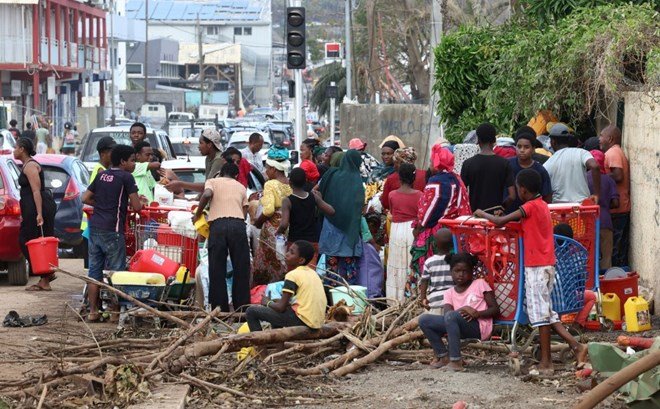
Wednesday 1,Jan,2025 {HMC} Plagued by decades of political unrest and extreme weather events more and more Somalis are seeking to emigrate. Many of them hope to journey to the French Overseas Territory of Mayotte in the Indian Ocean to escape from poverty and persecution. French authorities estimate that there are over 100,000 migrants living in Mayotte now.
With a civil war dating back to the 1990s and relentless extreme weather events, Somalis are increasingly embarking on dangerous migrations.
In 2021, the International Organization for Migration (IOM) estimated two million Somalis had left their homeland in search of a better life elsewhere; however, this figure is likely to be higher as climate disasters and extremist violence continue to displace an unknown number of people across the country.
Drawn by the hope of being granted asylum and escaping from poverty and instability, more and more Somali nationals embark on the Mayotte route.
Earlier in the year, French authorities estimated over 100,000 migrants to live on the small island in total, though it is unclear how many of them came from Somalia.
Since the island was devastated by Cyclone Chido earlier in December, it may be long before authorities establish how many migrants remain there, and what their nationalities are, as many of them are feared to have died in the storm.
The woman who would do it all again
Idil Abdullahi Goley is just one of many who have sought to reach the island of Mayotte, which is considered part of the European Union, as it is administered by France.
The 28-year-old mother of three borrowed money from relatives to pursue a better life in Mayotte, hoping to repay them once she succeeded.
Her journey to the EU began with a dream and a wad of borrowed cash paid out to smugglers.
Along the way, she would see some 25 people dying right in front of her — some in her own arms. Goley herself only narrowly escaped death.
But in the end, Goley would find herself back in Mogadishu, the starting point of her journey — without ever reaching the French island.
She came back home plagued with nightmares; still, she says it is a journey that she would risk taking again, as she has started planning another journey on the same route.
Left to die at sea
Speaking to the Associated Press, Goley re-traced her harrowing journey which involved a plane journey from the Somali capital of Mogadishu to the Kenyan capital, Nairobi, and then hopping on a bus to reach the port city of Mombasa.
After this, she set sail on a series of fishing boats to travel about 1,000 kilometers to the island of Mayotte in the Mozambique Channel of the Western Indian Ocean — the poorest territory in both France and the European Union.
After three days at sea, Goley and around 70 other people were moved to smaller boats whose engines however were no match for the strong ocean currents.
The smugglers left, promising to return to fix the problem. But after a few days, it became clear that they had abandoned them without any food or water.
The passengers had to survive by drinking rainwater and catching fish in the choppy waves of the Indian Ocean.
Rescued at last – for a fee
Two of Goley’s friends who were traveling with her later died on board. She tried to save the life of a baby and their mother but they also died right in front of her.
The bodies had to be thrown out into the sea to prevent the, from decomposing on board.
Goley’s ordeal ended when a fishing boat rescued them and transported them to Nosy Be in northern Madagascar — for a fee of $100. By then there were only 48 survivors left.
Then early December, Goley was repatriated back to Somalia.
If she had made to the island, she could have been one of thousands killed by Cyclone Chido earlier in December.
But none of these dangers seem to deter Goley, whose mind is set on making it abroad.
Somalis in Europe
According to data from the European Union Agency for Asylum (EUAA), Somalis only ranked as the fourteenth largest group seeking international protection in the EU+ (27 European Union Member States plus Norway and Switzerland), with monthly applications ranging from 1,200 to 1,700 between July 2021 and December 2022.
During this time, EU+ countries issued approximately 23,300 first-instance decisions, granting refugee status or subsidiary protection in approximately 57 percent of all cases.
However, the number of applications is expected to have risen, as the numbers from 2021 and 2022 were also impacted by the effects of COVID-19, including a dip in migrant journeys.
Why abductions in Kenya pose a threat to national security.
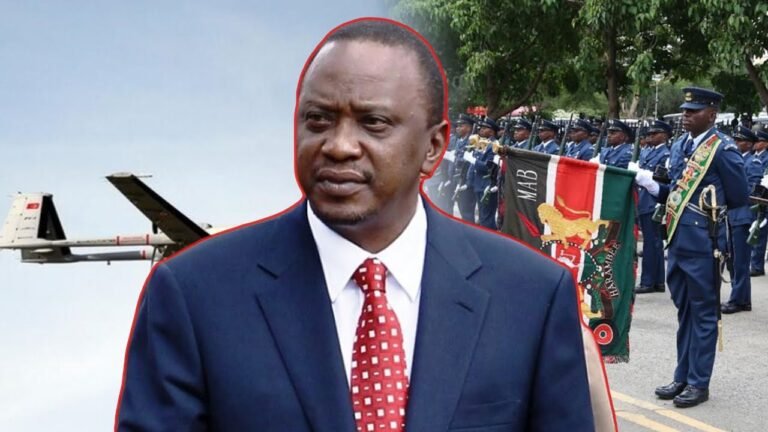
Wednesday 1,Jan,2025 {HMC} Kenyan youth demanding a stronger economy and a brighter future have been clashing with government forces in protests since June.
The violence on the streets of Nairobi and other parts of the country has largely abated in recent months following a series of symbolic initiatives by President William Ruto. But the story of the youth protesters is far from over:
What many did not anticipate is that, months later, protesters would find themselves still fighting for their own freedom and security — perhaps more so than before.
At least 82 Kenyans have gone missingsince the Gen-Z protests began in June, with six people reportedly abducted in the past two weeks.
Strategic pattern behind abductions
The people disappeared are believed to be in the custody of security agents, although the police have denied any involvement in the abductions.
Security analyst and former national security agent George Musamali told DW that politically motivated abductions are far from a new phenomenon in the region.
“About a month ago, we witnessed the abduction of Ugandan politician Kizza Besigye, who was deported back to Uganda [from Kenya]. Similarly, there were cases of people from Turkey who were abducted in Kenya and sent back to Turkey. This is a worrying trend that demands answers,” he said.
The disappearances seem to display a strategic pattern, targeting individuals who have been critical of the government, particularly those who have voiced their opposition on social media platforms like X.
“Many of these individuals were key figures in the protests of June,” Musamali added.
Political analyst and activist Jim India told DW that, despite the denials of involvement by the police and government, credible sources have suggested that law enforcement officials played a role in the detentions.
“Historically, especially during protests, detainees have been released by the police, which creates a clear connection between the abductions and law enforcement,” India said.
More protests, more arrests
On Monday, Kenyans organized a protest demanding the release of the six most recently abducted individuals: Gideon Kibet, Bernard Kavuli, Peter Muteti, Billy Mwangi, Rony Kiplangat and Steven Kavingo.
The police responded to the rally by firing tear gas at demonstrators and arresting several who were due to appear in court the next morning.
India said that, while the arraignment over the newest arrests were being heard, the case of the missing six individuals was being heard in another courtroom after the Law Society of Kenya had filed an application demanding that the police either produce the missing individuals or have the inspector general of police appear in court.
Neither the inspector general nor the missing individuals were presented in court, as their distressed parents were seen pleading for answers about their whereabouts.
In a separate courtroom, 14 people detained during the protest were charged with unlawful assembly and incitement to violence.
The director of public prosecutions requested to have the group detained for 14 more days and to be granted access their mobile phones and social media accounts for investigation purposes.
The court rejected this request, releasing the detainees on bail.
Echoes from the past
India regards the release of the 14 protesters as a significant victory, as it demonstrates the fact that the courts can still be trusted to uphold the law.
He said this could encourage further protests until the missing six are released.
Musamali, drawing on his experience in national security, said the mystery surrounding the current situation mirrors past practices, in which security officials would be “handpicked” and given instructions directly from the government, bypassing the police command structures.
“In those years, we had the police commission and a group called the ‘Special Branch,’ which operated outside the police command,” Musamali said. “We are seeing a recurrence of this, where individuals may be receiving instructions from outside the police command, which is why the inspector general of police cannot provide answers.”
There is meanwhile growing concern among Kenyans that these abductions are not just a violation of political rights but also pose a serious security threat in the longterm in themselves.
Implications for national security
The main concern is that the current climate, which by all appearances is marked by heavy-handed responses to protests, abductions and a lack of accountability by authorities, could erode trust in government institutions.
“This is very risky in terms of national security. It divides people politically, which can lead to the same kind of violence we saw in the 2007/2008 post-election clashes,” India said.
“This could create a situation where the police and citizens become increasingly hostile toward each other, potentially leading to a ‘ganglike’ state,” he added. “Citizens may feel compelled to defend themselves against authority figures they no longer trust, resulting in lawlessness.”
“When people start taking orders from external sources instead of a centralized command, it poses a danger,” Musamali said.
India said that when the government itself is seen as the primary culprit working against its own citizens, those citizens will lose faith in it.
He called on the government to uphold the rule of law, which he believes is the only way to restore stability and avoid further escalation.
In the meantime, the situation in Kenya remains precarious, and many fear it could spiral deeper into a state of constant unrest.
Egypt sending troops by air and sea for new African Union force in Somalia.
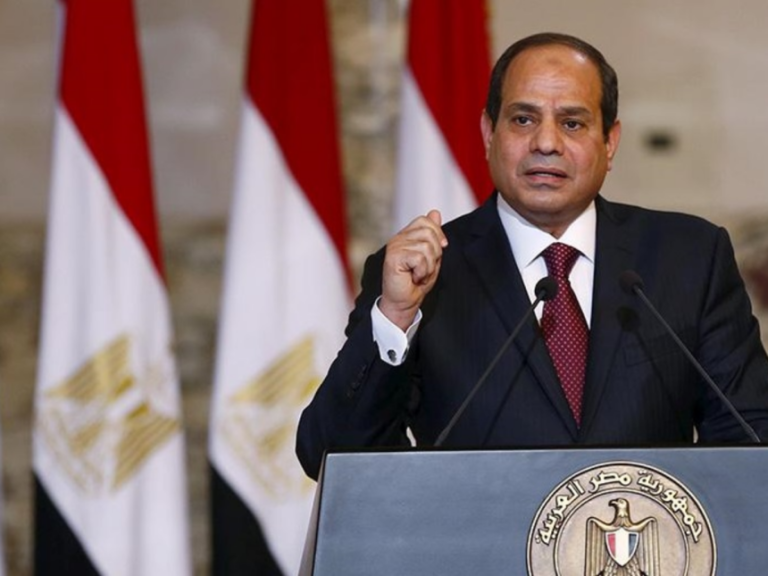
Wednesday 1,Jan,2025 {HMC} Egypt is beefing up its military presence in Somalia to take part in a new African Union mission to fight the terrorist group Al Shabab, ferrying troops there by sea and air in what sources and analysts say is a significant step in Cairo’s efforts to broaden its footprint in the strategic Horn of Africa region.
The move, they said, is also a milestone in Egypt’s decade-long tussle with Somalia’s neighbour Ethiopia over a large Nile dam that Addis Ababa is building and which Cairo views as an existential threat to its water security.
At Somalia’s request, the Egyptian troops are replacing the Ethiopian contingent in an AU mission that is being replaced, giving Cairo a significant military presence across the border from Ethiopia that could potentially pressure Addis Ababa to show flexibility over the water dispute.
Egypt and Somalia signed a military co-operation agreement this year. Under that accord, Egypt deployed several thousand troops who are serving as military advisers to Somalia’s security forces and providing security for the country’s top leaders, their families and key state facilities.
The new AU mission was agreed by the UN Security Council on Friday in a resolution adopted by 14 of its 15 member states. The United States abstained due to reservations about funding.
The foreign ministers of Egypt and Somalia confirmed Egypt’s role in the mission during talks in Cairo last week, according to the Egyptian Foreign Ministry.
“The participation of Egypt is a reflection of its genuine interest in African issues and its desire to maintain a positive presence in the continent’s trouble spots,” said Amany Al Taweel, an Egyptian expert on African affairs.
“We succeeded in this extremely important step at a time when everyone else is rushing to gain a foothold in Africa. That Ethiopia will not take part in the mission is another good aspect of the deployment because Addis Ababa has been a part of tensions in Somalia and because it failed to contain Al Shabab,” she said.
The new force – formally called the African Union Support and Stabilisation Mission in Somalia (Aussom) – will replace the African Union Transition Mission in Somalia (Atmis), whose mandate ended on Tuesday. Aussom is scheduled to be deployed in January.
Ethiopia, whose relations with Somalia have been tense, is a member of Atmis. Somalia wants it excluded from Aussom on the grounds that its contingent has not effectively reduced the threat posed by Al Shabab.
The exact size of Aussom and the Egyptian contingent are yet to be formally announced, although Somali officials say 11,000 men have already been pledged. The sources told The National that the Egyptian contingent would make up about a 25 per cent of Aussom.
It is not clear whether the Egyptian troops already in Somalia will be part of the new mission or will operate separately while those being sent by Cairo at present will alone serve in the AU mission.
The sources said last week’s UN Security Council resolution was received with relief in Cairo, ending a period of concern that Turkey’s announcement of a mediation bid between Somalia and Ethiopia in December would change Mogadishu’s mind about replacing the Ethiopians with the Egyptians.
Tensions between Somalia and landlocked Ethiopia flared nearly a year ago after Addis Ababa signed a maritime deal with the breakaway region of Somaliland to gain access to the Red Sea.
Somalia and Egypt, both members of the Cairo-based Arab League, began forging closer relations in the wake of that deal, which Mogadishu saw as a breach of its sovereignty.
No concrete steps are known to have been taken to resolve the Somali-Ethiopian dispute since the Turkish mediation was announced, according to the sources.
“There is a silent rivalry between Egypt and Turkey in the Horn of Africa and elsewhere in Africa,” said one of the sources. “That rivalry is separate from the two nations’ co-operation in other fields,” added the source, alluding to the recent thaw between Cairo and Ankara after a decade of tension.
The announcement of Turkey’s mediation prompted Cairo to hold urgent consultations with the Mogadishu government, seeking clarifications on the agreement, said the sources. A visit by the Somali Foreign Minister to Cairo in December was part of these talks, they added.
In another example of the Cairo-Ankara rivalry in the region, Nato member Turkey has offered to mediate between Sudan’s army and a rival paramilitary to end their 20-month-old war in the Afro-Arab nation.
Sudanese army chief Gen Abdel Fattah Al Burhan, who has enjoyed Cairo’s support in his war against the paramilitary Rapid Support Forces, said he welcomed Ankara’s mediation.
Egypt and Turkey also back opposing sides in Libya, Egypt’s western neighbour rocked by violence and divisions for more than a decade.
However, the Egyptian deployment in Somalia places Cairo at a clear advantage and bolsters its growing presence in the Horn of Africa, according to the sources.
“The Ethiopian troops must respect Somalia’s wish or risk becoming an occupation force,” said Salah Halimah, a former career diplomat from Egypt who is the new deputy chairman of the Egyptian Council for African Affairs, a Cairo-based think tank.
“Ethiopia must change its approach to its neighbours and improve ties to Somalia. That [the deployment of the new mission], in turn, could result in a change in its attitude towards Nile downstream nations Egypt and Sudan regarding their national water security,” he said.
Egypt already has military bases in Horn of Africa nations Eritrea and Djibouti and has in recent years struck military co-operation accords with, besides Somalia, Nile basin states Kenya, Uganda and the Democratic Republic of Congo.
Its military presence in Somalia, which now enjoys international legitimacy following Friday’s UN Security Council resolution, comes as foreign powers are vying to gain a foothold along Africa’s Red Sea coast with tension flaring in the region, caused by Sudan’s civil war, terrorism, tribal unrest in Ethiopia and the impact of climate change on economies there.
One of the world’s driest nations, Egypt depends on the Nile for nearly all its freshwater needs. It has repeatedly stated that its share of the Nile water is a national security issue and that Ethiopia’s dam constitutes an existential threat to its 107 million people.
More than a decade of negotiations with Ethiopia have failed to produce an agreement. Cairo wants a legally binding deal on running and filling the dam. Ethiopia contends that the dam does not pose a threat to the water security of Egypt and insists it is vital to its development.
“The River Nile, specifically, is an issue that’s associated with the life and survival of Egyptians,” Egyptian President Abdel Fattah El Sisi recently said. “It’s the chief source of life in our nation. Egypt is the gift of the glorious river.”
Galmudug President condemns deadly clan conflicts, urges immediate resolution.

Wednesday 1,Jan,2025 {HMC} Galmudug Regional State President Ahmed Abdi Kariye Qoor Qoor has denounced the ongoing deadly clan conflicts in parts of Somalia, accusing al-Shabab militants and similar groups of fueling the violence.
Speaking on Tuesday, President Qoor Qoor called for an immediate cessation of hostilities and urged elders and intellectuals to lead efforts in resolving the disputes. “I believe the ongoing conflicts between some Somali clans are being orchestrated by terrorists and those who align with them,” he said.
He emphasized that individuals who violated previous peace agreements and instigated the current conflicts would be held accountable. “The ongoing wars must be stopped. I urge elders and intellectuals to resolve these recurring conflicts causing immense bloodshed,” he stated.
Regions in Galmudug are among several areas across Somalia grappling with clan disputes, prompting widespread condemnation from traditional elders, religious leaders, and politicians who have joined calls for an end to the violence.
Somali Interior Minister confirms Puntland’s return to electoral negotiations.
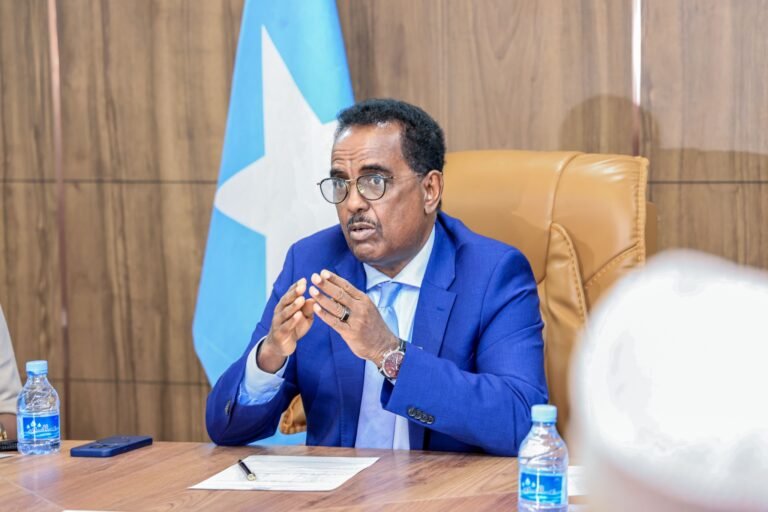
Wednesday 1,Jan,2025 {HMC} Somali Interior Minister Ali Yusuf Hosh announced Tuesday that Puntland will rejoin negotiations for the country’s electoral process amid a political standoff between the federal government and Puntland leaders.
Speaking in Mogadishu, Minister Hosh affirmed the Somali government’s commitment to conducting one-person, one-vote elections in peaceful regions. He stressed the importance of resolving political disputes ahead of the elections to ensure broad participation and national unity.
“Puntland will return and participate in the electoral process,” said Hosh, who hails from Puntland. He attributed Puntland’s current absence to grievances held by its leadership. “Puntland is part of Somalia and cannot remain absent. Its people will not separate or isolate themselves because of a leader dissatisfied over a temporary loss of influence. They will come to the table.”
The minister reiterated the government’s stance against returning to indirect elections, emphasizing that the framework and procedures for one-person, one-vote elections are already in place. “Personal interests will not constrain Somalia,” Hosh said, calling the initiative a pivotal step toward democratization.
The federal government’s push for direct elections represents a significant shift in Somalia’s political landscape. However, its success hinges on resolving ongoing disputes, ensuring inclusivity, and addressing security challenges nationwide.