Home Blog Page 1570

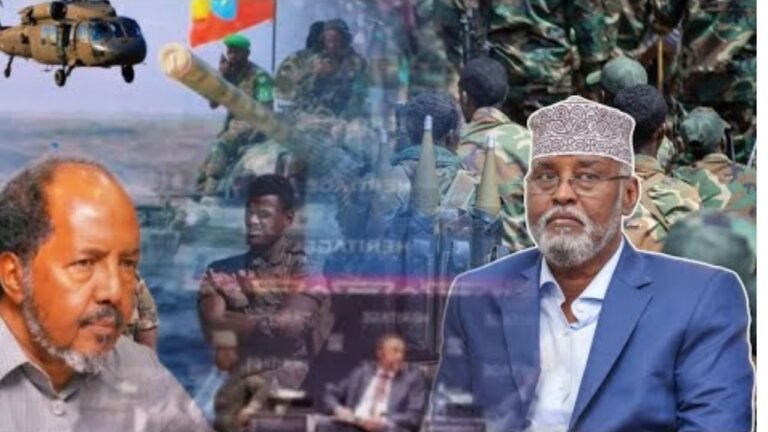
Dowladda Federaalka Soomaaliya oo codsi u dirtay Interpol si loogusoo gacan geliyo Axmed Madoobe

Khamiis,, 28,Nov 2024 (HMC) – Dowladda Federaalka Soomaaliya ayaa u dirtay hay’adda Interpol codsi ku saabsan soo saarista digniin caalami ah (Red Notice) oo ka dhan ah Madaxweynaha Jubaland, Axmed Maxamed Islaam (Axmed Madoobe).

Dowladda Soomaaliya ayaa ku eedeysay Axmed Madoobe khayaano qaran, la shaqeynta dowlado shisheeye, iyo carqaladeynta midnimada iyo wadajirka Soomaaliya.

Red Notice-ka oo ay Interpol soo saarto waa codsi caalami ah oo ku saabsan qabashada qof loo haysto dacwad, balse ma ahan amar xabsi ah oo toos ah. Dalabka Dowladda Federaalka Soomaaliya ayaa ka dhigan tallaabo siyaasadeed oo ku qotonta in la helo taageero caalami ah si Axmed Madoobe loo horgeeyo cadaaladda.

“Codsiga digniinta caalamiga ah wuxuu Dowladda Federaalka Soomaaliya uga dhigan yahay inay Axmed Madoobe ku calaamadaysay dambiile caalami ah, kaasoo lagu qaban karo dal kasta oo xubno ka ah Interpol,” ayuu yiri Aman Obsiye, garyaqaan fadhigiisu yahay gobolka Minnesota ee Mareykanka.

Dowladda Federaalka ayaa si cad ugu eedeysay Axmed Madoobe inuu la shaqeeyay hay’ado shisheeye oo ujeedadoodu tahay carqaladeynta dadaallada midnimada Soomaaliya iyo inuu si ula kac ah u faafiyay xog sir ah oo khatar ku ah amniga qaranka.

Mas’uuliyiinta Federaalka ayaa ku doodaya in dhaqanka Axmed Madoobe uu wiiqayo dadaallada lagu hirgelinayo nidaamka doorashada hal qof hal cod ah oo Jubaland si weyn uga soo horjeeday.

Maanta oo Khamiis ah, Axmed Madoobe iyo maamulkiisa weli wax jawaab ah kama aysan bixin codsiga caalamiga ah ee dowladda. Si kastaba ha ahaatee, ilo ku dhow maamulka Jubbaland ayaa ku tilmaamay eedeymaha mid siyaasadeysan oo loogu talagalay in lagu wiiqo madax-bannaanida dowlad goboleedyada.

Somalia, Serbia expand budding partnership with security and development agreement

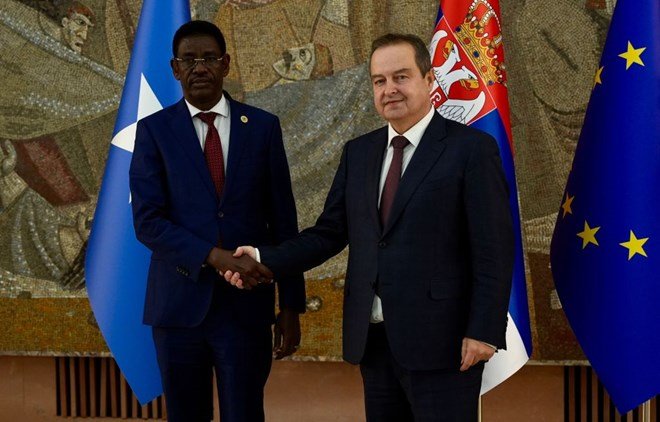
Somalia and Serbia have signed an agreement to deepen their security cooperation.

The pact, inked by Somalia’s Minister of Internal Security Abdullahi Sheikh Ismail Fartaag and Serbia’s Deputy Prime Minister and Minister of Internal Affairs Ivica Dačić in Belgrade on Monday, focuses on police training and institutional development.

“This agreement underscores the depth of the partnership between Somalia and Serbia, which has endured for decades,” Minister Fartaag said. “It will further cement the friendship and shared commitment to progress.”

Serbia’s Ivica Dačić described the agreement as a “historic milestone,” reaffirming his country’s dedication to assisting Somalia in rebuilding its national security institutions. “We are proud to play a pivotal role in training Somalia’s security forces and contributing to the development of its governance structures,” he said.
Serbia has played a pivotal role in enhancing Somalia’s security capabilities. Over the past year, Somali security officers, including members of the Criminal Investigation Department (CID), have undergone intensive training in Serbia. These programs, held at facilities like the Marshal Josip Broz Tito Special Forces Training School, focus on law enforcement, intelligence gathering, and counter-terrorism strategies.

Beyond security, the partnership extends to education and aviation. Serbia’s “World in Serbia” scholarship program provides full scholarships for Somali students, covering tuition, accommodation, and stipends. These opportunities aim to rebuild Somalia’s human capital by training professionals in critical fields.

Serbia is addressing a long-standing skills gap in aviation by training Somali pilots at Linx Aviation School in Belgrade. Students will receive internationally recognized certifications aligned with European Aviation Safety Agency (EASA) standards, preparing them for roles in Somalia’s rebuilding aviation sector.

These agreements follow high-level discussions between Somali Prime Minister Hamza Abdi Barre and Serbian Presidential Envoy Vladimir Orlié earlier this year.

Somali lawmaker under investigation for assaulting parliament guard during heated debate

Thursday 28,Nov, 2024 {HMC} A Somali lawmaker is under investigation following an incident that left a parliamentary guard injured during a heated session at the national parliament on Wednesday.

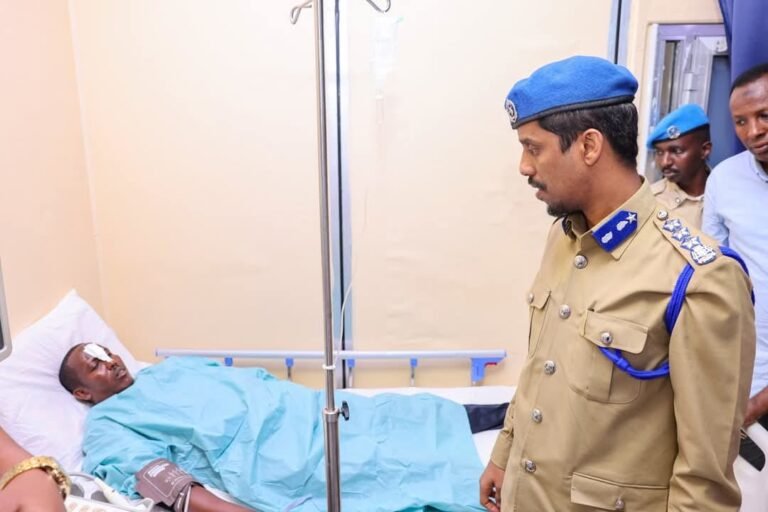
The altercation occurred as the guard attempted to mediate a dispute among lawmakers debating the National Electoral Commission. According to Colonel Abdifitah Adan Hassan, spokesperson for the Somali Police Force, one lawmaker struck the guard on the nose. The injured officer was treated at Medina Hospital and is now in stable condition.

“The unfortunate incident underscores the challenges of maintaining security in such heated debates,” Colonel Abdifitah said. “Our officers are committed to ensuring order at the parliamentary premises, often under intense pressure.”

The police have registered the lawmaker as a suspect, and an investigation is underway. Authorities have emphasized the importance of decorum within parliament, stressing that such incidents hinder effective governance.

The incident reflects mounting tensions within the legislature as Somalia prepares for critical electoral milestones. Lawmakers are frequently locked in contentious debates, leaving security personnel tasked with maintaining order.

The Somali Police Commissioner visited the officer on Wednesday, offering support and praising his professionalism during the incident.

The police have reiterated their call for patience and restraint among officers and lawmakers alike, warning that any actions undermining security protocols will not be tolerated.

The investigation remains ongoing, and authorities are expected to release additional findings in the coming days.

New leader, old wounds: Somaliland’s Irro confronts deep divisions and global indifference

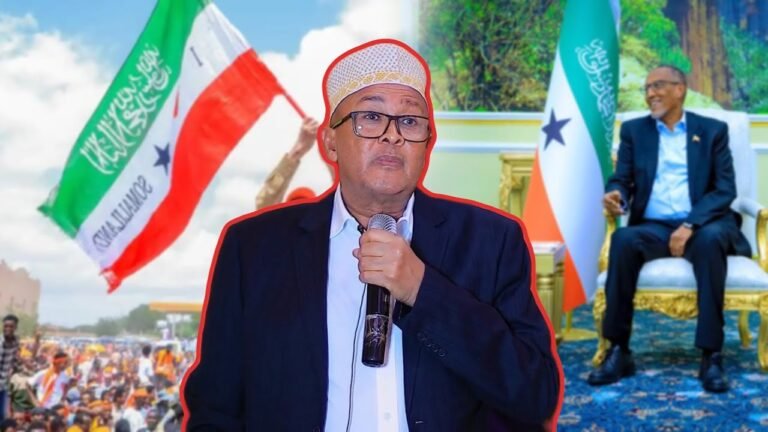
Thursday 28,Nov, 2024 {HMC}  In Somaliland’s capital, Hargeisa, the streets are quieter now. The celebrations that followed Abdirahman Mohamed Abdullahi “Irro’s” landslide election victory on November 13 have faded, leaving a nation to face its realities. Irro’s 64% triumph ended 14 years of Kulmiye party rule and ushered in a new chapter for the unrecognized state, long hailed as a beacon of democracy in the Horn of Africa.

For Somaliland, a self-declared republic that has maintained peace and relative stability for over three decades, Irro’s victory is both a moment of pride and a reminder of the challenges ahead. The 69-year-old president inherits a fractured nation struggling with clan-based divisions, economic stagnation, and the daunting pursuit of international recognition.

The Las Anod conflict remains a festering wound. The separatist SSC-Khatumo forces, citing decades of marginalization, seized territory in eastern Somaliland during Muse Bihi Abdi’s presidency.

Under President Muse Bihi Abdi, Somaliland’s military launched operations to reclaim the area. However, these campaigns were largely unsuccessful, resulting in significant territorial losses and the displacement of over 200,000 civilians. The conflict has strained Somaliland’s resources and highlighted deep-seated grievances among the Dhulbahante community.

Irro’s Wadani party has promised to heal these divisions by prioritizing equitable governance. Many believe his approach, centred on inclusion and dialogue, could ease tensions in marginalized regions.

“This administration will need to rebuild trust and ensure that no region or clan feels left behind,” a Wadani spokesperson said.

Somaliland’s economy is another critical challenge. Youth unemployment has soared to over 70%, and foreign investment remains elusive due to the lack of international recognition. This high unemployment has led to increased migration among young people seeking better opportunities abroad, often embarking on the perilous journey of “tahriib.”

Irro’s administration must also contend with the controversial Memorandum of Understanding signed by his predecessor with Ethiopia. The agreement, finalized on January 1, 2024, grants Ethiopia a 50-year lease on a 20-kilometer stretch of Somaliland’s coastline near the Berbera port, providing Ethiopia with direct access to the Red Sea in exchange for recognition of Somaliland’s sovereignty.

The MoU’s economic advantages for Somaliland are ambiguous. While it offers Ethiopia a strategic maritime outlet, the specific benefits for Somaliland, such as potential lease or infrastructure development revenue, have not been clearly articulated. The lack of transparency has led to domestic skepticism regarding the deal’s value to Somaliland’s economy.

Regionally, the agreement has significantly strained relations with Somalia. The federal government in Mogadishu views the MoU as a violation of Somalia’s sovereignty and territorial integrity, given that Somaliland’s independence is not internationally recognized. In response, Somalia’s President Hassan Sheikh Mohamud condemned the deal, stating, “We will not stand idly by and watch our sovereignty being compromised.”

The diplomatic fallout extends beyond Somalia. Egypt, which has its own geopolitical tensions with Ethiopia, particularly over the Grand Ethiopian Renaissance Dam, has also expressed opposition to the MoU. Reports indicate that Egypt has increased military support to Somalia, including the delivery of arms, potentially as a countermeasure to Ethiopia’s expanding influence in the region.

Securing international recognition is Somaliland’s longest-running aspiration, and Irro’s presidency is expected to double down on this effort. Previous administrations focused heavily on courting Western nations, including the United States and the United Kingdom, with limited success. Irro’s Wadani party, however, has signalled a shift toward engaging African and Global South states.

Securing international recognition is Somaliland’s longest-running aspiration, and Irro’s presidency is expected to double down on this effort. Previous administrations focused heavily on courting Western nations, including the United States and the United Kingdom, with limited success. Irro’s Wadani party, however, has signalled a shift toward engaging African and Global South states.

The return of Donald Trump to the U.S. presidency has reignited optimism in Somaliland’s leadership. During his previous term, Trump’s administration showed interest in Somaliland’s strategic position and democratic governance within the Horn of Africa. Analysts believe President Abdirahman Mohamed Abdullahi “Irro” could capitalize on this renewed focus to advance Somaliland’s quest for international recognition. Former UK Defense Secretary Gavin Williamson has reportedly lobbied Trump’s team to consider formally recognizing Somaliland’s independence, highlighting its stability and democratic values in a volatile region.

However, opposition from Mogadishu remains a major obstacle. Somalia, which claims Somaliland as part of its territory, continues to block recognition efforts, making diplomatic navigation a delicate balancing act for Irro’s administration. The African Union (AU) and the Arab League have also refrained from recognizing Somaliland, partly due to Somalia’s objections and concerns about setting a precedent for other secessionist movements across the continent.

President Abdirahman Irro’s administration faces high expectations. Delivering on promises of inclusivity, economic revitalization, and diplomatic progress will determine whether Somaliland can consolidate its gains or remain mired in unresolved challenges.

Source Hiiraan online

Somalia requests Interpol Red Notice for Jubaland leader Ahmed Madobe.

Thursday 28,Nov, 2024 {HMC} Somalia’s federal government has reportedly issued an Interpol Red Notice request for the arrest of Jubaland President Ahmed Mohamed Islam, known as “Madobe,” escalating a political standoff with the Federal Member State. The Banadir Regional Court in Mogadishu, which authorized the request on Wednesday, accuses Madobe of treason, collusion with foreign governments, and undermining Somalia’s unity.

The charges mark the latest salvo in a bitter conflict between the federal government and Jubaland’s semi-autonomous administration, a rift which began with Madobe’s withdrawal from the government consultations last month now threatens to derail Somalia’s fragile state-building efforts.

A Red Notice serves as a request to international law enforcement to locate and provisionally arrest a wanted individual pending extradition. It is not an international arrest warrant and depends on member states’ cooperation. Somalia’s request for Interpol’s assistance signals its intent to seek international backing in holding Madobe accountable.

The issuance of an Interpol Red Notice against Ahmed Madobe carries consequential implications for his political career and personal mobility. While the notice itself is not an international arrest warrant, it can severely restrict Madobe’s ability to travel freely.

“By submitting a Red Notice request, Somalia’s federal government has effectively labelled Ahmed Madobe an international criminal, requiring his arrest in any cooperating Interpol member state,” said Aman Obsiye, a prosecutor based in Minnesota.

The notice limits his capacity to engage in diplomatic or political activities outside Jubaland, effectively isolating him from international allies or regional forums that could bolster his position against Mogadishu. The stigma of the Red Notice also risks damaging his credibility on the global stage, complicating efforts to present himself as a legitimate and stabilizing leader in a region plagued by conflict and Al-Shabaab insurgency.

Somalia’s federal government alleges that Madobe conspired with foreign entities to destabilize Somalia and shared classified information in violation of national security laws. Somali officials argue that his actions jeopardize the federal government’s efforts to implement a “one person, one vote” electoral system, which Jubaland has staunchly resisted.

As of Thursday morning, neither Ahmed Madobe nor his administration has publicly commented on the Interpol Red Notice or the arrest warrant issued against him.

Sources within Jubaland’s administration have dismissed the charges as politically motivated, accusing the federal government of using judicial processes to weaken regional autonomy.

In a retaliatory move, Jubaland’s First Instance Court issued an arrest warrant for Somali President Hassan Sheikh Mohamud, accusing him of treason and inciting rebellion. The tit-for-tat legal actions highlight the deepening mistrust between Mogadishu and Kismayo, Jubaland’s capital.

Legal experts have described these parallel warrants as unprecedented in Somalia’s political history.

Ahmed Madobe has been a central figure in Somali politics since 2012, when he assumed leadership of Jubaland after helping to liberate Kismayo from Al-Shabaab militants. While credited with stabilizing parts of the region, Al-Shabaab still controls large swaths of territory in Lower and Middle Juba. Allegations of nepotism and clan favouritism have also marred his tenure.

Madobe’s contentious re-election earlier this week—his third term—has fueled federal claims that Jubaland is obstructing Somalia’s constitutional reforms.

The conflict has spilled into military deployments. Federal forces, including elite Haram’ad and Gorgor units trained by Turkey, have mobilized to strategic locations in Jubaland, notably Ras Kamboni near the Kenyan border. Jubaland has responded by reinforcing its own troops, raising fears of a broader confrontation. In a surprising move, over 80 soldiers from Jubaland’s regional forces have joined the federal military operation in Ras Kamboni, a key area vacated by the African Union Transition Mission in Somalia (ATMIS).

The deployment coincides with the withdrawal of the African Union Transition Mission in Somalia (ATMIS), creating a security vacuum in regions previously held by Kenyan troops. Analysts warn that Al-Shabaab militants could exploit the disunity to reclaim territory.

Source Hiiraan online

{DHAGEYSO} Warka Subaxnimo ee Warbaahinta Hiiraanweyn {28.11.2024}

Khamiis 28,Nov 2024 {HMC} Dhageystayaal halkan waxa aan idiin kugu soo gudbi neynaa Warka subaxnimo ee Warbaahinta Hiiraanweyn

Warka waxaa soo jeedinayo ::Abdirahman Macalin Muse

Farsamadii ::Mohamed Baryare Haamud

HOOS KA DHAGEYSO WARKA SUBAXNIMO

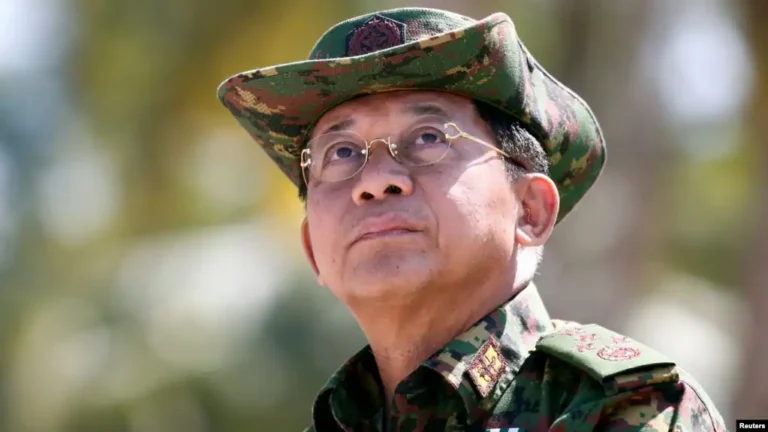
Dacwad-oogaha ICC oo Codsaday in lasoo xiro Hogaamiyaha Myanmar

Khamiis, 28 Nov-2024 {HMC} Madaxa dacwad oogaha Maxkamada Caalamiga ah ee Dambiyada ayaa Arbacadi ka codsaday garsoorayaasha, in ay jaraan waraan lagu soo xiro hogaamiyaha taliska militariga Myanmar, kaas oo wajahaya danbiyo ka dhan ah Muslimiinta laga tirada badan yahay ee Rohinga.

Sarreeye Guuto Min Aung Hlaing, oo xukunka awood ugala wareegay hogaamiyaha la doortay ee Aung San Suu Kyi sannadki 2021, ayaa lagu eedeeyay dambiyo ka dhan ah bini’aadantinimada oo lagu dhibaateeyay qowmiyadda Rohingaha Barma.

Ku dhawaad hal milyan oo qof ayaa lagu qasbay in ay galan dalka ay dariska la ah Myanmar ee Bangaladesh si ay uga baxsadaan olole isir-sifeyn ahaa oo isugu jiray kufsi wadareed, dil iyo dab la qabadsiiyay guryaha.

Isagoo dib uga soo laabtay booqasho uu ku tagay xero qaxooti oo ku taal Bangladesh, ayuu dacwad oogaha ugu sareeya Maxkamadda ICC, Karim Khan uu sheegay, in uu dhawaan soo saari doono codsiyo kale oo uu maxkamadda uga dalbanayo waaranno lagu soo xirayo saraakiil kale oo ka tirsan millatariga Myanmar.

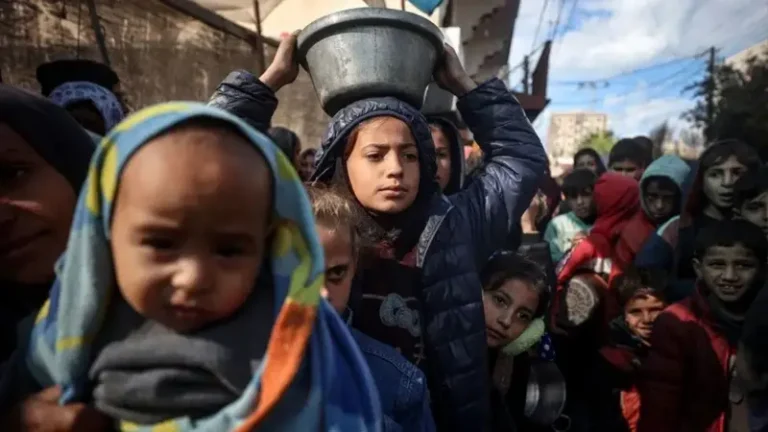
Maraykanka ayaa si degdeg ah u bilaabaya dhaqaajinta xabbad joojin cusub oo Gaza ah

Khamiis, 28 Nov-2024 {HMC} Madaxweyne Joe Biden ayaa sheegay in Maraykanku uu mar u uku rixi doono quwadaha gobolka in xabbad joojin laga sameeyo Gaza, taas oo ku lug leh sii deynta la haystayaasha iyo in Xamaas laga qaado awoodda.

Hadalkiisa barta X waxa uu ku soo beegmayaa saacado un ka dib markii ay Lubnaan ka dhaqan gashay xabbad joojin u dhaxaysa Israa’iil iyo Xisbullah, taas oo soo afjartay ku dhawaad ​​14 bilood oo colaad ah.

Xamaas ayaa sheegtay in ay rajaynayso in heshiis kaas la mid ah uu ka dhaco Qaza balse ay waxa ay ku gacan sayrtay dalabaadka Israa’iil oo ay u aragto in ay isdhiibtay.

Israa’iil ayaa billowday olole ay ku burburinayso Xamaas iyadoo ka jawaabaysa weerar aan horay loo arag oo ay kooxdu ku qaadday koonfurta Israa’iil 7-dii Oktoobar 2023, halkaas oo qiyaastii 1,200 oo qof lagu dilay, 251 kalena lagu qafaashay.

In ka badan 44,000 oo qof ayaa lagu dilay Gaza in ka badan 104,000 oo kalena waa lagu dhaawacay, sida ay sheegtay wasaaradda caafimaadka ee Xamaas.

“Maalmaha soo socda, Maraykanku waxa uu culeys saarayaa Turkiga, Masar, Qatar, Israa’iil, iyo kuwa kale si loo gaaro xabbad-joojin ka dhacda Gaza iyi in la sii daayo la haystayaasha, lana soo afjaro dagaalka iyada oo aan Xamaas awood lahayn,” ayuu ku sheegay Biden barta X.

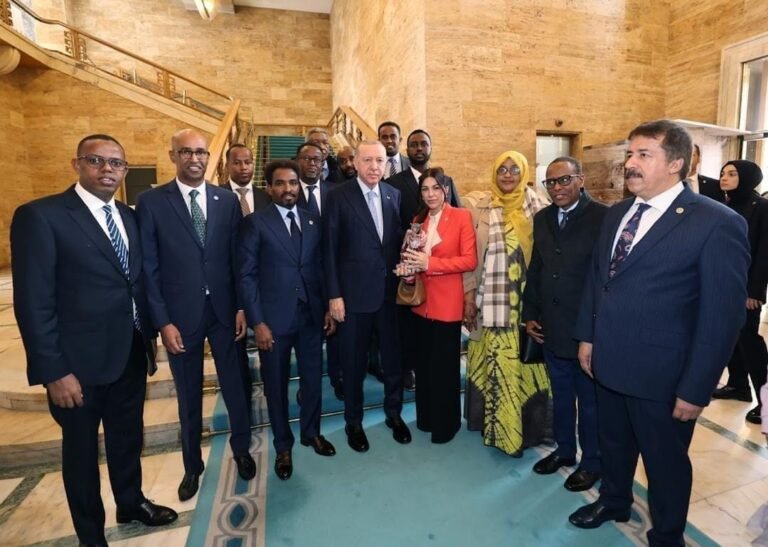
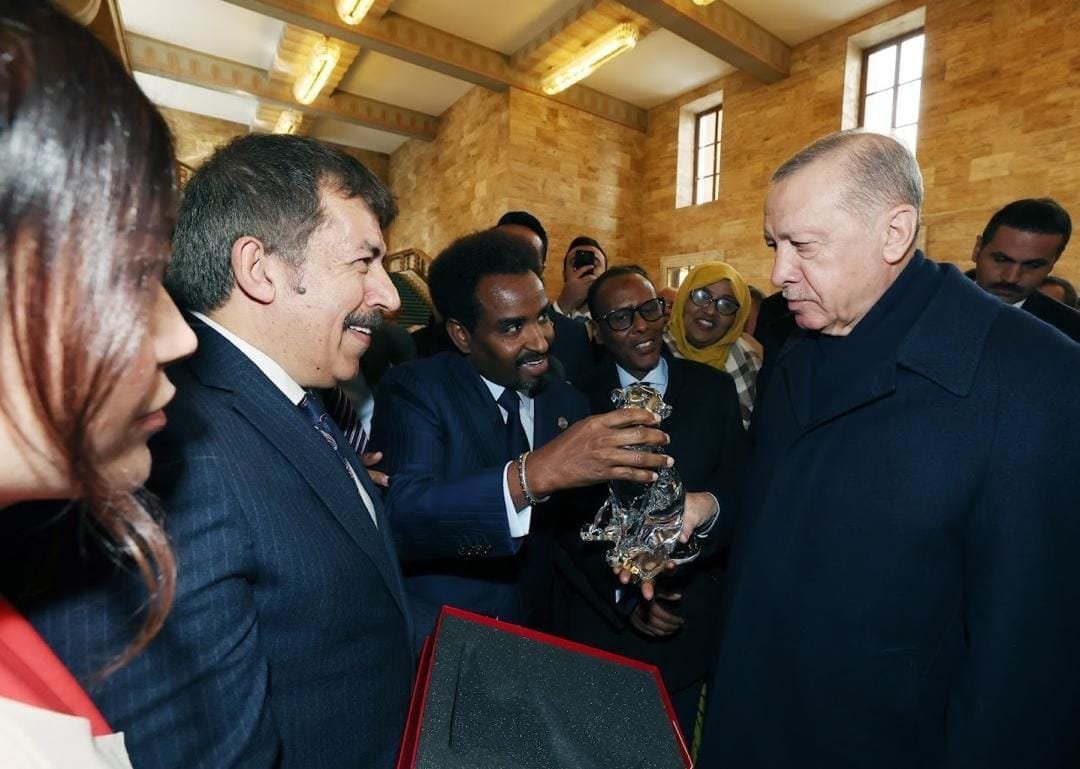
{DAAWO SAWIRADA} Madaxwayne Erdogan oo maanta xafiiskiisa ku qaabilay Wafdi ka socdo Soomaaliya.

0

Arbaco 27 Nov, 2024 {HMC} Madaxwaynaha Dalka Turkiga Mudane Racep Tayyip Erdogan ayaa maanta xafiiskiisa ku qaabilay Guddoomiyaha Guddiga Saaxiibtinimada ee Baarlamaanada Soomaaliya iyo Turkiga Xildhibaan Saadaq Cumar Xasan iyo wafdi uu hogaaminayo oo booqasho rasmi ah ku jooga wadankaasi Turkiga.

Guddoomiye Saadaq Cumar ayaa Madaxwayne Erdogan gaarsiiyay dhambaal uu ka siday Madaxwaynaha Jamhuuriyadda Federaalka Soomaaliya Mudane Xasan Sheekh Maxamuud.
Madaxweynaha Wadanka Turkiga Erdogan ayaa xubnaha wafdiga kaga mahadceliyay booqashada ay ku joogaan Dalkaasi, isaga oo ku amaanay shaqada wanaagsan oo ay wadaan ee la xiriirta xoojinta xiriirka walaalnimo ee labada baarlamaan.

Kulanka waxaa goobjoog ka ahaa Danjiraha dowladda Soomaaliya u fadhiya Wadanka Turkiga Danjire Fatxudiin Cali Maxamed iyo Guddoomiyaha Gudiga Saaxiibtinamada Baarlamaanka dalka Turkiga Mudane Abdirahim Firat.

Israel and Lebanon’s Hezbollah start a ceasefire after nearly 14 months of fighting

0

Wednesday 27 Nov-2024 {HMC} Israel and Lebanon-based Hezbollah militants began a ceasefire Wednesday in a major step toward ending nearly 14 months of fighting as a region on edge wondered whether it will hold.

Some celebratory gunshots could be heard in parts of Beirut’s southern suburbs, battered over the past two months, but no immediate violations of the ceasefire were reported.

Israel has said it will attack if Hezbollah breaks the agreement, and an Israeli military spokesman, in an Arabic-language X post in the first half-hour of the ceasefire, warned evacuated residents of southern Lebanon to not head home yet, saying the military remained deployed there.

The ceasefire calls for an initial two-month halt to fighting and requires Hezbollah to end its armed presence in southern Lebanon, while Israeli troops are to return to their side of the border. Thousands of additional Lebanese troopsand U.N. peacekeepers would deploy in the south, and an international panel headed by the United States would monitor compliance.

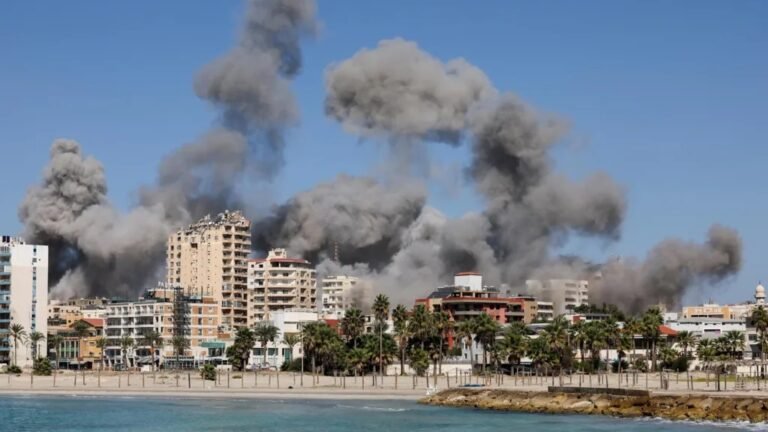
The ceasefire began at 4 a.m. Wednesday, a day after Israel carried out its most intense wave of airstrikes in Beirut since the start of the conflict that in recent weeks turned into all-out war. At least 42 people were killed in strikes across the country, according to local authorities.

The ceasefire does not address the devastating war in Gaza, where Hamas is still holding dozens of hostages and the conflict is more intractable.

There appeared to be lingering disagreement over whether Israel would have the right to strike Hezbollah if it believed the militants had violated the agreement, something Prime Minister Benjamin Netanyahu insisted was part of the deal but which Lebanese and Hezbollah officials have rejected.

Israel’s security Cabinet approved the U.S.-France-brokered ceasefire agreement after Netanyahu presented it, his office said. President Joe Biden, speaking in Washington, called the agreement “good news” and said his administration would make a renewed push for a ceasefire in Gaza.

The Biden administration spent much of this year trying to broker a ceasefire and hostage release in Gaza but the talks repeatedly sputtered to a halt. President-elect Donald Trump has vowed to bring peace to the Middle East without saying how, and his team linked the deal to Trump’s looming return to office.

Any halt to the fighting in Lebanon is expected to reduce the likelihood of war between Israel and Iran, which backs both Hezbollah and Hamas and exchanged direct fire with Israel on two occasions earlier this year.

Israel says it will ‘attack with might’ if Hezbollah breaks truce
Netanyahu presented the ceasefire proposal to Cabinet ministers after a televised address in which he listed accomplishments against Israel’s enemies. He said a ceasefire with Hezbollah would further isolate Hamas in Gaza and allow Israel to focus on its main enemy, Iran.

“If Hezbollah breaks the agreement and tries to rearm, we will attack,” he said. “For every violation, we will attack with might.”

Biden said Israel reserved the right to quickly resume operations in Lebanon if Hezbollah breaks the terms of the truce, but that the deal “was designed to be a permanent cessation of hostilities.”

Netanyahu’s office said Israel appreciated the U.S. efforts in securing the deal but “reserves the right to act against every threat to its security.”

Lebanon’s caretaker Prime Minister Najib Mikati welcomed the ceasefire and described it as a crucial step toward stability and the return of displaced people.

Hezbollah has said it accepts the proposal, but a senior official with the group said Tuesday it had not seen the agreement in its final form.

“After reviewing the agreement signed by the enemy government, we will see if there is a match between what we stated and what was agreed upon by the Lebanese officials,” Mahmoud Qamati, deputy chair of Hezbollah’s political council, told the Al Jazeera news network.

“We want an end to the aggression, of course, but not at the expense of the sovereignty of the state,” he said, referring to Israel’s demand for freedom of action. “Any violation of sovereignty is refused.”

Warplanes bombard Beirut and its southern suburbs

Even as ceasefire efforts gained momentum in recent days, Israel continued to strike what it called Hezbollah targets across Lebanon while the militants fired rockets, missiles and drones across the border.

An Israeli strike on Tuesday leveled a residential building in central Beirut — the second time in recent days warplanes have hit the crowded area near downtown. At least seven people were killed and 37 wounded, according to Lebanon’s Health Ministry.

Israel also struck a building in Beirut’s bustling commercial district of Hamra for the first time, hitting a site around 400 meters (yards) from Lebanon’s Central Bank. There were no reports of casualties.

The Israeli military said it struck targets linked to Hezbollah’s financial arm.

The evacuation warnings covered many areas, including parts of Beirut that previously were not targeted. Residents fled. Traffic was gridlocked, with mattresses tied to some cars. Dozens of people, some wearing pajamas, gathered in a central square, huddling under blankets or standing around fires as Israeli drones buzzed overhead.

Israeli military spokesman Avichay Adraee issued evacuation warnings for 20 buildings in Beirut’s southern suburbs, where Hezbollah has a major presence, as well as a warning for the southern town of Naqoura where the U.N. peacekeeping mission, UNIFIL, is headquartered.

UNIFIL spokesperson Andrea Tenenti said peacekeepers will not evacuate.

Israeli forces reach Litani River in southern Lebanon

The Israeli military also said its ground troops clashed with Hezbollah forces and destroyed rocket launchers in the Slouqi area on the eastern end of the Litani River, a few kilometers (miles) from the Israeli border.

Under the ceasefire deal, Hezbollah is required to move its forces north of the Litani, which in some places is about 30 kilometers (20 miles) north of the border.

Hezbollah began firing into northern Israel on Oct. 8, 2023, saying it was showing support for the Palestinians, a day after Hamas carried out its attack on southern Israel, triggering the Gaza war. Israel returned fire on Hezbollah, and the two sides have exchanged barrages ever since.

Israel escalated its bombardment in mid-September and later sent troops into Lebanon, vowing to put an end to Hezbollah fire so tens of thousands of evacuated Israelis could return to their homes.

More than 3,760 people have been killed by Israeli fire in Lebanon the past 13 months, many of them civilians, according to Lebanese health officials. The bombardment has driven 1.2 million people from their homes. Israel says it has killed more than 2,000 Hezbollah members.

Hezbollah fire has forced some 50,000 Israelis to evacuate in the country’s north, and its rockets have reached as far south in Israel as Tel Aviv. At least 75 people have been killed, more than half of them civilians. More than 50 Israeli soldiers have died in the ground offensive in Lebanon.
___

Chehayeb and Mroue reported from Beirut and Federman from Jerusalem. Associated Press reporters Lujain Jo and Sally Abou AlJoud in Beirut and Aamer Madhani in Washington contributed.

SOURCE


By  KAREEM CHEHAYEB, BASSEM MROUE and JOSEF FEDERMAN