


Khamiis 14 Nov 2024 {HMC} Mashaariic laga hirgeliyay deegaannada laga xoreeyay AS ee gobolka Hiiraan.
HOOS KA DAAWO MUQAALKA WARBIXINTA
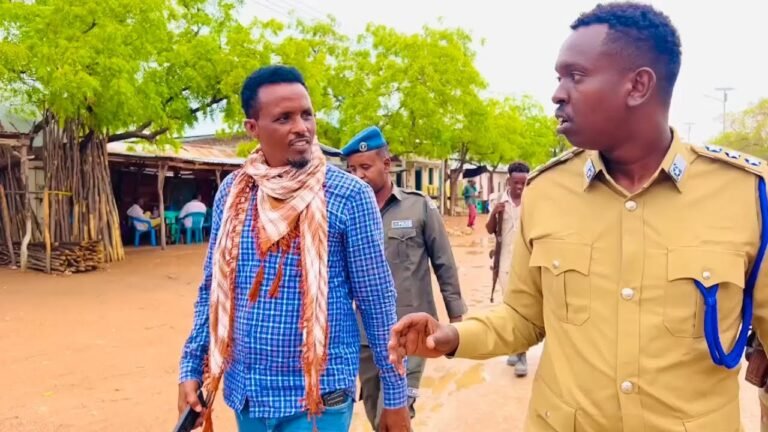
Khamiis 14 Nov 2024 {HMC} Mashaariic laga hirgeliyay deegaannada laga xoreeyay AS ee gobolka Hiiraan.
HOOS KA DAAWO MUQAALKA WARBIXINTA

Khamiis 14 Nov 2024 {HMC} Wasiir hore iyo sargaal Soomaali ah oo 30-sanno ku xukumay Dalka Mareykanka
HOOS KA DAAWO MUQAALKA WARBIXINTA
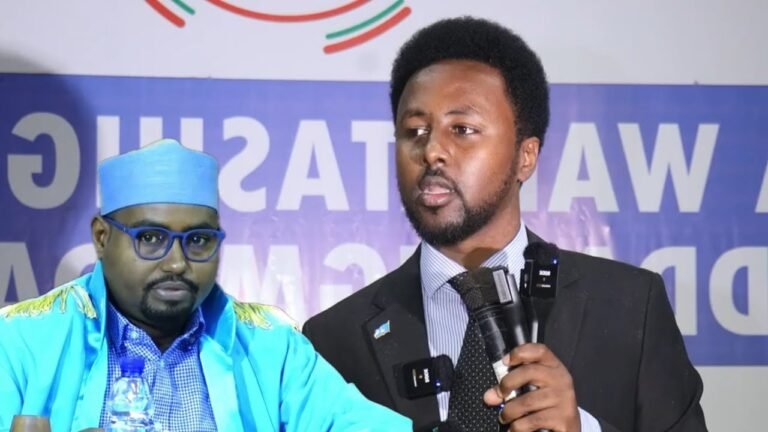
Khamiis 14 Nov 2024 {HMC} Gudoomiye Dagmo Oo kahoryimid Amar Ay Soosaartay Maxkamadda Gobolka Banaadir
HOOS KA DAAWO MUQAALKA WARBIXINTA
Khamiis 14 Nov 2024 {HMC} Dhageystayaal halkan waxa aan idiin kugu soo gudbi neynaa Warka subaxnimo ee Warbaahinta Hiiraanweyn
Warka waxaa soo jeedinayo::Cabdi Raxmaan Macalin Muuse
Farsamadii ::Mohamed Baryare Haamud
HOOS KA DHAGEYSO WARKA SUBAXNIMO
Khamiis 14 Nov 2024 {HMC} Goorta lasoo saarayo natiijada doorashada Somaliland oo la shaaciyey
HOOS KA DAAWO MUQAALKA WARBIXINTA
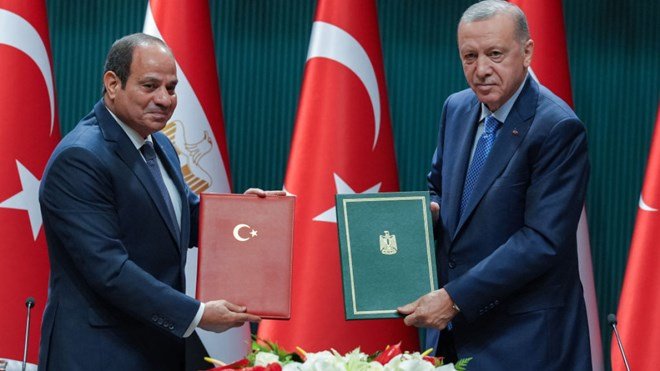
Thursday 14,Nov 2024 {HMC} Turkish and Egyptian officials held two rounds of talks on Africa and Libya on Monday, in a sign of growing rapprochement between the two formerly hostile nations and amid tensions between Ethiopia and Somalia.
The Egyptian foreign ministry said on Facebook that the discussions had focused on the Horn of Africa and the Red Sea region.
The talks were led by Ihab Awad, Egypt’s assistant foreign minister for African affairs and Elif Ulgen, General Director of Eastern and Southern Africa at the Turkish Ministry of Foreign Affairs.
The Egyptian foreign ministry said the two sides had reached common ground and understanding on “ways to maintain the security and stability” of the Horn of Africa region, allowing the “restoration of shipping” to normal levels in the Red Sea.
It added that Turkey and Egypt would “strengthen cooperation on multiple levels to achieve their common goals in the Horn of Africa and the Red Sea”, while supporting Somalia in its efforts to “fight terrorism” and build up its national army.
Regarding Libya, the two countries agreed to continue consultations and exchange views in a way that would “achieve the interests of the brotherly Libyan people”.
Egypt and Turkey have backed opposing sides in the Libyan conflict, with Cairo supporting the forces of east-based strongman Khalifa Haftar, and Turkey providing strong support to authorities based in the capital Tripoli.
However, both Turkey and Egypt have provided backing to Somalia, with Ankara signing a landmark defence deal with the Somali government in February under which Turkey would patrol and defend Somali territorial waters.
Egypt has also signed a military cooperation protocol with Somalia, which would see Egyptian troops deployed to the country as part of an African peacekeeping force.
The Egyptian move is widely believed to be directed against Ethiopia, which has accused of Somalia of interfering in its internal affairs following a maritime deal between Addis Ababa and the breakaway state of Somaliland.
Egypt has its own long-running dispute with Ethiopia over the latter’s Great Renaissance Dam on the Nile, which Egypt fears will deprive it of life-giving water.
Egyptian President Abdel Fattah al-Sisi visited Turkey last September, meeting his counterpart Recep Tayyip Erdogan following over a decade of hostility.
Erdogan had previously furiously denounced Sisi’s 2013 coup against Egypt’s first democratically elected leader, Mohammed Morsi, and his repression of the Muslim Brotherhood movement.
Earlier this year, there were reports that Turkey could possibly mediate in the dispute between Egypt and Ethiopia.
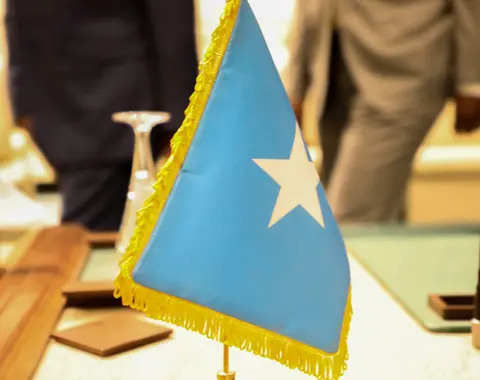
Thursday 14,Nov 2024 {HMC} Somali leaders are at a critical crossroads, where their determination to push forward radical reforms must be consoled with wisdom and caution. If they do not recognize when to pause and allow society to catch up, they risk appearing out of touch with the evolving realities of their nation’s capacity for change. There is a growing sense of urgency around Somalia’s political system, particularly in terms of electoral reform. It is no secret that the country has been without a genuinely democratic, one-person, one-vote election for 45 years, and the thirst for political change is intense. However, while it is essential to begin the process of reform through the establishment of election laws, political party regulations, an independent election commission, and other key structures, it is equally important to avoid hasty steps that might leave behind legislative flaws.
Reform, when rushed, can do more harm than good. If the process of creating election laws is not handled carefully, it could undermine the very goal of holding a free, fair, and inclusive election. The goodwill of the Somali people, who are eager for a return to democratic elections, will be worn out if the legislation is flawed or incompetent. The goal is not just to create laws for the sake of appearing to take action, but to create meaningful, durable structures that will allow for a democratic system to function long-term. The current push for reform is not just about satisfying a political timeline, but about laying the foundation for a future that respects the will of the people.
The Long Wait for Democratic Elections
For over four decades, Somalia has been without a popular, general election. The last one was held in 1969, and since then, the country has experienced political instability, civil war, and a collapse of the state. Despite these challenges, Somalia’s leaders have continually promised a return to democracy, but various political, logistical, and economic barriers have prevented the realization of this vision. Today, the people of Somalia have waited long enough. They are ready for the right to choose their political leaders through a transparent, credible, and participatory electoral process.
The friendly partners of the international community have also long urged Somalia to adopt democratic reforms. A vibrant democracy that can hold free and fair elections is seen as crucial not only for the stability of the nation but also for its future development. However, the pressures of global expectations should not overshadow the reality of Somalia’s internal challenges. The path toward democratization must be driven by the people of Somalia themselves, not merely by external pressures or imposed deadlines. Leaders must understand the delicate balance between pursuing reform and allowing the country to evolve in its own time.
In recent years, the Somali government has made steps toward implementing electoral laws, but these efforts have been slow and troubled by the opposition. Many politicians both in the national government and regional states have raised concerns about the feasibility of moving toward a popular election system. Some argue that the country is not yet ready for such a drastic change, citing issues like security, infrastructure, and political fragmentation. While these concerns are not without merit, they should not be used as an endless excuse to indefinitely delay progress.
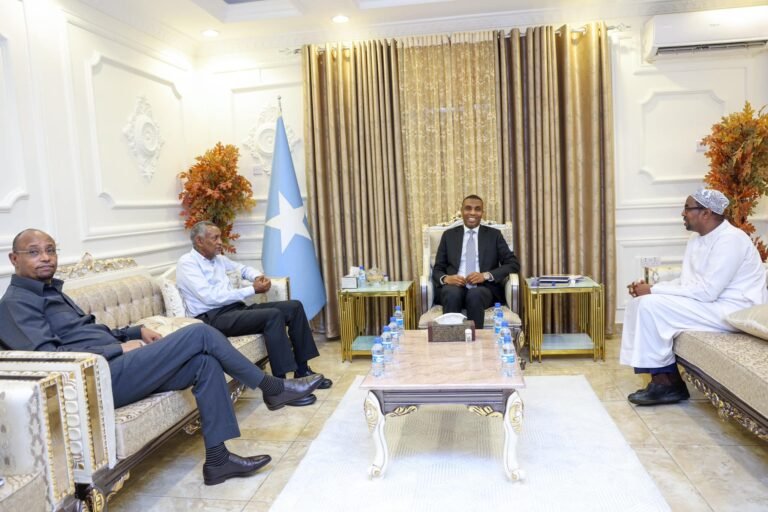
Thursday 14,Novv 2024 {HMC} Somali Prime Minister Hamza Abdi Barre met with a Kenyan delegation in Mogadishu on Tuesday, marking the start of mediation efforts to ease the political standoff between the federal government and Jubbaland leader Ahmed Madobe over the upcoming electoral process.
The Kenyan delegation, consisting of senior political figures including former Intergovernmental Authority on Development (IGAD) Secretary General Mahbub Moalim, former IGAD Special Envoy for Somalia Ambassador Mohamed Abdi Affey, and Wajir County Senator Abdirahman Ali Hassan Olow, previously held talks with Madobe in Kismayo.
While details of that discussion remain undisclosed, Jubbaland Presidential Palace confirmed that Somali President Hassan Sheikh Mohamud had personally requested Kenyan assistance to mediate the ongoing conflict.
During the meeting with Barre, discussions focused on strengthening ties between Kenya and Somalia, particularly in security, politics, and trade. The Prime Minister expressed gratitude for Kenya’s ongoing support for Somalia’s state-building efforts and regional stability.
The federal government’s disagreement with Jubbaland intensified after Jubbaland’s unilateral appointment of an electoral committee, a move the federal government opposed.
The dispute escalated when Madobe exited the recent National Consultative Council (NCC) meeting in Mogadishu, demanding that Puntland and SSC Khatumo be included, as Puntland continues to boycott NCC sessions amid its own disagreements with the federal administration.
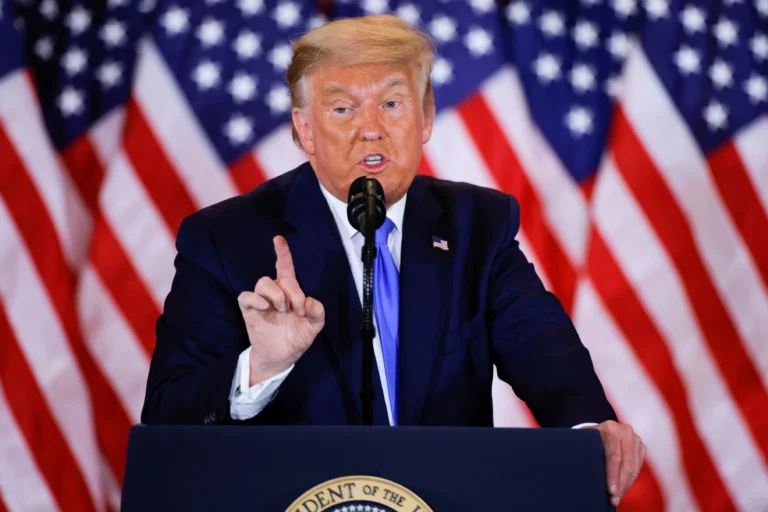
Thursday 14,Nov 2024 {HMC} Days after Donald Trump’s victory in the US presidential election, the country’s ambassador to Kenya has handed in her walking papers.
“Today, I announced to my team at the US embassy that I submitted my resignation to President (Joe) Biden. It has been an honor and privilege to serve the American people through strengthening our partnership with Kenya,” Meg Whitman said in a Wednesday statement.
Reflecting on her tenure, which began in 2022, Whitman spoke about her efforts in fostering trade, security, and healthcare collaboration between Kenya and the US.
“My efforts also opened the door for more American companies to do business in Kenya. Trade, jobs, and U.S. investment in Kenya are at historic highs because of our efforts,” she said.
She also emphasized the elevation of Kenya as the first major non-NATO Ally in sub-Saharan Africa, a milestone achieved during her service.
“Like all U.S. ambassadors, I serve at the request of the President. The American people have spoken, and a new president will be inaugurated in January,” she added.
Whitman also expressed confidence in the continued strength of U.S.-Kenya relations, stating: “I have no doubt that our 60 years of partnership will continue to strengthen and serve Americans and Kenyans.”
Her departure leaves Charge d’Affaires Marc Dillard at the helm as the US Embassy transitions to new leadership under the incoming administration.
US relations with sub-Saharan Africa were neglected under the first Trump administration, according to some analysts, in years also characterized by leaks of racist remarks reportedly by Trump, which his administration strongly denied.
Source Hiiraan online
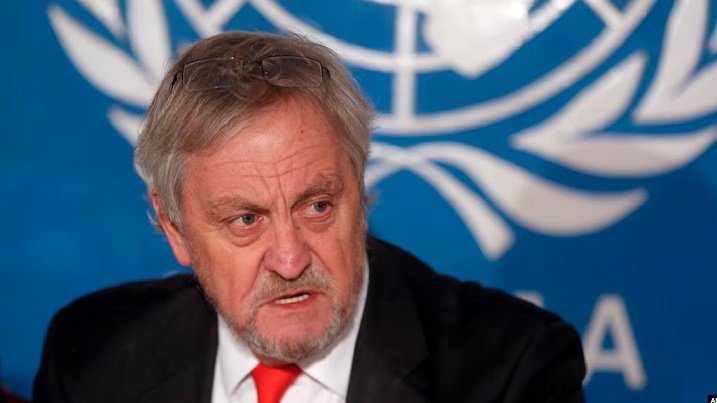
Thursday 14,Nov 2024 {HMC} The United Nations Mission in South Sudan has called for tangible evidence of progress toward democratic elections the country.
Briefing the United Nations Security Council this week, special representative of the secretary-general and head of UNMISS, Nicholas Haysom, told government leaders “the clock on the extension is already ticking.”
Since winning its independence in 2011, South Sudan is just beginning its fourth extension of the transitional period government, with elections now rescheduled for 2026.
Speaking for Haysom, U.N. South Sudan acting spokesperson Rabindra Giri said, “The international community needs tangible evidence that this country’s leaders and political elite are genuinely committed to a democratic future.”
As the country struggles with increasing internal conflict, the delay in democratic reform affects the hopes for peace, stability and development, even beyond South Sudan’s borders, impacting the entire East African region.
UNMISS officials stressed that time is running out for political leaders to fulfill their obligations under the peace agreement.
“We must collectively seize the opportunity to make this extension the last and deliver the peace and democracy that the people of South Sudan deserve,” Giri said.
On the streets of Juba, South Sudanese citizens were eager to talk about how the delays in implementing the peace agreement raise doubts about whether their leaders genuinely care about the nation’s well-being and are impacting their hopes for peace, stability and development.
Nunu Diana, a women’s rights advocate in South Sudan, is one of them.
“I think because of the extension, personally, as a young person, I have lost morale in the governance system of the country,” Diana said.
Data Gordon, an advocate for peace and gender equality, is another.
“The time for political statements without tangible and time-bound action is over,” Gorton said. “For elections to take place as scheduled, the government needs to walk the talk.”
UNMISS said it is moving ahead with support to the National Elections Commission, while Haysom highlighted civic education, preparing for voter registration, a code of conduct between political parties, civil society, media and election security among the areas that the parties could immediately address.
Haysom said time is a nonrenewable resource. He said this is South Sudan’s last chance to deliver on its promise of democracy, and there is a need for sustained international support while holding South Sudan’s leaders accountable to their own commitments.
“This cannot be business as usual for the parties to the peace agreement, the political elite, the guarantors of the peace agreement or the international community,” Giri said. “We must collectively seize the opportunity to make this extension the last and deliver the peace and democracy that the people of South Sudan deserve.”
SOURCE VOA