


Jimco 8 Aug 2025 {HMC} Waxaa halkan idin kugu soo gudbineynaa Wararkii Ugu Dambeeyay Soomaaliya iyo Caalamka ee Warbaahinta Hiiraanweyn.
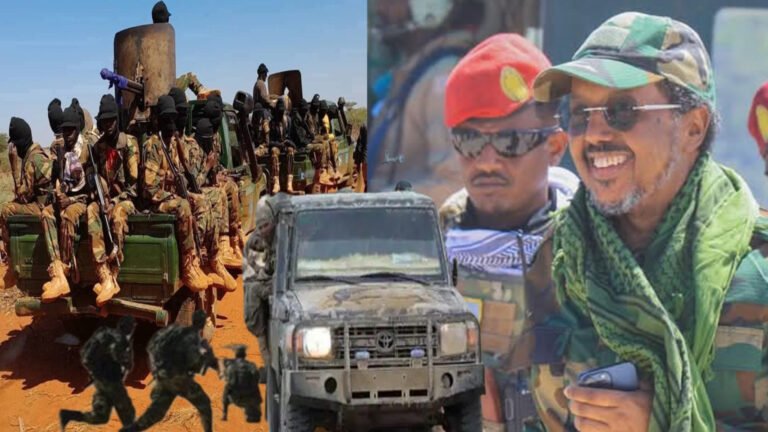
WAR DEG DEG AH: Ciidanka Xoogga Dalka oo La wareegay Deegaanka Bariire ee gobolka Sh/hoose.
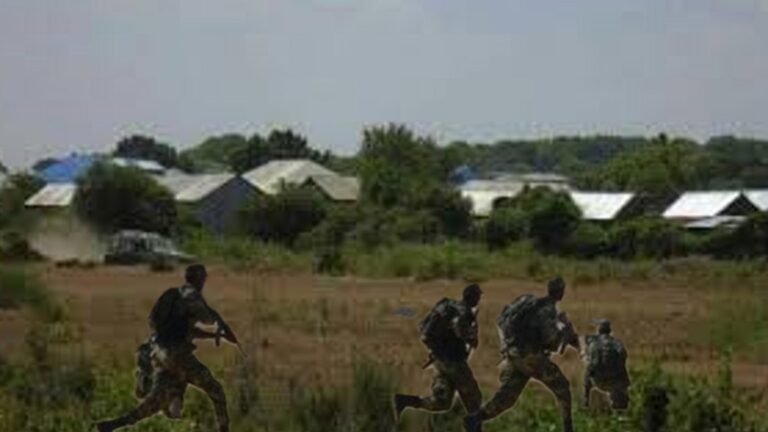
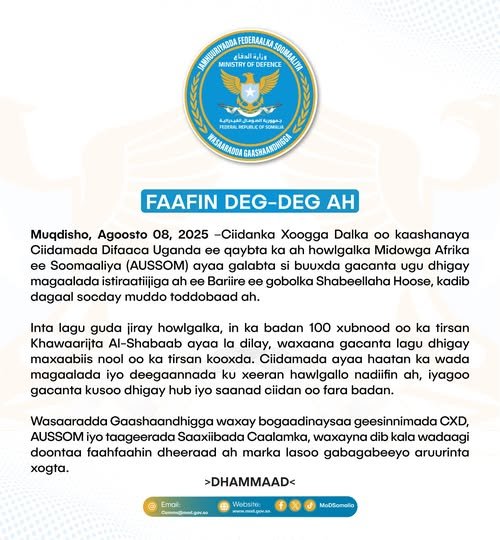
Jimco 8 Aug 2025 {HMC} Ciidanka Xoogga Dalka oo kaashanaya Ciidamada Difaaca Uganda ee qeybta ka ah howlgalka Midowga Afrika ee Soomaaliya (AUSSOM) ayaa galabta si buuxda gacanta ugu dhigay magaalada istiraatiijiga ah ee Bariire ee gobolka Shabeellaha Hoose, kadib dagaal socday muddo toddobaad ah.
Inta lagu guda jiray howlgalka, in ka badan 100 xubnood oo ka tirsan Khawaarijta Al-Shabaab ayaa la dilay, waxaana gacanta lagu dhigay maxaabiis nool oo ka tirsan kooxda. Ciidamada ayaa haatan ka wada magaalada iyo deegaannada ku xeeran hawlgallo nadiifin ah, iyagoo gacanta kusoo dhigay hub iyo saanad ciidan oo fara badan.
Wasaaradda Gaashaandhigga waxay bogaadinaysaa geesinnimada CXD, AUSSOM iyo taageerada Saaxiibada Caalamka, waxayna dib kala wadaagi doontaa faahfaahin dheeraad ah marka lasoo gabagabeeyo aruurinta xogta.
Warkan waxaa Lagu daabacay warbaahinta ku hadasho Afka Dowladda Soomaaliya.
{DAAWO MUUQAALKA} Soomaaliya Tacsi u dirtay Shacabka iyo Dowladda Gaana

Jimco 08 August 2025 {HMC} Soomaaliya Tacsi u dirtay Shacabka iyo Dowladda Gaana
HOOS KA DAAWO MUUQAKA.

Seven Ethiopian migrants die of hunger, thirst on boat.
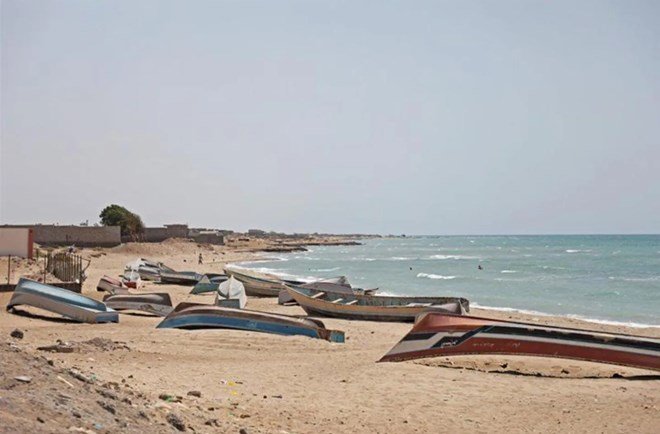
Friday 8 Aug 2025 {HMC} Seven Ethiopian migrants died of hunger and thirst after their boat broke down while en route from Somalia to Yemen, the International Organization for Migration (IOM) said on Wednesday.
In a statement, the UN agency said its teams in Yemen have provided “lifesaving assistance to survivors of a harrowing seven-day voyage from Bossaso, Somalia.”
The IOM said a boat carrying 250 Ethiopian migrants, including 82 children, arrived in the Arqah area of southern Yemen on Tuesday.
“Seven of the migrants died of hunger and thirst en route,” it said.
Week of hell
IOM warned that “tragedies would continue as vulnerable migrants take ever-more dangerous journeys on the Eastern Route.”
“These people have been through a week of hell on the high seas. They have been exploited, terrified and traumatized,” said Abdusattor Esoev, IOM’s chief of mission in Yemen.
Since the beginning of 2025, the IOM has recorded more than 350 migrant deaths and disappearances along the Eastern Route, though the real number is believed to be significantly higher.
Yemen is a common destination for hundreds of illegal migrants from the Horn of Africa, particularly Somalia and Ethiopia, who undertake this perilous journey in hopes of reaching Gulf countries to seek better living conditions.

Kenya railways calls for vigilance at level crossings after 8 die in accident.
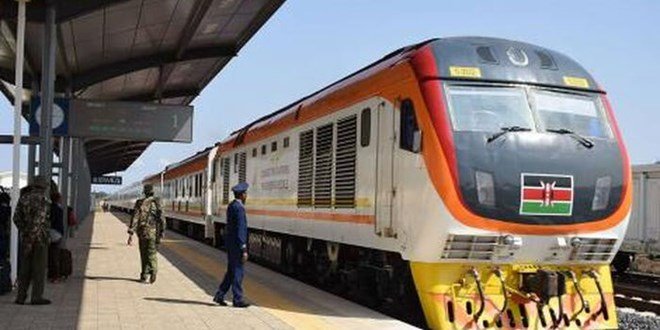
Friday 8 Aug 2025 {HMC} The Kenya Railways Corporation has issued a strong warning to members of the public, including motorists, urging them to be vigilant when approaching railway crossings.
In a statement, the Corporation reiterated the need for vigilance to avoid any potential collision with approaching trains.
“Motorists and the general public are advised to take caution when crossing the railway line at level crossings to avoid collision with approaching trains,” Kenya Railways cautioned.
The warning follows an accident involving a freight train and a company bus at the Morendat Junction in Naivasha, Nakuru County, which resulted in the death of eight people.
According to reports, the accident occurred on Thursday, August 7, while the bus was ferrying home the company staff who had just completed their morning shift.
Reports further indicated that the train struck the bus and dragged it over 200 metres, killing the eight people instantly and leaving others nursing serious injuries.
In the press statement, Kenya Railways Corporation confirmed the incident, terming it unfortunate. The Corporation went ahead to extend condolences to the affected families.
The agency also revealed that during the noon accident, it mobilised an immediate response team that worked with the police to evacuate the injured to the hospital.
“An unfortunate accident occurred this evening involving a train and a bus in Naivasha at a railway level crossing. Kenya Railways mobilised an immediate response team that worked with the police to evacuate the injured,” the Corporation revealed.
Footage of the incident obtained by Kenyans.co.ke, showed the white bus extensively damaged, with a better part of the vehicle severely mangled by the freight train.
Meanwhile, security agencies, including the police, have launched investigations into the incident, with the wreckage of the vehicle already removed from the scene.
The incident has since raised fresh concerns about the safety of members of the public at Railway crossing zones, with a section of Kenyans now calling for enhanced measures.

by Timothy Cerullo
Israeli military plans to occupy Gaza City in major escalation of war.

Friday 8 Aug 2025 {HMC} Israel’s security cabinet has approved a plan by Israeli Prime Minister Benjamin Netanyahu for the military occupation of Gaza City, located in the north of the Palestinian enclave.
“The [Israeli military] will prepare to take control of Gaza City while providing humanitarian aid to the civilian population outside the combat zones,” Netanyahu’s office said in a statement early on Friday announcing the takeover plan.
Two Israeli government sources told the Reuters news agency that any resolution by the security cabinet would now need to be approved by the full government cabinet, which may not meet until Sunday.
Occupying Gaza City marks a major escalation by Israel in its war on the Palestinian territory and will likely result in the forced displacement of tens of thousands of exhausted and starving residents who are experiencing famine conditions as Israel continues to block humanitarian aid from entering the territory.
Axios news reporter Barak Ravid, who first reported the plan, quoted an unnamed Israeli official as saying the operation will involve the forced displacement of “all Palestinian civilians from Gaza City to the central camps and other areas by October 7”.
“A siege will be imposed on the Hamas militants who remain in Gaza City, and at the same time, a ground offensive will be carried out in Gaza City,” Ravid wrote on X, citing the official.
On Thursday, in advance of the security cabinet meeting, Netanyahu said Israel would “take control of all Gaza”.
In a television interview with US outlet Fox News, Netanyahu also said Israel does not want to be “a governing body” in Gaza and would hand over responsibility to an unspecified third party.
“We don’t want to keep it. We want to have a security perimeter. We don’t want to govern it,” he said.
Netanyahu’s comments followed reports in Israeli media earlier this week that the Israeli leader would imminently announce plans to fully occupy the entirety of the Gaza Strip.
Shihab Rattansi, Al Jazeera’s correspondent in Washington, DC, said Israel’s move to occupy Gaza has been “telegraphed for several days now”.
“Donald Trump has all but greenlit whatever Benjamin Netanyahu wants to do. He said it would be up to the Israelis,” Rattansi said.
It is unclear how many people still reside in Gaza City, which was the enclave’s largest population centre before Israel’s war on the territory that has now killed more than 61,000 Palestinians since October 2023.
Hundreds of thousands of people fled Gaza City under forced evacuation orders issued by the Israeli military in the opening weeks of the war, but many returned during a brief ceasefire at the start of this year.
A major ground operation in Gaza City could displace many thousands and further disrupt efforts to deliver food to the famine-stricken territory, where almost 200 people have now died from starvation and malnutrition.
“There is nothing left to occupy,” Gaza resident Maysaa al-Heila said on hearing of the planned takeover of the city.
“There is no Gaza left,” al-Heila told The Associated Press news agency.
Cultural evolution: Somali Museum Dance Troupe redefines tradition in Minnesota.
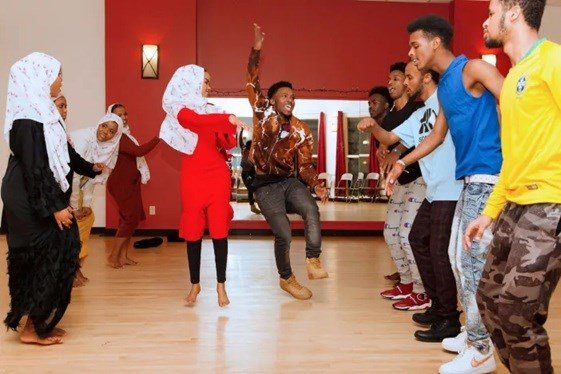
The troupe’s TikTok presence has helped popularize traditional dances among U.S.-born Somalis — and spread the dancers’ innovative moves.
Friday 8 Aug 2025 {HMC} This story is provided to you free of charge. We’re glad you’re here! If fair, free journalism matters to you, please support us!
In the basement of the Midtown Global Market in Minneapolis you might find yourself transported to a different land. As you walk toward the Somali Museum of Minnesota, you might hear the joyful sounds of the jaandheer, a traditional dance from the Sanaag region of the Somali peninsula.
To many listeners, particularly those from the Northern Somali region, the music says, Welcome home.
On a recent day, a group of young Somali Minnesotans practiced the dance as their instructor replayed the past 30 seconds of music over and over until they got it right.
The instructor, Abdurahman Muhumed, a young man with braided hair, had recently performed with the Somali Museum Dance Troupe at the “Star of Unity” concert at the Ordway Theatre in St. Paul. As a more experienced dancer, he was training the others as part of the troupe’s leadership training component.
A few days later, several members of the 20-member Somali Museum Dance Troupe –- Bashir Mohamed, Ayan Furreh, Harun Mohamed and their coach, Mohamoud Osman Mohamed, who is also artistic director of the Somali Museum, talked about their work and their passion for celebrating Somali culture through dance.
Dancers from the Somali Museum Dance Troupe performed at the University of Minnesota in November 2023. Credit: Yasmin Yassin
Mohamoud helped found the Somali Museum Dance Troupe nearly 10 years ago to share his love of that culture and to elevate its artistic expression. His father, Osman Ali, had told him about the importance Somali performing arts held before that country’s long-raging civil war, and the two of them combined efforts to create the Somali Museum Dance Troupe.
In its early years, the troupe consisted of young recent immigrants who knew a lot of dances from back home and wanted to share those same dance styles and techniques in Minnesota.
Now many troupe members are U.S.-born Somalis looking for ways to build connections to Somali culture — a different dynamic from that of their predecessors.
Abdi Yusuf was the troupe’s first instructor. He taught dances from several regions and was able to share his expertise about dances from southern Somalia.
The first dance the group learned from him was the xariireey, performed when someone is jealous.
In the troupe’s early days, Mohamoud said, there wasn’t much of a place for it in Minnesota’s social and cultural fabric.
In their first year, in an effort to gain exposure and experience, they volunteered at festivals and events across the state. By 2016, the group had achieved local recognition and was asked to perform more often. Then, two years in, they started touring across the state. Demand soon grew and they began traveling across the United States.
Arts, events, resources. Discover what’s going on in Minnesota in our weekly newsletter, Sahan Pathfinder.
Sign up
The group initially had limited resources, but was fueled by a passion for their culture and dedication to their art. Early on, many Somalis from their generally conservative religious society weren’t keen on engaging with the troupe.
Some chastised it for having men and women dance together on stage. But over time, those earlier pain points have eased, and the troupe has performed at more than a thousand events since 2015.
Members of the Somali Museum Dance Troupe. Credit: Steffen Sharikov | Somali Museum of Minnesota
Mohamoud credits TikTok for helping the group gain popularity. For many younger Somalis, learning these cultural dances is now seen as “cool” rather than offputting or indicative of an inability to integrate into America.
The dance troupe now consists of young Somalis born and raised in the diaspora who are looking for ways to engage with their culture — as well as bring their own creativity to the troupe. The three dancers interviewed for this article all said they were keen to be part of the highly competitive group.
Bashir said he was willing to drive hours from Wisconsin to try out for the dance troupe. He would also come whenever he could to take part in their events and dance sessions.
He says, “when you’re around people that have the same interests as you, your true self comes out and you shine a bit brighter. For me, this [engagement with the troupe] made my creativity and confidence grow.”
In addition to its performances, the troupe hosts dance classes with up to 96 students in spring and summer, an opportunity for anyone from the larger Minnesota community to engage with the dances and Somali culture.
The dances are lively mainstays at Somali weddings and cultural events. Mohamoud said the troupe has performed 15 styles of dances through the years. Some are linked to particular regions and tribes across the Somali peninsula; the dance group will perform them when asked.
One of the most popular dances is the dhaanto, a dance from the Somali Ethiopian region that mimics a camel. The group discussed the creativity and ingenuity that they’ve added to this traditional dance.
Harun says “we started adding the jabis” — an up and down hand movement they do at the same time they move their neck like a camel back and forth “to the dhaanto dance that is unique to us and now other dance groups have mimicked our style. It’s cool to see the way we have influenced and created new cultural norms” he says.
Still, the three young troupe members said the jaandheer remains their favorite dance. (Watch the troupe perform it here at 6:40 minutes in.) This dance, which hails from the Sanaag region, features women and men showing off sophisticated footwork and spins.
Members of the Somali Museum Dance Troupe perform on Oct. 5, 2024 at the Ames Center in Burnsville. Credit: Steffen Sharikov | Somali Museum of Minnesota
The jaandheer requires a dancer to be fully engaged, but is not as rigid or systematic as some other dances, allowing a performer to express his or her personality, the young dancers said.
Despite some initial shyness, the young dancers came to life when talking about their journey and the dances.
Bashir, who has been a part of the troupe for less than six months, said he is a different person on stage –- confident and unapologetically expressive.
He might grunt or make various noises that the rest of the group feeds off of as they perform.
He recently performed the harimadee, a traditional dance from Djibouti, at the “Star of Unity” show. You can see his performance here; at 0:59 seconds, he holds up another dance member as the rest of the group performs around them while wielding swords.
Harun, who was on stage with Bashir for that performance, said he built off of Bashir’s energy to add additional swagger to the performance. His face was full of emotion as he also verbally emoted a strong sense of power and authority while dancing.
All said being part of the dance troupe gave them confidence.
Ayan, a young woman who was part of the troupe for a year, comes from a musical family and is known to her peers as the queen of the buranbuur. Although she was very shy during the interview, she and her colleagues reinforced that she was expressive on the dance floor. She comes from a musical family — they are musicians and singers from Djibouti.
When asked why she joined the dance troupe, she said “it was like a song (engaging with this cultural heritage work) and she wanted to continue the song.” She now hosts her own buranbuur classes.
Bashir credited their coach, Mohamoud, for instilling confidence in him, saying his mentorship is motivating, protective and encouraging, but also incorporates supportive critiques.
In a community with strong hierarchical norms, Mohamoud allows the dance troupe members to act as creative individuals, the dancers said.
The troupe is not just a conveyor of dance traditions, but a thriving modern cultural entity that is changing the rules on how to engage with culture and community and who can be creators and innovators.
The Somali Museum Dance Troupe’s talents will be on display at its anniversary event on Oct. 31 at the Hopkins Center for the Arts.

by Amina Isir Musa
Ruto grants amnesty to boda boda riders, orders release of 9,000 bikes.

Friday 8 Aug 2025 {HMC} President William Ruto on Thursday ordered the immediate release of over 9,000 motorcycles impounded by police but not tied to any criminal investigations in what is seen as handing a political olive branch to the country’s expansive boda boda sector.
The move follows a closed-door meeting between President Ruto and boda boda officials drawn from across the country at State House on Thursday.
“Boda boda operators are legitimate entrepreneurs whose businesses must be supported,” President Ruto said. “We will work with all stakeholders to enact a law that embraces self-regulation to help spur the sector’s growth.”
The Head of State directed the Ministry of Interior and the Inspector-General of Police to oversee the release of the motorcycles within seven days, effectively granting amnesty to thousands of operators whose bikes have been held at police stations across the country, many for months or years without prosecution.
He has also pledged to push for the removal of taxes on motorcycles in a move he says will significantly lower their cost and make them more accessible to ordinary Kenyans. During the meeting, the President said he would take the matter to Parliament with the aim of reducing the price of a motorcycle from Sh190,000 to Sh95,000.
“I will go to Parliament to get rid of taxes, and that will reduce the cost of motorbikes,” Ruto said. “I want ordinary people to be able to buy motorbikes. The motorbike will no longer be Sh190,000, it will be Sh95,000. That is half.”
The proposed tax cuts, according to the President, would also ease the financial burden on buyers by significantly lowering the required deposit and daily repayments.
“The deposit will not be Sh70,000, it will be Sh9,500,” he said. “The payments per day will not be Sh500 but Sh180.”
Ruto said the move is part of his administration’s broader plan to support small-scale entrepreneurs and ease the cost of doing business for boda boda operators.
There is no formal count which has been released by the National Police Service on the number of impounded motorcycles. Most of them are seized over documentation issues, minor traffic violations, or vague suspicion without follow-through in court.
President Ruto has made the boda sector the cornerstone of his campaigns. In March 2022, then-Deputy President William Ruto stood on the campaign trail and declared war on what he called the “harassment” of boda boda riders.
Speaking in Nairobi, he accused the former government which was led by President Uhuru Kenyatta of levying illegal fines and impounding motorcycles without due process.
“I urge riders to walk to the police stations and take their motorbikes… They were fined illegally and their money should be returned,” President Ruto said at the time.
According to the Boda Boda Safety Association of Kenya, the boda boda sector has employed more than 1.2 million youths in Kenya and is involved in the movement of millions daily in informal transactions.
It has become both a crucial cog in the urban economy and a volatile political force.
Riders have been at the heart of both electoral campaigns and street-level unrest, making them an unpredictable but indispensable voting bloc.

NDUBI MOTURI
Masar iyo Suudaan oo ka wada hadlay Wabiga Nile iyo xaaladda dagaalka.
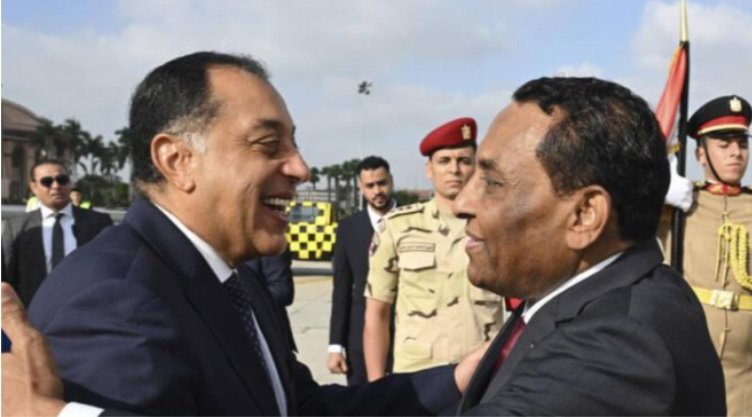
Jimco 8 Aug 2025 {HMC} Madaxweynaha Dalka Masar Abdel Fattah el-Sissi, ayaa Khamiistii magaalada Qaahira ku soo dhaweeyay Ra’iisul Wasaaraha cusub ee Suudaan, Kamil al-Taib Idris, iyadoo labada dal ay si qoto dheer uga wada hadleen arrimaha Wabiga Nile iyo iskaashiga laba geesoodka ah.
Kulanka oo uu ka qaybgalay Ra’iisul Wasaaraha Masar, Mustafa Madbouly, ayaa lagu qabtay shir jaraa’id oo wadajir ah, halkaas oo Madbouly uu si adag uga soo horjeestay “tallaabooyinka keli ah ee Itoobiya ay weli ku waddo arrinta Wabiga Nile.”
“Masar waxay mar walba diidday in tallaabo hal dhinac ah lagu xalliyo arrin khuseysa biyo noloshooda muhiimka u ah laba dal,” ayuu yiri Madbouly.
Bishii hore, Masar waxay sheegtay in Itoobiya aysan weligeed muujin doonin rabitaan siyaasadeed oo dhab ah si loo gaaro heshiis waajib ah oo ku saabsan biyo-xireenka weyn ee ay dhammaystirtay, taasoo la xiriirta xuquuqda biyaha Wabiga Nile ee Masar iyo Suudaan.
Masar ayaa muddo dheer kasoo horjeedday mashruuca Itoobiya, iyadoo ka cabsi qabta in uu yareeyo saamiga biyaha Wabiga Nile ee dalkaasi, kuwaas oo muhiim u ah wax-soosaarka beeraha iyo nolosha ku dhowaad 100 milyan oo Masriyiin ah.
Ra’iisul Wasaare Kamil al-Taib Idris, oo safarkiisa ugu horreeya dibadda ah tan iyo markii uu xaiska la wareegay, ayaa sheegay in “is-afgarad” iyo “midnimo aragtiyeed” laga gaaray qodobadii la isla soo qaaday intii kulamadu socdeen.
Isagoo hadalkiisa sii wata, Idris wuxuu xusay xaaladda adag ee dalkiisa uu wajahayo, isagoo sheegay in iskaashigaderiska uu muhiim u yahay sidii Suudaan uga soo kaban lahayd dhibaatada.
Dagaalka awood-qaybsiga ee u dhexeeya militariga Suudaan iyo ciidamada RSF (Rapid Support Forces) ayaa sababay musiibo bini’aadantinimo oo baaxad leh.
In ka badan 40,000 oo qof ayaa lagu dilay dagaalka, halka uu sababay mid ka mid ah qulqulka barakacayaasha ugu weyn caalamka. In ka badan 7 milyan oo qof ayaa ku barakacay gudaha dalka, iyadoo colaaduhu ku diyeen inta badan gobollada Suudaan.
Caasimadda Khartoum ayaa si weyn loo burburiyay, iyadoo ay ku jiraan madaxtooyadii iyo garoonkii diyaaradaha, balse hadda dib u soo kabasho tartiib ah ayay ku jirtaa, iyadoo dadkii deegaanka ay bilaabeen inay ku laabtaan halka suuqyadii qaar dib loo furay. Si kastaba, adeegyada aasaasiga ah sida korontada iyo biyaha ayaan weli si buuxda uga shaqayn magaalada.
Masar ayaa martigelisay tirada ugu badan ee qaxootiga Suudaan laga soo barakiciyay, iyadoo in ka badan 1.5 milyan oo qof ay u gudbeen xadka woqooyi ee Masar tan iyo bilowgii dagaalka.