


Isniin 28, July 2025 {HMC} Maxaa Ka jiro in ciidamada Itoobiya ay Gubeen hubkii Nisa ee Dooloow?.
HOOS KA DAAAWO MUUQAALKA.
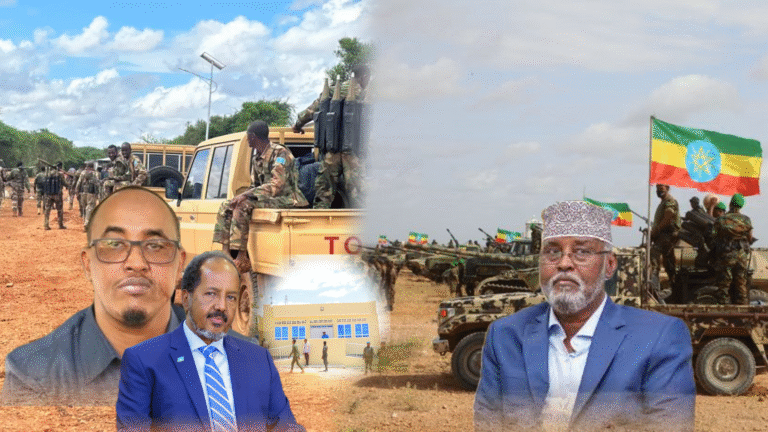
Isniin 28, July 2025 {HMC} Maxaa Ka jiro in ciidamada Itoobiya ay Gubeen hubkii Nisa ee Dooloow?.
HOOS KA DAAAWO MUUQAALKA.

Monday 28, July, 2025 {HMC} Ethiopia is preparing to formally inaugurate the Grand Ethiopian Renaissance Dam (GERD) in September 2025, marking the culmination of over a decade of construction on what is set to become Africa’s largest hydropower project. The announcement comes amid persistent regional tensions, as Egypt and Sudan continue to oppose Ethiopia’s unilateral management of the dam on the Blue Nile, a crucial artery of the Nile River system shared by all three countries.
While Addis Ababa hails the GERD as a national triumph and a symbol of economic self-reliance, the project remains a source of diplomatic friction in the Nile Basin. Despite repeated calls by Egypt and Sudan for a legally binding agreement on the dam’s filling and operation, Ethiopia has moved forward with construction and reservoir filling without a trilateral consensus.
Strategic and Symbolic Milestone for Ethiopia
The GERD, located near the Sudanese border in Ethiopia’s Benishangul-Gumuz region, has been a flagship infrastructure project for successive Ethiopian governments. It is expected to generate over 6,000 megawatts of electricity—doubling Ethiopia’s current capacity—and has been promoted as a critical engine for domestic industrialization, rural electrification, and regional power exports to countries such as Sudan, Kenya, and Djibouti.
The upcoming inauguration ceremony, reportedly scheduled to coincide with Ethiopia’s New Year celebrations in September, will showcase the final phase of the dam’s construction. Government officials in Addis Ababa have extended formal invitations to leaders from across the continent, including Egypt and Sudan, in what they describe as a gesture of goodwill and regional inclusion.
The GERD’s financing has been touted as uniquely Ethiopian—funded primarily through domestic bond sales and citizen contributions rather than external loans. For many Ethiopians, the dam has become a unifying national symbol during a period of internal challenges, including ethnic tensions, civil unrest, and economic strain.
Cairo and Khartoum Reaffirm Concerns Over Unilateralism
Egypt and Sudan, both downstream Nile countries, have repeatedly warned against Ethiopia’s unilateral approach to managing the GERD. Cairo, which depends on the Nile for over 95% of its fresh water needs, views the dam as a potentially existential threat to its national water security. Sudan has raised its own concerns, particularly over the risks of uncoordinated water releases that could threaten its dams and urban areas along the Blue Nile.
Since 2011, several rounds of negotiations involving the three countries—mediated at various times by the African Union, the United States, and the European Union—have failed to produce a binding agreement. While Ethiopia has proceeded with successive stages of reservoir filling, Egypt and Sudan have maintained that any operational framework must include clear, enforceable rules on water management, data sharing, and dispute resolution, especially during periods of drought.
In July 2021, the UN Security Council referred the issue back to the African Union for regional mediation, underscoring the lack of international consensus and the complexity of the dispute. However, little tangible progress has been achieved since.
Regional Implications and Geopolitical Dimensions
Beyond its immediate hydrological impact, the GERD dispute reflects broader tensions over transboundary resource governance in Africa. The Nile River, which flows through 11 countries, has historically been governed by colonial-era agreements that granted Egypt and Sudan significant control over the river’s waters. Ethiopia and other upstream countries have long contested the legitimacy of these arrangements, calling for a more equitable allocation of water resources.
Ethiopia argues that the GERD does not seek to harm downstream countries and that its primary purpose is energy generation, not irrigation or water diversion. Nonetheless, Egypt and Sudan continue to express concern that, without a formal and enforceable operating agreement, their economies and populations remain vulnerable to unpredictable water flows and future water scarcity.
In recent years, Egypt has intensified its diplomatic efforts to raise international awareness of the GERD issue, presenting it as a matter of regional stability and water justice. At the same time, Ethiopia has reaffirmed its position that the dam is a sovereign national project and has rejected what it views as attempts to “internationalize” a regional issue.
Dam Completion and Future Water Management
With the construction of the dam structure now largely complete, and the reservoir nearing full capacity, attention is shifting to the operational phase of the GERD. This includes managing the annual inflows of the Blue Nile, which contribute approximately 85% of the Nile’s total volume, and determining how releases will be handled during dry years or extreme weather events.
Water experts have warned that coordinated management is essential not only to prevent disruptions in downstream water availability, but also to ensure that the dam itself operates efficiently and sustainably. In the absence of cooperation, there is a risk that mismanagement or unilateral decision-making could trigger environmental, agricultural, or humanitarian consequences throughout the basin.
While Ethiopia continues to emphasize the GERD’s developmental potential, Cairo and Khartoum are unlikely to soften their stance without concrete commitments on water governance, transparency, and conflict mitigation mechanisms.
Outlook: Diplomacy or Deadlock?
The inauguration of the GERD represents a turning point—not only for Ethiopia’s domestic energy ambitions, but also for the politics of the Nile. Whether this milestone becomes a step toward regional integration or a symbol of entrenched division depends largely on the willingness of all parties to re-engage in constructive dialogue.
Egypt and Sudan have consistently affirmed their readiness to negotiate in good faith, provided the outcome leads to a binding agreement that safeguards their vital water interests. Ethiopia, for its part, insists that any future agreement must preserve its sovereign rights to development.
With no new negotiations currently scheduled, the path forward remains uncertain. For the more than 250 million people who live along the Nile’s banks in Ethiopia, Sudan, and Egypt, the outcome of this long-running dispute will have far-reaching implications—not only for water security, but for regional peace, cooperation, and sustainable development.

By Taha Sakr
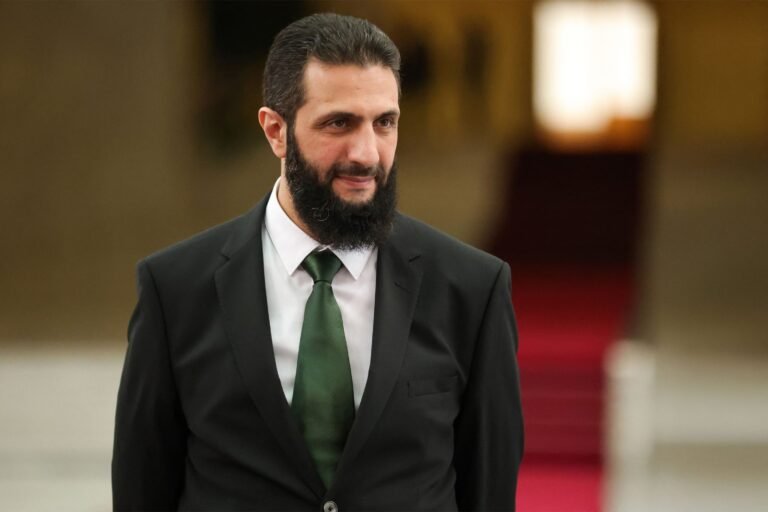
Isniin, 28 Jully 2025 {HMC} Dalka Suuriya ayaa la filayaa in laga qabto doorashooyinka baarlamaanka bisha Sebtembar, sida uu shaaciyay, Guddoomiyaha Guddiga Sare ee Doorashooyinka Golaha Shacabka, Maxamed Taha al-Axmad
Doorashooyinka ayaa la qaban doona inta u dhaxeysa 15 ilaa 20-ka Sebtembar, waana kuwii ugu horreeyay ee dalka ka dhaca tan iyo markii xukunka laga tuuray Madaxweynihii hore Bashaar al-Asad.
Waxaa la filayaa in saddex meelood meel kuraasta Golaha Shacabka oo tiradoodu tahay 210, uu magacaabo Madaxweyne Kumeelgaarka ah Axmed al-Sharaa, halka inta kale lagu soo dooran doono codbixin guud.
Sida uu sheegay xubin kale oo guddiga doorashooyinka ka tirsan, Xasan al-Daghiim, wareysi uu siiyay bogga Erem News, waxaa gobol kasta oo Suuriya ah laga hirgelin doonaa gole doorasho oo maamula kuraasta la dooranayo.
Doorashadan ayaa imaanaysa iyadoo Suuriya ay wali wajahayso caqabado siyaasadeed iyo kuwo amni, balse maamulka cusub ayaa ku adkeysanaya in doorashada ay horseedi doonto xasilooni siysiyaasadeed.
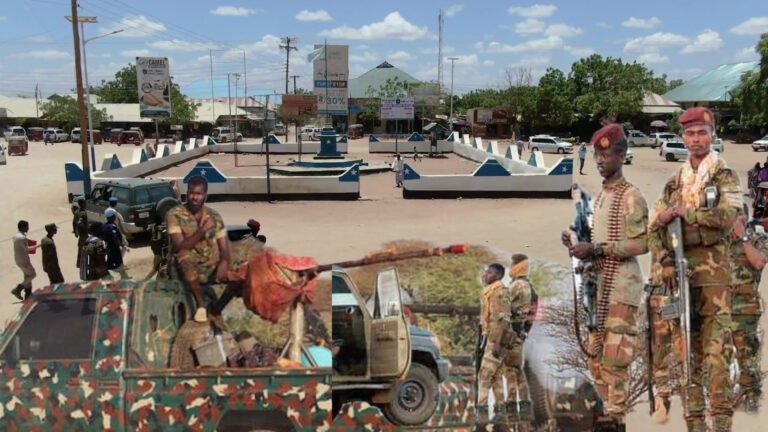
Isniin 28, July 2025 {HMC} Jubaland oo war adag kasoo saartay Xaalada Gedo iyo dagaaladii ugu Dambeeyay.
HOOS KA DAAAWO MUUQAALKA.
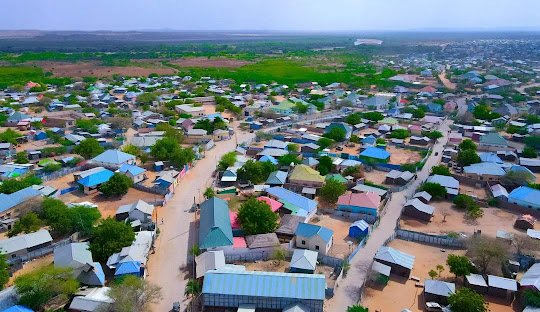
Isniin, 28 Jully 2025 {HMC} Warar dheeraad ah ayaa ka soo baxaya xaaladda magaalada Doolow oo saacadihii la soo dhaafay ay ku dagaalameen Ciidanka Soomaaliya iyo kuwa Itoobiya.
Ilo xog ogaal ah ayaa inoo xaqiijiyay in ciidanka Itoobiya oo taageero ka helaya kuwa Jubbaland ay weerar ku qaadeen Saldhig ay Ciidamada Hay’adda Nabad Sugida ee NISA ku leeyihiin magaalada Doolow ee gobolka Gedo.
Dagaalka ayaa waxaa ka dhashay khasaare isugu jira dhimasho iyo dhaawac, iyadoo dhinacyada ay is weedaarsadeen rasaas iyo madaafiic.
Wararka ayaa intaasi ku daraya ciidanka Itoobiya u suuragashay in ay gudaha u galaan xirada ciidan ee NISA, iyaga oo gubay saanad ciidan oo halkaasi tiilay.
Sidoo kale, waxaa weerarka ku dhaawacmay saraakiil ciidan, wallow aan tirada rasmiga ah ee khasaaraha laheyn.
Saaka xaaladda magaalada Doolow ayaan daganeyn, iyadoo halkaasi ay ku sugan yihiin ciidanka Itoobiya.
Weli Dowladda Soomaaliya kama hadlin dagaalka Doolow iyo xaaladda magaaladaasi.
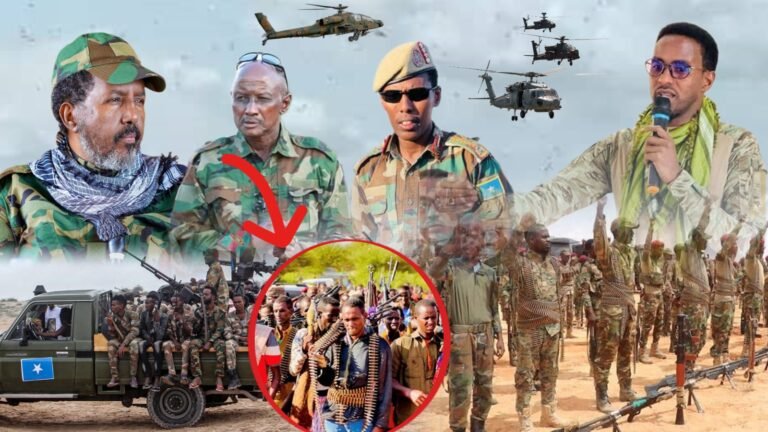
Isniin, 28 Jully 2025 {HMC} Dhageystayaal halkan waxa aan idiin kugu soo gudbi neynaa Warka Subaxnimo ee Warbaahinta Hiiraanweyn.
Warka waxaa soo jeedinayo : Mustaf Cali Cadoow
Farsamadii : Muuse Cali Xeroow
HOOS KA DHAGAYSO WARKA SUBAXNIMO
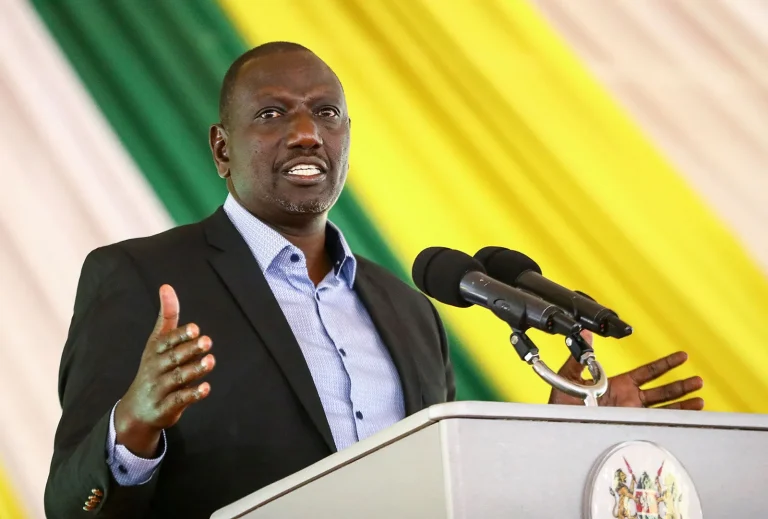
Monday 28, July, 2025 {HMC} President William Ruto on Sunday reiterated his government’s commitment to ensuring free, accessible, and quality education for all Kenyan children, describing education as “the greatest gift a society can give to its young people.”
Speaking during a church service at ACK St Martin’s Light Industries Church in Kariobangi, Nairobi, the President highlighted ongoing investments aimed at expanding education access and improving learning conditions across the country.
“Free primary education is the right of every Kenyan,” Ruto said. “Over the last two years, we have taken several measures to ensure education is truly universal and accessible.”
He noted that his administration has invested in the construction of new classrooms to reduce overcrowding, particularly in urban areas such as Nairobi.
“To ensure no one is left behind, we have also increased funding to universities and employed more than 70,000 teachers in the last two years. We plan to hire an additional 24,000 teachers by the beginning of next year,” the President added.
In a bid to maintain stability in the education sector, Ruto cited the recent signing of a Collective Bargaining Agreement (CBA) with teachers that will run until 2029, a move aimed at averting persistent strikes in the sector.
“I assure you that the access and quality of education cannot be compromised,” he stated, assuring of his government’s commitment to make education not only affordable and inclusive, but also of good quality and relevant to Kenya’s development needs.
Ruto’s comments came a day after his deputy, Kithure Kindiki, assured that the government has no plans to cut funding for free primary and secondary education, promising enhanced financing for the critical sector.
Kindiki on Saturday said the Kenya Kwanza Administration will not roll back gains made in the sector, noting the increased funding allocated to the sector and recruitment of a record number of teachers since Ruto came to power in 2022.
Treasury Cabinet Secretary John Mbadi has, however, said that the government can no longer fully fund free primary and secondary education, insisting that Kenya’s budgetary limitations make it impossible to achieve full capitation for every learner.
He told a Parliamentary committee on Thursday that the financial burden of free education is too heavy for the State to sustain, intimating that parents will soon be forced to dig deeper into their pockets.
In a follow-up address to clarify his position, which sparked outrage, Mbadi on Friday maintained that while education remains a key government priority, the current financial muscle cannot meet the full cost per student — a reality he accuses some leaders of conveniently ignoring.

By Vincent Afande

Monday 28, July, 2025 {HMC} Islamist militants took control of the strategic town of Maxaas in central Somalia on Sunday after heavy fighting with the army and local militias, military sources said.
The Al-Qaeda-linked Al-Shabaab has taken dozens of towns and villages since launching an offensive early this year, reversing almost all of the gains made by the government in its own military campaign in 2022 and 2023.
In a statement, Al-Shabaab said it had taken the town of Maxaas, around 300 kilometres (186 miles) from the capital Mogadishu, which is considered a strategic hub for transport and logistics in the central region.
Members of the Somali National Army confirmed the fall of Maxaas, though claimed it was a “tactical retreat”.
Mohamed Dahir, an army commander in the area, told AFP that Al-Shabaab had attacked with “car bombs and hundreds of heavily armed” fighters early on Sunday.
“The brave members of the Somali army and the local community militias fought them fiercely outside town before making a tactical retreat to pre-established defensive positions outside town,” he said by phone.
Maxaas had been held by Ethiopian troops, part of the African Union’s security force, until they handed over the military base to the Somali National Army in August 2024.
The government had also relied on the support of local militias opposed to Al-Shabaab.
“Al-Shabab militants managed to enter the town after heavy fighting this morning,” Ali Hayo, a local militia fighter told AFP by phone, speaking from a nearby location.
“There is still sporadic gunfire outside town, but I can confirm that the terrorists are now controlling Maxaas.
“The fighting is not over, we are still close to the town, and we are expecting to engage in counteroffensives,” he said.


Monday 28, July, 2025 {HMC} Families living in Qurdubey displacement camp in Dollow say the allocation of cash aid to less than 10 per cent of the camp’s population is forcing everyone to eat less, as the resources are being shared among many other relatives and neighbours.
Only 700 of the 8,000 families in the camp in southern Somalia’s Gedo region have been selected to receive a monthly $55 cash transfer provided by the UN’s World Food Programme (WFP).
Mohamed Mohamed Sahal, 75, is not on the list of beneficiaries for this aid that began in May and is set to end in October.
When a beneficiary family he knows buys food, they give him some flour, rice, pasta and cooking oil. When that runs out, he goes out begging.
“A family from my neighbourhood received their cash yesterday and shared a few kilos with me. I then got some cooked food from a relative, just plain rice with nothing added, no vegetables, no other ingredients. The children eat that plain rice for one meal,” Mohamed said.
Whatever raw food, cooked food or coins he gets from begging, he brings home to his wife and six children. Some days he returns empty handed.
This former construction labourer has had no paid work for seven months, and the last assistance he received was an $85 WFP cash grant in 2023.
“From the first month of this year up to this seventh month, I haven’t found any work, there’s no activity going on. Now my children and household are worse off. I have no livestock, I am destitute. I am just that father living there doing nothing!”
Mohamed lost 62 goats and 11 camels to drought in Bakool in 2022 and came to Qurdubey hoping for a better life. They live in a flimsy plastic sheet shelter that offers little protection.
“In life food and shelter are the most important things. At night we face cold, and during the day the sun melts the plastic sheeting on our house. The traders in this camp, from whom I used to take goods on credit when I was working, have now refused me due to my lack of income. Therefore, this month we are in, July, is the worst for us, and we are very weak,” he told Radio Ergo.
Among the 700 registered beneficiaries of the WFP cash aid is Sahra Omar Abdi, 41, who supports seven children. She bought 55 kg of rice, flour and sugar, some pasta and three litres of oil with the last transfer and shared a portion with two neighbouring families.
“Our religion says you shouldn’t while your brother is hungry, it’s not even part of humanity to ignore a needy person,” said Sahra.
Her own household runs short of food before the month ends, and she cannot afford school fees for the children.
“Whoever complains is told it will get worse – so we don’t want to complain too much. What we were given helped us, but a small amount of aid doesn’t solve a big problem permanently. If out of 100 people in the camp, 50 are helped, the rest are still needy, they are suffering. That’s why we need more aid,” Sahra stated.
Sahra used to sell khat inside the camp but her business closed up last December when suppliers demanded cash up front and she couldn’t pay.
Before coming to Qurdubey, she ran a shop in Rabdhure, Bakool, which closed in 2022 after drought drove her pastoralist customers away, leaving her with debts of more than $2,000.
As a coping mechanism, Abdullahi Mohamed Jire, aged 74 and disabled in both legs, sent his six children away to live with various rural relatives in March because he could not feed them.
“The children have been here for five months with nothing – isn’t that reason enough to disperse them? I’m living on the generosity of other families. If hardship could help, I’ve already endured plenty. If I spent the whole day recounting our problems, we would die of thirst before I finished. How can children – alive but with nothing, and a father too weak to provide – possibly remain here? I asked which of our relatives could take a child and then turned to people for help; everyone rushed to assist,” Abdullahi explained.
“My own situation isn’t that good. I survive on getting one cup of tea from that family, a cup of tea from another, or a piece of bread. If it’s not available, then it’s not. I have no other way, I can’t beg around and I can’t work. So that’s the problem, I’m living as a dependent on other families and well-wishers, and most of them have nothing themselves.”
Camp leader, Abdullahi Hassan Ahmed, said that households judged most vulnerable qualified for the six-month WFP cash aid. He fears hunger will worsen when the payments end.
Clearly, however, many who are extremely vulnerable were missed. There are also many people who have lived for months in the camp who have never even been registered.
Qurdubey has no school or clinic. Water is the sole free service, trucked in by aid groups. Most residents living in the camps were livestock herders or farmers who lost everything to drought and conflict.


Isniin 28,July 2025 {HMC} Ciidanka Booliska ee Gobalka Banaadir ayaa gacanta ku soo dhigay shan (5) eedeysane oo ku lug lahaa muuqaal lagu faafiyay baraha bulshada, kaasi oo si been abuur ah u muujinayay Askari dharcad ah oo dhacaya qof jalaatoole ah, sida lagu sheegay war ka soo baxay Booliska Soomaaliya.
Baaritaanno degdeg ah oo ay sameeyeen Ciidanka Booliska ayaa lagu xaqiijiyay in muuqaalku ahaa jiliin si ula kac ah loo sameeyay, ujeedadiisuna ahayd sumcad-dil iyo marin habaabin ka dhan ah hay’adaha amniga, Shanta (5) eedeysane ayaa hadda ku jira gacanta Booliska, waxaana si degdeg ah loo horgeyn doonaa Maxkamadda awoodda u leh.
Boolisku wuxuu uga digayaa shacabka faafinta warar aan la hubin, si looga hortago dacaayado wax u dhimaya amniga iyo kalsoonida shacabka, Cid kasta oo lagu helo abuurka, duubista ama faafinta muuqaallo noocan ah, waxaa laga qaadi doonaa tallaabo sharci ah.