

Isniin, 18 August 2025 {HMC} Dhageystayaal halkan waxa aan idiin kugu soo gudbi neynaa Warka Subaxnimo ee Warbaahinta Hiiraanweyn.
Warka waxaa soo jeedinayo :Mustaf Cali Cadoow
Farsamadii :: Muuse Cali Xeroow
HOOS KA DHAGAYSO WARKA SUBAXNIMO
Isniin, 18 August 2025 {HMC} Dhageystayaal halkan waxa aan idiin kugu soo gudbi neynaa Warka Subaxnimo ee Warbaahinta Hiiraanweyn.
Warka waxaa soo jeedinayo :Mustaf Cali Cadoow
Farsamadii :: Muuse Cali Xeroow
HOOS KA DHAGAYSO WARKA SUBAXNIMO
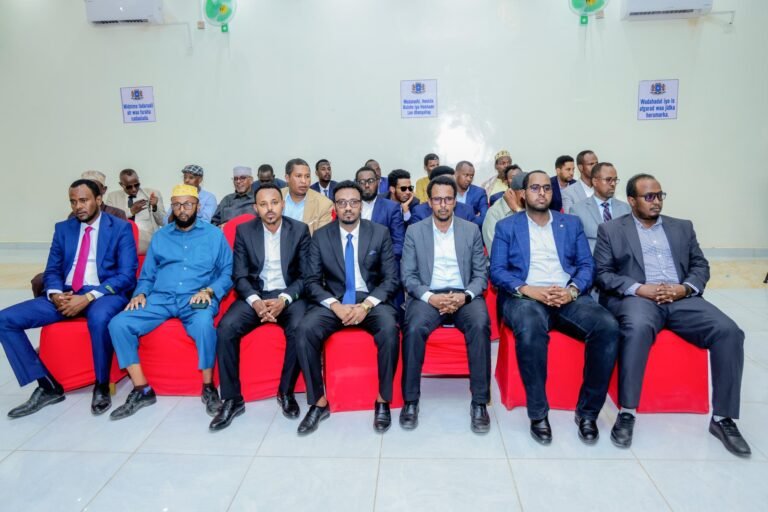
Isniin 18 Aug 2025{HMC} Waxaa halkan ka Akhrisataa liiska 83-ka Xildhibaan ee Maamulka Cusub ee Woqooyi-Bari iyo beelaha ay ka soo kala jeedaan.
Baarlamanka cusub ee dawlad goboleedka Woqooyi bari Soomaaliya iyo sida ay u kala heleen beelaha daga deegaanada maamulkaas.
Xildhibaanadda Dhinaca SSC-Khaatumo ka yimi.
1- Ismaaciil Cabdi Maxamuud guutaale, Dhulbahante/Naalaye Axmed
2- Yaasiin Maxamed Cigaal, Dhulbahante/Naalaye Axmed
3- Jibriil Ciise Duulane, Dhulbahante/Naalaye Axmed
4- Cabdinaasir Maxamed Cawil (Quduf), Dhulbahante/Naalaye Axmed
5- Dr. Mahdi Cabdiraxmaan Cilmi, Dhulbahante/Naalaye Axmed
6- Cabdirisaaq Cismaan Oogle, Dhulbahante/Naalaye Axmed
7- Cabdiqaadir Cabdi Warsame, Dhulbahante/Nuur Axmed
8- Cabdiqaadir Abshir Diiriye, Dhulbahante/Nuur Axmed
9- Axmed Cabdi Cali-shire, Dhulbahante/Waceys Cabdulle
10- Jibriil Aw-cali Ciise, Dhulbahante/Gaboobe
11- Yaasiin Saalax Guuleed, Dhulbahante/Cumar wacays
12- Maxamuud Salaad Warsame, Dhulbahante/Jaamac Siyaad
13- Cabdirisaaq Cali Xuseen, Dhulbahante/Jaamac Siyaad
14- Cabdirisaaq Warsame Xayir, Dhulbahante/Jaamac Siyaad
15- Maxamed Xasan Ismaaciil, Dhulbahante/Jaamac Siyaad
16- Fihiima Yuusuf Quuje, Dhulbahante/Jaamac Siyaad
17- Aadan Cabdi Xuseen, Dhulbahante Bahararsame
18- Cabdiqani Khaliif Maxamed, Dhulbahante Bahararsame
19- Maxamed Muuse Abokor, Dhulbahante Bahararsame
20- Faarax Jaamac Cabdicasiis, Dhulbahante Bahararsame
21- Cabdixakiin Jaamac Dalmar, Dhulbahante/Barkad
22- Cabdirisaaq Ibraahim Aadan, Dhulbahante/Barkad
23- Siciid Ibrahim Axmed, Dhulbahante/Barkad
24- Maxamuud Cismaan Nuur, Dhulbahante/Barkad
25- Maxamuud Cabdiraxmaan Yuusuf, Dhulbahante/Axmed Garaad
26- Maxamuud Axmed Ibraahin, Dhulbahante/Axmed Garaad
27- Guuleed Maxamed Nuux, Dhulbahante/Axmed Garaad
28- Xasan Cabdi Ismaaciil, Dhulbahante/Axmed Garaad
29- Cawil Cumar Faarax, Dhulbahante/Axmed Garaad
30- Saleebaan Aadan Cilmi, Dhulbahante/Axmed Garaad
31- Cabdirisaaq Maxamed X. Axmed, Dhulbahante/Xasan Ugaas
32- Daahir Maxamed Cumar, Dhulbahante/Xasan Ugaas
33- Cali Maxamed Jaamac, Dhulbahante/Xaamud Ugaas
34- Mubaarak Cumar Cabdiwaaxid,Dhulbahante/Maxamuud Ugaas
35- Maxamed Maxamuud Cali, Dhulbahante/Khaalid
36- Daahir Cabdirisaaq Ingaydh, Dhulbahante/Khaalid
37- Cali Diiriye Ducaale, Dhulbahante/Yaxye
38- Khadar Saleebaan Cabdi, Dhulbahante/Yaxye
39- Cabdi Muuse Axmed, Dhulbahante/Qayaad
40- Cabdiqafaar Maxamuud Maxamed, Dhulbahante/Qayaad
41- Cabdixamiid Daahir Maxamed, Dhulbahante/Hayaag
42- Xamse Cabdullaahi Maxamuud,Dhulbahante/Hayaag
43- Cabdiraxmaan Cabdi X. Faarax, Dhulbahante/Maxamed Muuse
44- Cabdirisaaq Jaamac Warsame, Madhibaan
45- Mukhtaar Axmed Maxile, Geri Koombe
46- Maxamed Nuur Cali, Kaskiqabe
47- Cabdikariin Cali Yuusuf, Fiqishinni
48- Cabdisahal Jaamac Maxamed, Fiqishinni
49- Aadam Cabdullaahi Aw-xasan, Fiqishinni.
_________
Xildhibaanadda Ku Abtirsada Maakhir State.
1-Xildhibaan Maxamed Maxamuud Cismaan Warsangeli/Dubbeys/Ugaadhyahan – R.Yuusuf
2-Xildhibaan Siciid Dalmar Faarax Warsangeli/Dubbeys/Cismaan Ugaadhyahan
3-Xildhibaan Shaafici Maxamed Cali Ahmed Harti/ Moorcase/ Tiinle/ Reer Ugaas
4- Xildhibaan Axmed Cali Maxamed Warsangeli/Dubbeys/ Ugaadhyahan/R.Xasan
5-Xildhibaan Maxamuud Aadan Faarax [Kilwe] Warsangeli/Dubbeys/Xaniif
6-Xildhibaan Cabdifataax Xassan Aadan Warsangeli/Dubbeys/ Reer Cumar
7-Xildhibaan Sahal Cabdi Maxamed Warsangeli/Dubbeys/ Reer Maxamed
8-Xildhibaan Axmed Cabdi Xassan Warsangeli/Dubbeys/ Reer Maxamed
9-Xildhibaan Maxamed Cabdilaahi Ibrahim Warsangeli/Dubbeys/Reer Cali Muuse
10-Xildhibaan Axmed Maxamuud Cumar Warsangeli/Dubbeys/ Reer Ugaar
11- Xildhibaan Amran Axmed Xassan Warsangeli/Dubbeys/ Xuseen Adarees
12- Xildhibaan Cabdicasiis Cabdilaahi Maxamed Maxamuud Harti/Hinjiye
13- Xildhibaan Xaliimo Axmed Cismaan Warsangeli/Cumar/Xuseen Ciise
14-Xildhibaan Saalax Jaamac Xirsi Warsangeli/Cumar/Muxumud
15- Xildhibaan Maxamuud Cumar Axmed Warsangeli/Cumar/Garaad Cabdalle
16- Xildhibaan Faysal Xaashi Cumar Majeerteen/Gahalaye
17-Xildhibaan Axmed Maxamed Axmed Warsangeli/Ogayslabe
18-Xildhibaan Axmed Siciid Faarax Warsangeli/Cumar/Garaad Cabdalle
19-Xildhibaan Maxamed Maxamuud Ducaale Warsangeli/Cumar/Garaad Cabdalle
20-Xildhibaan Makhtal Siciid Maxamed Warsangeli/Cumar/Garaad Cabdalle
21-Xildhibaan Muna Cabdilaahi Maxamed Warsangeli/Cumar/Garaad Cabdalle
22-Xildhibaan Maxamuud Maxamed Saalax Warsangelu/Cumar/Garaad Cabdalle
23-Xildhibaan Axmed Cabdi Xassan Warsangeli/Cumar/Gaashaanbuur
24-Xildhibaan Maxamed Cabdi Shire Warsangeli/Cumar/Gaashaanbuur
25-Xildhibaan Cabdiqani Cali Ismaciiil Warsangeli/ Cumar/Aadan Siciid
26-Xildhibaan Axmed Cali Xuseen Warsangeli/Cumar/Aadan Siciid
27-Xildhibaan Axmed Cabdigaadir Axmed Warsangeli/Cumar/Nuux Cumar
28-Xildhibaan Siciid Cabdiraxman Colaad Warsangeli/Cumar/ Nuux Cumad.
29-Xildhibaan Cabdisalaan Cabdilaahi Maxamed Warsangeli/Cumar/ Reer Saalax
30-Xildhibaan Cabdiraxmaan Daahir Siciid Warsangeli/Cumar/Reer Saalaax
31-Xildhibaan Cabdikani Cabdilaahi Cabdiraxmaan Warsangeli/Cumar/Garaad Cabdalle
32-Xildhibaan Cabdi Ismaaciil Axmed (Burkuud) Warsangeli/Cumar/ Garaad Cabdalle
33-Xildhibaan Khaalid Siciid Saalax
Warsangeli/Warlabe 34-Xildhibaan Saadiq Jaamac Muuse
1- Beesha Dhulbahante waxay heshay 43 Xildhibaan.
2- Beesha Warsangali waxay heshay 32 Xildhibaan.
3- Beesha Fiqi Shini waxay heshay 3 Xildhibaan.
4- Beesha Madhibaan waxay heshay 1 Xildhibaan.
5- Beesha Kaskiqabe waxay heshay 1 Xildhibaan.
6- Beesha Tiinle waxay heshay 1 Xildhibaan.
7- Beesha Siwaaqroon waxay heshay 1 Xildhibaan.
8- Beesha Geri Koombe waxay heshay 1 Xildhibaan.
Wadar-guud waa ee Xildhibaanada Maamulka waqooyi bari Soomaaliya waa 83 Xildhibaan.
Fiira gaar ah Kama dhigna Qabyaalad ee waxay ka turjumaysaa inaad si fudud u fahamto metelaada beeshaadu ka heshay awood qaybsiga Baarlamaanka Woqooyi-Bari.
Xigasho Maxamed Yuusuf Bakayle.

Isniin 18 Aug 2025{HMC} Israa’iil gudaheeda, shaqo joojin guud oo hal maalin ah ayaa la filayaa in la qabto maanta oo Axadd ah, si looga mudaaharaado qorshaha dowladda ee ah in la qabsado magaalada Qasa.
Qoysaska dadka la haysto iyo dad kale ayaa codsaday shaqo joojinta, iyaga oo sheegaya in fidinta dagaalka ay khatar weyn gelinayso nolosha Israa’iiliyiinta ay Xamaas hayso.
Arrintani waxay imaaneysaa toddobaad kadib markii golaha dagaalka ee Israa’iil uu u codeeyay in la qabsado magaalada Qasa, oo ah magaalada ugu weyn dhulkaas iyo in dadka halkaas ku nool la barakiciyo, tallaabadaas oo Golaha Amaanka ee Qaramada Midoobay uu cambaareeyay.
“Si loo diyaariyo in shacabka laga raro goobaha dagaalka looguna raro koonfurta Marinka Qasa ayaa dib loo bilaabi doonaa keenista teendhooyinka iyo qalab hoy u noqon kara shacabka Qasa,” ayay tiri hay’adda milateriga Israa’iil ee COGAT.
Afhayeen u hadlay maamulka magaalada Qasa ayaa sheegay in barakac ballaaran uu mar hore ka bilowday xaafadda Zaytuun, kadib lix maalmood oo duqeymo cirka ah, madaafiic iyo burburin joogto ah oo Israa’iil ka geysatay halkaas.

Isniin 18 Aug 2025{HMC} “Cambaha, oo uu ku badanyahay macaanka iyo noocyadiisa kala duwan ayaa ah mid muhiim ka ah xilliga xagaaga Hindiya, waana mid la fahmi karo sababta ay dadku u rabaan inay ku raaxaystaan cunistiisa,” ayuu yiri Rahul Baxi.
Si kastaba ha ahaatee, su’aashan fudud, ayuu sheegayaa in ay ku timid fikrado khaldan – oo u dhexeeya aaminsanaanta in cambaha si adag looga fogaado, iyadoo dadka kasoo hor jeeda ay la tahay in cunista xad-dhaafka ah ee camabaha “ay u darnatahay cudurka macaanka”.
Xaqiiqdu waxay ku taal meel u dhaxaysa labadaas, laakiin jahwareerka arinkaasi ma ah mid ku eg xilliga. “Xaqiiqdii, bukaanno badan ayaa ku soo noqda booqashooyinka la-socodka ka dib xilliga-cambaha kaas oo badanaa leh heerarka gulukooska oo sarreeya, mararka qaarkood, sababta waxa laga yaabaa in si xad dhaaf loo dareemo mirahan la jecel yahay,” ayuu yiri Dr Baxi.
Jahwareerkan joogtada ah ayaa dad badan oo qaba cudurka macaanka ku reebay in ay ka digtoonaadaan “boqorka miraha”. Hase yeeshe, cilmi-baaris cusub ayaa soo jeedinaysa in canbaha laga yaabo in uusan ahayn mid xun sida mararka qaarkood loo maleeyo.
Laba tijaabo oo caafimaad oo Hindi ah oo cusub ayaa wax ka bedelay xigmadda cunista cuntada , taas oo soo jeedinaysa in isticmaalka cambaha oo la xakameeyo, halkii karbohaydrayt (qaabka rootiga) ay dhab ahaantii hagaajin karto sonkorta dhiigga iyo caafimaadka dheef-shiid ka, waxyabaaha kiimikada ah ee dadka qaba nooca 2aad ee cudruka macaanka
Nooca 1-aad ee xanuunka macaanku waxa uu yimaadaa marka ganaca uu soo saaro insuliin yar ama ay insuliinta uu soo saari waayo, halka nooca 2-aad, jirku uu u adkaysto saamaynta insulinta.
Nooca 2-aad ee xanuunka macaanku waxa uu ka yahay in ka badan 90% kiisaska caalamka, sida ay qabto hay’adda International Diabetes Federation (IDF). Waana sababta sideedaad ee ugu horraysa ee keenta cudurrada culus ee adduunka oo dhan, waxana la saadaalinayaa in ay kaalinta labaad geli doonto sanadka 2050. In kasta oo aan si buuxda loo fahmin, waxa ay si xooggan ugu xiran tahay miisaanka xad-dhaafka ah, da’da, qowmiyaddaha iyo taariikhda qoyska.
Hindiya, qiyaastii 77 milyan oo qaangaar ah ayaa qaba nooca 2-aad ee cudurka macaanka, halka ku dhawaad 25 milyan ay qabaan cudurka macaanka iayagoo halis sare ugu jira inay ku dhacaan cudurka, sida laga soo xigtay Ururka Caafimaadka Adduunka.
Hase yeeshee caqabadaha jira marka laga yimaado, natiijooyinka cusub waxay bixinayaan rajo la yaab leh – gaar ahaan kuwa jecel canbaha.
Daraasad tijaabo ah oo dhawaan kasoo muuqan doonta Joornaalka Yurub ee Nafaqada Caafimaadka oo ay ku qeeybgaleen 95 qof ayaa waxa ay ku ogaadeen in saddex nooc oo canbaha caanka ah ee Hindiya – Safeda, Dasheri iyo Langra – ay soo saareen maadada glycemic oo la mid ah ama ka hooseeya rootiga cad, heer ah ilaa laba saacadood oo tijaabo gulukoos ah. (Jawaabta glycemic waa sida ugu dhakhsaha badan iyo inta ay cuntadu kor u qaaddo heerka sokorowaga dhiigga ka dib markaad cunto.)
La socodka joogtada ah ee gulukooska ee dadka qaba nooca 2aad ee macaanka iyo kuwa aan la qabin in ka badan seddex maalmood ayaa lagu ogaaday in, ka qaybgalayaasha qaba xanuunka macaanka isbeddellada sonkorta cuntada ka dib ay aad u yaraayeen ka dib cunista cambaha. Maadada glycemic oo hooseysa waxay faa’iido u yeelan kartaa jirka mustaqbalka fog, sida ay cilmi-baarayaashu sheegeen.
“Cambabaha waa miro aad loo jecel yahay oo ay ku badantahay gulukooska suurtogalka ah iyo saamaynta kor u qaadista miisaanka,” ayuu yiri Dr Sugandha Kehar, qoraaga koowaad ee labada daraasadood.
“Daraasadahani waxay muujinayaan cuntooyinka koontaroolan ee loo qoray, in isticmaalka canbaha aysan waxyeello u lahayn gulukooska dhiigga oo xitaa laga yaabo inay faa’iido u yeeshaan.”
Natiijooyinka waxaa xoojiya tijaabo labaad, siddeed toddobaad ah oo lagu daabacay Joornaalka Sokorowga & Dhibaatooyinka dheef-shiid kiimikada – oo lagu qabtay Delhi’s Fortis C-DOC oo ay weheliso Golaha Hindida ee Cilmi-baarista Caafimaadka .
Soddon iyo shan qof oo qaangaar ah oo qaba nooca 2-aad ee cudurka macaanka oo ku beddelay rootigooda quraacda 250g oo cambe ah waxay arkeen horumar xagga gulukooska oo sida soonka ah, baaritaanka hemoglobin A1C (HbA1c) kaas oo cabbiraya celceliska heerarka sonkorta dhiigga, caabinta insulin, miisaanka, wareegga dhexda iyo kolestaroolka HDL. Calaamadahani waa tilmaamayaasha muhiimka ah ee xakamaynta sokorowga iyo guud ahaan caafimaadka dheef-shiid kiimikaada.
“Waxa aan kusoo bandhigay faa’iidooyinka qiyaasaha yar yar ee cambaha ee ku jira karbohaydraytyada (sdia roodhida) quraacda laba daraasadood oo faahfaahsan markii ugu horeysay, anagoo meesha ka saarnay dhammaan mala-awaalka ku saabsan saameynta dheef-shiid kiimikaadka xun iyo isticmaalkeeda,” ayuu yiri Prof Anoop Misra, oo ah qoraa sare iyo hogaamiyaha daraasadda.
“Laakiin furaha waa xakameynta iyo la socodka caafimaadka – kani maahan shati loogu talagalay cunnooyinka cambaha ee aan xadidnayn.”
Dr. BAx wax uu sheegay :in xakameynta barootiinka ay muhiim tahay, cambaha waa in la cunaa inta u dhaxeeysa cuntada in lagu daro karbohaydraytyka kale ama noocyada sonkorta leh, sida casiirka iyo caanaha macaan.
Marka laga soo tago saamaynta dheef-shiid kiimikaadka, canbaha waxa uu kaalin muhiim ah kaga jiraa nolosha Hindida – waa miro albaabbada u furaya macno ahaan iyo muuqaal ahaanba, oo xambaarsan muhiimad dhaqan, bulsho iyo xitaa diblomaasiyadeed.
Waxaa jira in ka badan 1,000 nooc oo cambe ah oo laga beero Hindiya. Joshi wuxuu qoray in cambaha Hindiya ay ku kala duwan yihiin gobol ahaan: Noocyada waqooyi iyo bari sida Langra, Dasheri, Chausa iyo Himsagar ayaa aad u macaan, halka noocyada koonfureed ay bixiyaan dhadhan macaan- oo dhanaan ah. Alphonso oo galbeedka Hindiya waxay leedahay dhadhanka iksu dheeltiran oo sonkorta iyo aashitada gaarka ah.
Waa mire udub dhexaad u ah nolosha Hindida in sanadka kalandarka laftiisa uu inta badan ka bilaabmo ubaxa canbaha. Abwaan Ghalib waxa uu canbaha ku tilmaamay ” galaas malab ah oo xiran” , waxa laga qoray boqollaal buug oo u dabbaaldegaya soo jiidashada.
XIGASHO BBC
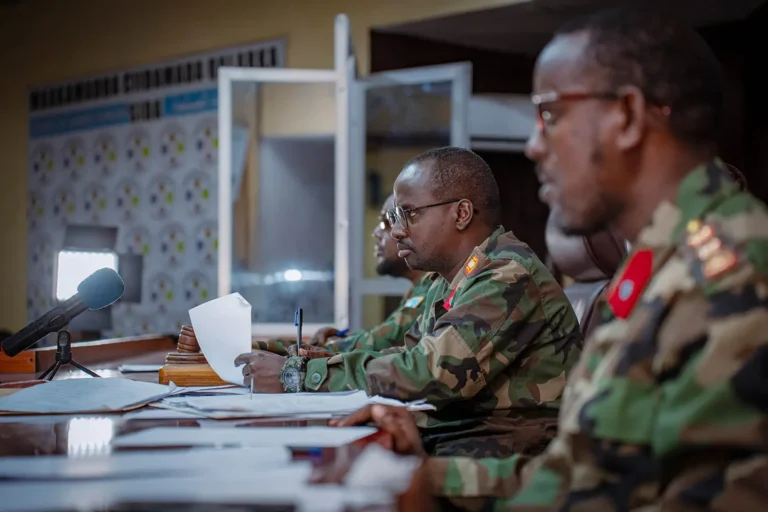
Sunday 17 Aug 2025{HMC} Sharing court clips with his 1.5m followers has made Hassan Ali Nur Shuute Somalia’s leading influencer.
In a courtroom in Mogadishu, three members of al-Shabaab’s suicide bombing division were on trial, accused of planning to bomb the city’s Doorbin hotel.
Over several trials, spanning an 11 month investigation, Colonel Hassan Ali Nur Shuute, a military judge in his late 30s known for his contemplative yet fiery line of questioning, carefully examined the evidence and pulled apart their defenses. One defendant eventually cracked. “My aim is to attack the court you are standing in, and all it represents,” he declared, with icy confidence. “My attack was directed at the followers of the infidels.”
The trial earlier this year didn’t just play out in the courtroom – filmed by Somali TV outlets, it was also chopped up into bite-size clips by Shuute’s military press team, who posted highlights to his TikTok feed and its 1.5 million followers.
Somali TikTok is both silly and deeply serious. It is part soap opera, part compelling drama – a testament to the creativity of social media users. Feeds are populated with everything from reality-style videos of lovers’ spats to opposing clans trading insults for money. But one of the country’s leading influencers is arguably Shuute, whose videos from inside the courtroom offer unique access into the country’s war on terror, streamed directly on Somali smartphones.
One day, he might be questioning a market woman on trial for being caught with explosives concealed in her produce. The next it’s al-Shabaab assassins linked to high-profile murders of government officials.
For Shuute, the war on terror is best fought in the courtroom, which he describes as “the true frontline in the battle for the rule of law”.
Somalia is at a crossroads. There is a level of political stability that hasn’t existed since the start of the civil war in 1991 and the capital is undergoing rapid transformation and growth, due to a rising number of the diaspora returning and investing in the nation. Cranes pepper the Mogadishu skyline amid new construction, with tall buildings beaming into the sky.
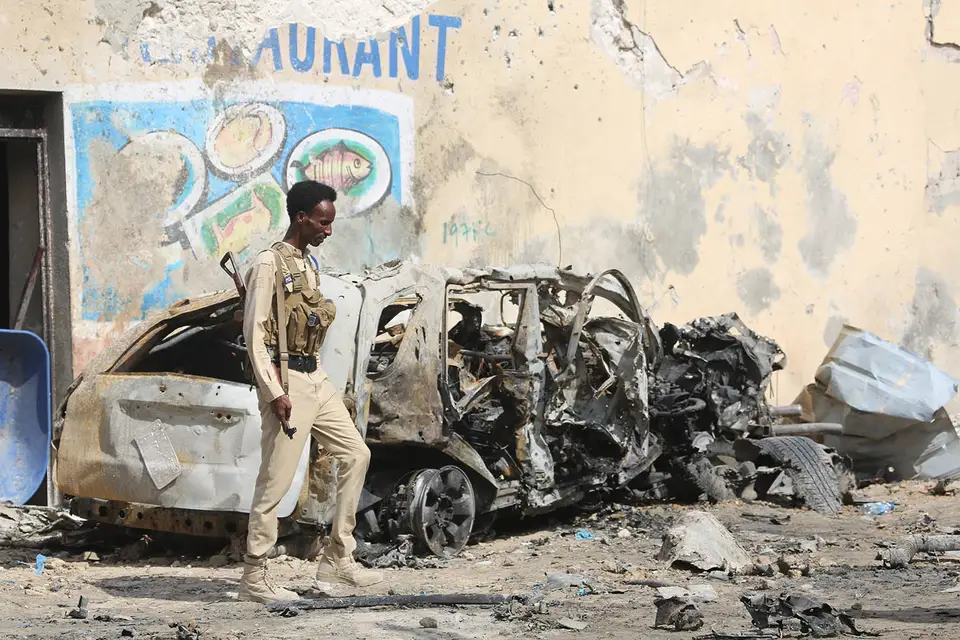
But while the government controls the capital, al-Shabaab – an al-Qaida-affiliated terror group that has operated in Somalia for two decades – continues to carry out attacks across the country.
Shuute’s online trials have lifted the veil on al-Shabaab, an organization that has for years remained shadowy and unknown. Posting clips from them has been Shuute’s attempt to expose its operations, demystify the group and build public confidence in the Somali court system.
‘Terrorist groups use social media to show power. We use it to show their real end: in a courtroom’
Hassan Ali Nur Shuute
“The reason is one simple word: transparency,” Shuute said in a phone interview from Mogadishu. “Show the Somali people – and the world – exactly how justice works. I want them to see the evidence, hear the arguments, and see the final decision. I think what makes this different is that it is direct and honest.”
Part of the reason for Shuute’s popularity is his “elegant use of Somali language and storytelling techniques,” said Ayaan Abukar, a Somali-Dutch author who has written extensively on Somali digital culture and history.
“He is very interesting to watch. You will never get bored. It’s not just, ‘Oh you committed a crime, you are going to jail.’ There is a whole story being expressed that he sets up. Starting with his questions: ‘What did you do? What was your motivation? What do you think about this now?’”
For Abukar, Shuute’s questioning parallels the “natural storytelling techniques” inherent in Somali culture, which stem from the nation’s oral culture, where poetry, songs and stories have been used for generations to pass down history and knowledge.
Security in Mogadishu has improved greatly in recent years, but the fear of al-Shabaab attacks remains high. “Watching [the trials] live on your TVs and smartphones is fascinating and it offers a sense of justice, but at the same time, everyone realizes that this is a part of the seriousness of life in Mogadishu.”
Despite Shuute’s popularity, Human Rights Watch has voiced concerns about the legitimacy of the trials, noting that the military does not have the legal authority to try civilians with alleged links to terrorist groups, as the court’s jurisdiction is limited to members of the armed forces. Lack of adequate due process was highlighted, with human rights lawyers questioning the reliability of confessions obtained while suspects were in the custody of intelligence services and their limited access to legal counsel.
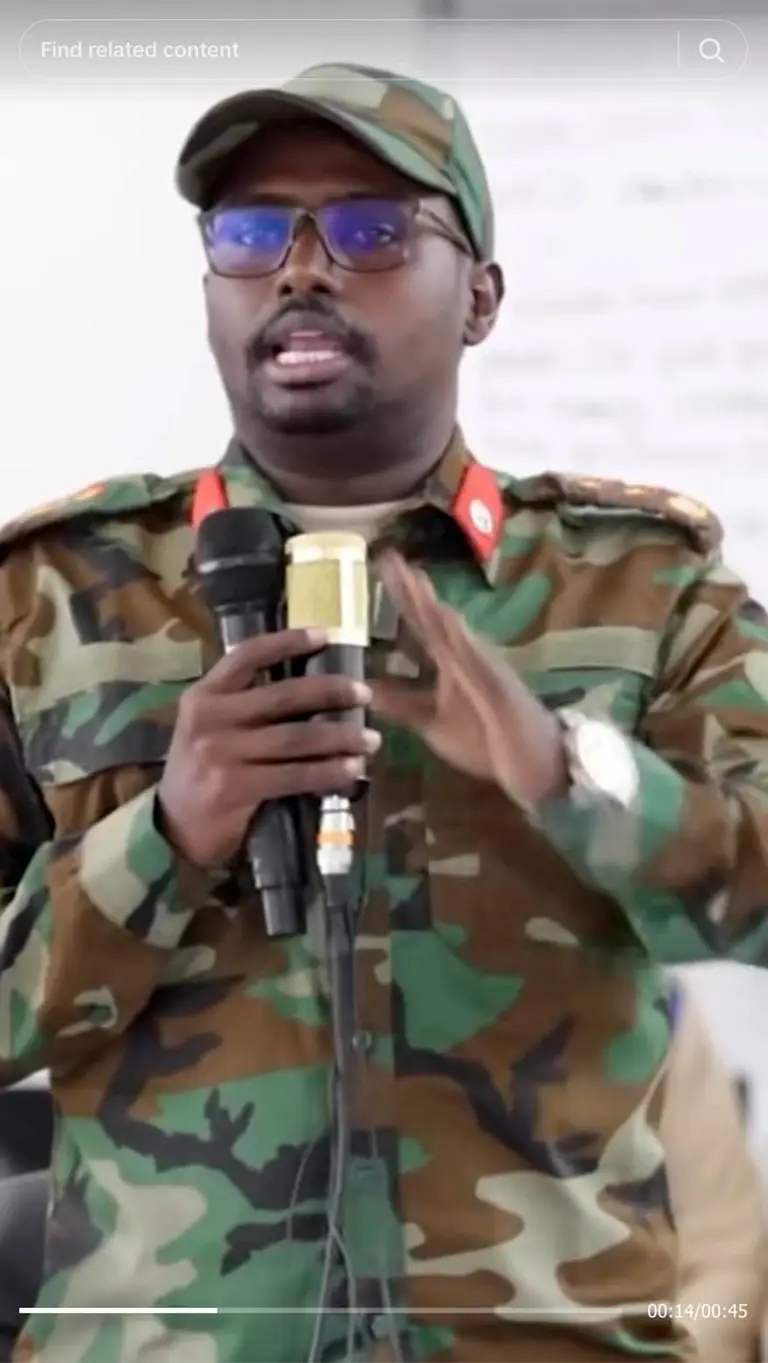
Shuute said defendants had “full access” to legal counsel and said the Somali parliament had passed laws enabling “civilians linked to terrorist acts to be tried in our courts.”
And he remains a heroic figure to many Somalis, who hunger for peace and security. Like so many Somalis over the past 35 years, Shuute has lost family members to the country’s many overlapping wars.
His father was assassinated after Shuute’s trial of the man who masterminded the devastating truck bomb attack in Mogadishu in 2017 that killed at least 587 people.
“My father was not a government worker. He was a civilian, a respected elder. On the day he was killed, he had come to my home. He was deeply worried and advised me to stop my work, calling it too risky. He wanted me to go abroad to pursue my postgraduate studies and promised he would take care of my family while I was away. I listened, but I told him that my duty to my country came first,” Shuute said.
Two hours later, his father was shot dead by two al-Shabaab fighters. If the assassination was an attempt to silence Shuute, it failed. “It made the fight against these dark forces not just a duty, but a sacred responsibility to ensure other families do not suffer as mine did,” he said.
Shuute believes that while his cases can be dark, they can help deter the next generation from joining the group.
“Terrorist groups use social media to show their power and to look heroic. We use it to show their real end: in a courtroom, exposed, and held accountable by the law,” he said. “We fight their propaganda with truth; we show that law is present.”
SOURCE Observer.co.uk, Layla Mahmood
Axad 17 Aug 2025{HMC} Biixi Iimaan Cige Wasiirka Wasaaradda Maaliyadda Dowladda Federaalka Soomaaliya ayaa shaaciyay in dowladda ay diyaarisay qorshe looga hortagayo gaadiidka la baxsada Canshuurta.
Wasiir Biixi ayaa sheegay in Wasaaraddiisa ay keenay nidaam Kaamirooyin casri oo soo qaban doona gaadiidka aan bixin canshuurta, isagoona tilmaamay in nidaamkan uu qeyb weyn ka qaadan doono casriyeynta hay’addaha dowladda Fedaraalka.
Wuxuu sidoo kale xusay wasiirka in magaalada Muqdisho ay ka howl galaan in ka badan 60 kun oo gaadiid ah, hayeshee kaliya ay diiwaan gashan yihiin 25 kun oo gaadiid.
“Waxaan soo wadna nidaam Kaamirooyinka magaalada ku xiran ay soo qaban doonaan gaariga aan canshuurta bixin ee la baxsada ” ayuu yiri Wasiirka Maaliyadda Soomaaliya Biixi Iimaan Cige.
Hadalkan kasoo yeeray Wasiirka Maaliyada ayaa ku soo aadaya, iyadoo dowladda Fedaraalka ay ku dadaaleyso casriyeynta adeegyada bulshada iyo sidii looga fogaan lahaa musuqa iyo isdaba marinta.
Gabagabadii Wasiirka Wasaaradda Maaliyadda Soomaaliya ayaa ugu baaqay shacabka iyo darawallada gaadiidka inay si buuxda ula shaqeeyaan nidaamka cusub, si looga wada faa’iidaysto adeegyada dowladda oo ku tiirsan canshuuraha shacabka.

Sunday 17 Aug 2025{HMC} Ruben Amorim’s goalkeeping gamble backfired as Riccardo Calafiori’s first-half header gave Arsenal victory over Manchester United at Old Trafford.
In their £200m summer rebuild, United opted against bringing in a new keeper.
With first choice Andre Onana not playing a game in a pre-season because of a hamstring injury he suffered at the start of last month, Amorim selected Turkey international Altay Bayindir ahead of veteran Tom Heaton for his side’s opening Premier League game.
But Bayindir allowed himself to get trapped on his line as Arsenal midfielder Declan Rice curled a dangerous 13th-minute corner underneath the crossbar. Bayindir could only get a weak hand to the ball and ended up pushing it on to Calafiori, who turned home what turned out to be the winner from less than a yard.
The result was harsh on the home side, who were much improved on last season and carried by far the greater threat in the game, accumulating more possession and having significantly more shots and efforts on target.
However, Arsenal goalkeeper David Raya made a series of excellent saves to keep the home side out, turning away three shots from one United debutant Matheus Cunha and scrambling to his left in the second half to keep out a goalbound effort from another, Bryan Mbeumo.
Rice went close for the visitors with a late free-kick but Arsenal were still able to complete their fifth victory in six league games over United.
Man Utd analysis: Improved performance but another defeat.
The enthusiastic applause from the home fans that followed initial disappointment, at the end of six minutes of injury time that did not bring the equaliser they craved, told its own story about Manchester United’s performance.
They recorded 20 shots in a Premier League game against the Gunners for the first time since August 2011.
On that occasion, they scored eight times. This time, there was nothing.
Amorim spent most of last season grumbling about not taking opportunities. Yet this didn’t seem like one of those days. Two-thirds of his new £200m strikeforce started the game – and Cunha, who is clearly going to be a crowd favourite because of the fight he shows in every moment, and Mbeumo were excellent.
Casemiro’s passing range was superb. Patrick Dorgu was outstanding at left wing-back and Matthijs de Ligt a rock in central defence.
But they conceded far too easily.
It is easy to imagine United goalkeeping great Peter Schmeichel just barging William Saliba out of the way once Rice’s pinpoint corner was heading under the crossbar. Edwin van der Sar was far too cute to be caught out so easily.
Bayindir ended up in a position from which he could have no influence. And Amorim, and Onana, who was at Old Trafford for the game, would only watch in despair.
In the brutal world of professional sport, results mask everything. Amorim has now lost 15 times in 28 Premier League games as United manager – that is the fastest a manager has reached 15 defeats in the competition, promoted clubs aside, since Paul Hart with Portsmouth in 2009.
Arsenal analysis: Gyokeres does not get dream debut.
The excitement before the match for Arsenal supporters was that they were going to see their new £64m signing Viktor Gyokeres in action in a Premier League match.
The Gunners have come into this season with a new direct style that they are hoping will get the best out of the Sweden striker, and be the difference in them lifting a trophy during this campaign.
Gyokeres’ main attributes are using his power and strength to burst through the centre-backs and boss Mikel Arteta is trying to increase the amount of chances he gets.
However, Gyokeres is lacking in match sharpness and has only been back in full training since signing for Arsenal – after he did not attend Sporting’s pre-season while he looked to force through a move.
There were occasions when the 27-year-old was played into promising positions, but it looks as though it will take time for the players to get used to their new system and for him to build up the fitness he needs to become a key part of the Arsenal attack.
It was not the debut Gyokeres would have dreamed about, and the forward was jeered off by the United supporters when he was replaced by Kai Havertz in the 60th minute.
The usually reliable Arsenal defence did not settle and had some shaky moments during the match – Manchester United able to create chances with direct passes behind the visitors’ defence.
Calafiori is important to the Arsenal attack due to his unpredictability on the ball but his runs into midfield and further up the pitch left Mbeumo in space and that also caused problems for the Arsenal backline.
Arteta will be pleased to get off to a winning start but there is a lot for the manager to work on before their next game.
SOURCE BBC SPORTS
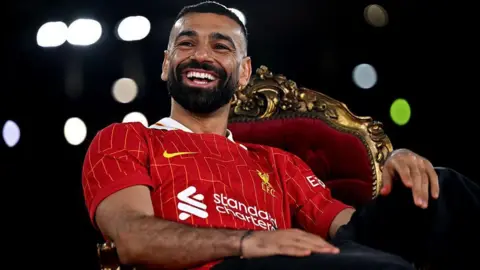
“Whenever I walk in here, I can’t help but recall how he used to move and the way he controlled the ball. It was something else.”
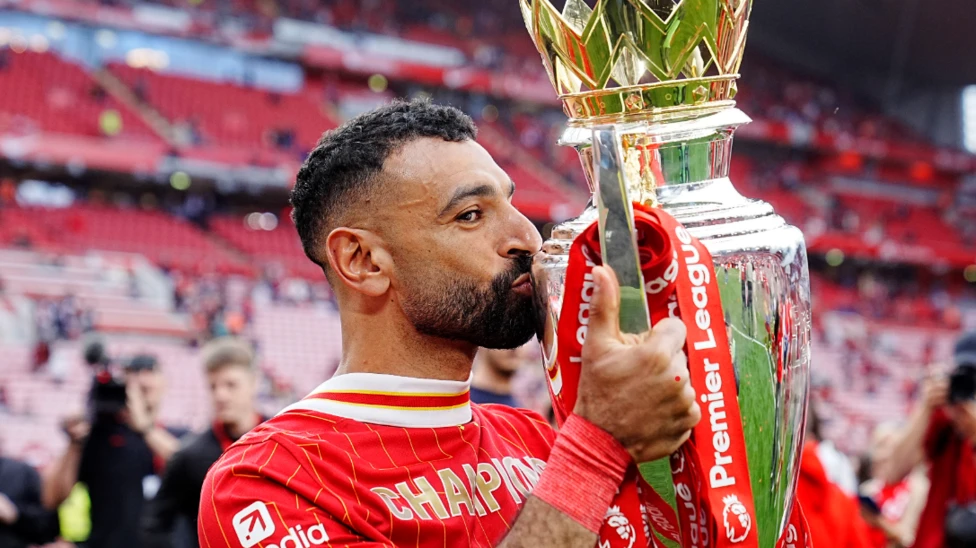
One of Mohamed Salah’s first coaches is opening the all-new dark green gates of the youth centre in Nagrig, a village about three hours north of Cairo. This is where it all began for one of the world’s most prolific forwards – a player who propelled Liverpool to the Premier League title in May.
It was on the streets of Nagrig where a seven-year-old Salah, external would play football with his friends, pretending to be Brazil striker Ronaldo, France’s legendary playmaker Zinedine Zidane or Italian maestro Francesco Totti.
“Mohamed was small compared to his team-mates, but he was doing things even the older boys couldn’t manage,” Ghamry Abd El-Hamid El-Saadany says as he points to the artificial pitch which is now named in Salah’s honour.
“His shots were incredibly powerful, and it was obvious that he had determination and drive.”
Salah, 33, is about to embark on his ninth season at Liverpool, where the winger has scored a remarkable 245 goals in 402 league and cup appearances since joining in 2017.
Egypt’s first global football superstar has won every domestic honour as well as the Champions League with the Reds, but has yet to taste success with his country.
With the Africa Cup of Nations in December and the 2026 World Cup on the horizon, BBC Sport visited Egypt to discover what Salah means to the people of the football-mad country of 115 million, and how a small boy from humble beginnings became a national icon.
“I still feel my father’s joy when I watch Salah,” says Lamisse El-Sadek, at the Dentists Cafe in the east of Cairo. “After Salah joined Liverpool, we used to watch every match on television together.”
The cafe is named after the former owner’s original profession and is now where Liverpool fans gather to watch matches on the big screen.
Lamisse is wearing a Liverpool shirt with her father’s name on the back. “He sadly passed away two years ago,” she adds.
“Every Liverpool game was some of the happiest two hours in our household every week and even if I had to miss some of the game due to school or work, my father used to text me minute-by-minute updates.
“Salah didn’t come from a class of privilege. He really worked hard and sacrificed a lot to reach where he is now. A lot of us see ourselves in him.”
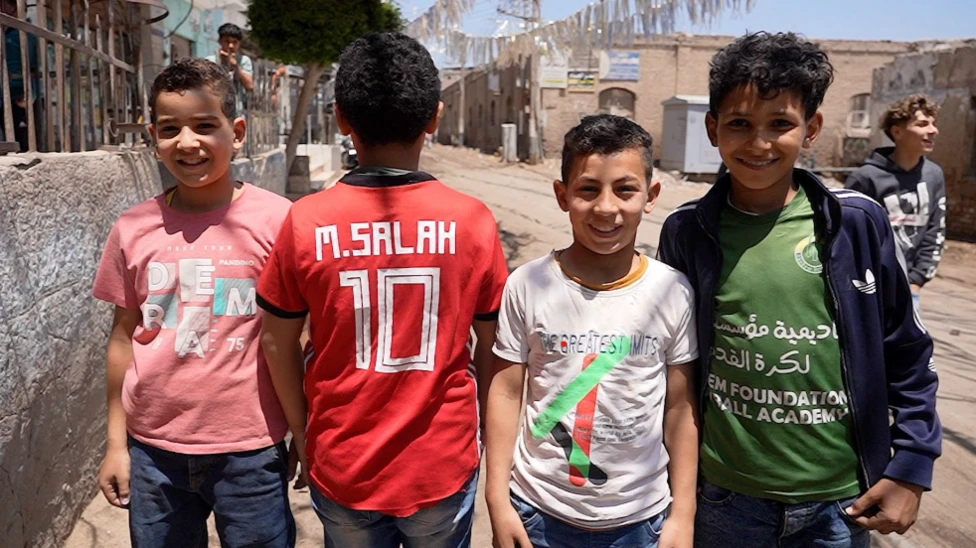
‘All the kids want to be Salah’
The small farming village of Nagrig in the Egyptian Nile Delta is nestled in swathes of green fields, growing jasmine and watermelons. Water buffalos, cows and donkeys share dirt roads with cars, motorbikes and horse-drawn carts.
It is here where one of the world’s best and most prolific forwards, affectionately known as the ‘Egyptian King’, spent his early years.
“Salah’s family is the foundation and secret behind his success,” adds El-Saadany, who calls himself Salah’s first coach after nurturing him when he was eight years old.
“They still live here with humility, values and respect. That’s one reason people love them so much.”
The youth centre has been given an impressive upgrade recently in tribute to the village’s most famous son, and the green playing surface would not look out of place at a professional training ground.
“They [Salah’s family] made many sacrifices when he was young,” says El-Saadany, who is standing next to a huge photograph that hangs behind one of the goals, showing Salah with the Champions League trophy.
“They were incredibly supportive from the very beginning, especially his father and his uncle, who is actually chairman of this centre.”
Salah’s footprint is everywhere in Nagrig, where children run around wearing Liverpool and Egypt shirts with the player’s name and number on the back.
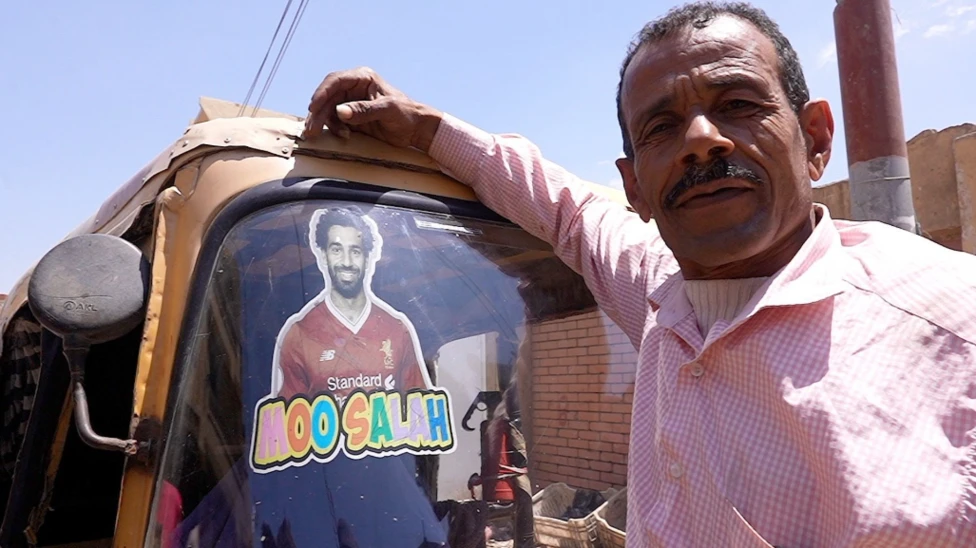
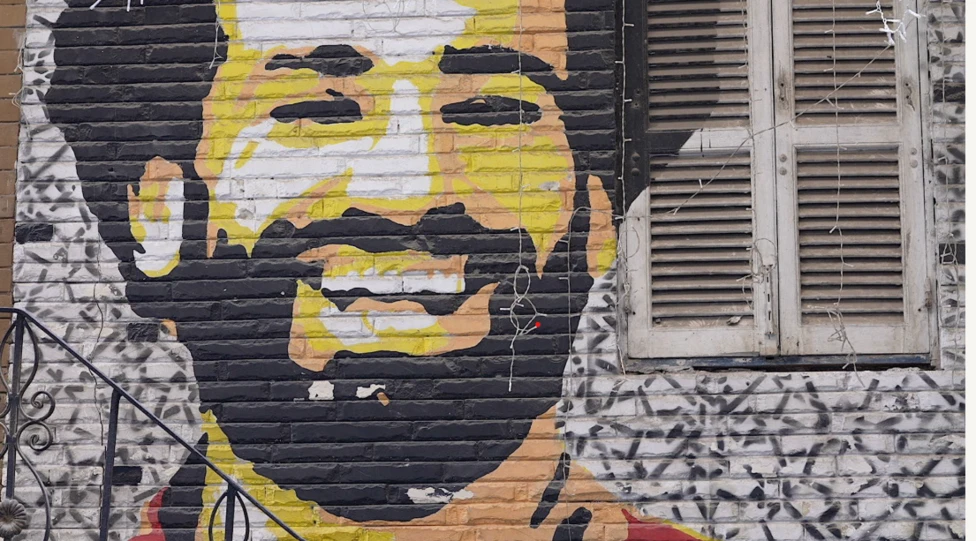
There is a mural of Salah outside his old school, while a tuk-tuk rushes past beeping its horn with a large sticker of the player smiling on the front.
In the heart of Nagrig is the barber’s shop where a teenage Salah would get his hair cut after training.
“I’m the one who gave him that curly hairstyle and the beard,” says Ahmed El Masri.
“His friends told him not to get his hair cut here because we’re from a village not a city, but he’d always come to me. The next day his friends would be surprised [at how good he looked] and ask him ‘who’s your barber?’.”
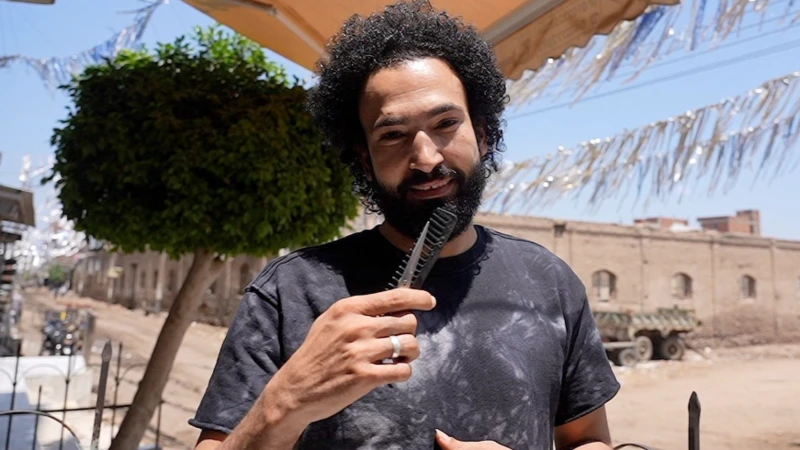
The hairdresser recalls watching Salah’s skills at the youth centre and on the streets of the village.
“The big thing I remember most is that when we all played PlayStation, Salah would always choose to be Liverpool,” he adds. “The other boys would choose Manchester United or Barcelona, but he’d always be Liverpool.
“All the young kids now living in the village want to be like him.”
Salah’s football education included a six-year spell at Cairo-based club Arab Contractors, also known as Al Mokawloon.
He joined them at the age of 14 and the story of Salah being given permission to leave school early to make daily round trips, taking many hours, to train and play for Arab Contractors has become legendary in Egypt and beyond.
Shaped by a famous bus journey
A couple of the passengers on board the cramped, seven-seater Suzuki van on the edge of Nagrig are getting jittery.
“Are they getting on or not?”
This is not a bus service which runs to a timetable. In fact, the driver only leaves when it fills up.
As a teenager this bus stop was where Salah started his long journey to training at Arab Contractors. “It was a tough journey and also incredibly expensive,” El-Saadany says.
“He depended on himself and travelled alone most of the time. Imagine a child leaving at 10am and not returning until midnight. That journey required someone strong; only someone with a clear goal could bear such a burden.”
When we do jump on the bus, we are squeezed at the back behind a mother and her two sons and we head in the direction of a city called Basyoun, the first stop on Salah’s regular journey to Cairo.
He would then jump on another bus to Tanta, before changing again to get to the Ramses bus station in Cairo where there would be another switch before finally reaching his destination.
After the early evening sessions it was time for the same long trip back to Nagrig and the same regular changes in reverse.
The white microbuses darting around the roads at all hours are one of the first things you notice when you arrive in Cairo, packed with travellers hopping on and hopping off.
“These vehicles handle around 80% of commuters in a city home to over 10 million people,” Egyptian journalist Wael El-Sayed explains.
“There are thousands of these vans working 24/7.”
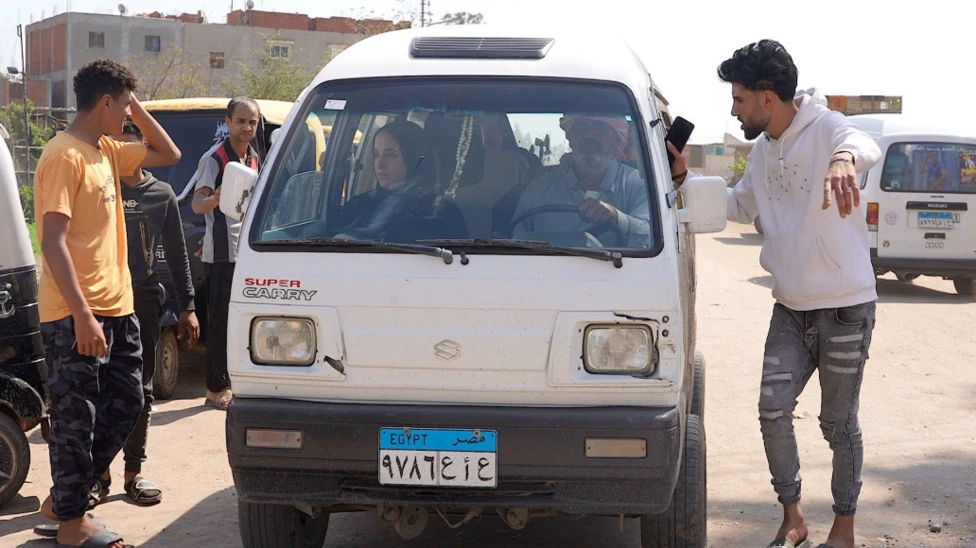
Just the small journey to Basyoun is tough in hot and uncomfortable conditions at the back of the bus, so you can only imagine how challenging the much longer journey, several times a week, would have been for a teenage Salah.
The coach who gave Salah his first international cap believes such experiences have helped provide the player with the mentality to succeed at the top level.
“To start as a football player here in Egypt is very hard,” says Hany Ramzy.
Ramzy was part of the Egypt side that faced England, external at the 1990 World Cup and spent 11 years playing in the Bundesliga. He handed Salah his senior Egypt debut in October 2011 when he was interim manager of the national side.
He was also in charge of the Egypt Under-23 team that Salah played in at the London 2012 Olympics.
“I also had to take buses and walk five or six kilometres to get to my first club of Al Ahly and my father couldn’t afford football boots for me,” adds Ramzy.
“Salah playing at the top level and staying at the top level for so many years was 100% shaped by this because this kind of life builds strong players.”
‘Don’t defend!’
Driving into Cairo over one of its busiest bridges, a huge electronic billboard flicks from an ice cream advert to a picture of Salah next to the Arabic word ‘shukran’, which means ‘thank you’.
Waiting at a nearby office is Diaa El-Sayed, one of the most influential coaches in Salah’s early career.
He was the coach when Salah made his first impact on the global stage, at the 2011 Under-20 World Cup in Colombia.
“The country wasn’t stable, there was a revolution, so preparing for the tournament was tough for us,” says the man everyone calls ‘Captain Diaa’.
“Salah came with us and the first thing that stood out was his speed and that he was always concentrating. He’s gone far because he listens so well, no arguments with anyone, always listening and working, listening and working. He deserves what he has.”
‘Captain Diaa’ recalls telling a young Salah to stay away from his own penalty area and just concentrate on attacking.
“Then against Argentina, external he came back to defend in the 18-yard box and gave away a penalty,” he says, laughing.
“I told him, ‘don’t defend, why are you in our box? You can’t defend!’.
“After Liverpool won the Premier League title last season, I heard him saying Arne Slot tells him not to defend. But I was the first coach who told him not to defend.”
Egypt’s ‘greatest ambassador’
Salah has played for the senior national team for 14 years and his importance to Egypt is such that high-ranking government officials have been known to get involved when he has been injured.
“I even had calls from Egypt’s Minister of Health,” recalls Dr Mohamed Aboud, the national team’s medic, about the time Salah suffered a serious shoulder injury in Liverpool’s defeat to Real Madrid in the 2018 Champions League final, leading to speculation he could miss the World Cup in Russia a few weeks later.
“I told him not to panic, everything is going well.”
Speaking from his medical clinic in the Maadi area of Egypt’s capital, Dr Aboud adds: “I was younger and the pressure from inside the country was intense.
“I had calls from so many people trying to help. One of our board members told me I was now one of the most important people in the whole world.
“This situation changed me as a person.”
For the record, Salah did recover to play in two of his country’s three group games but was unable to prevent Egypt from making a quick exit after defeats to Uruguay, Russia and Saudi Arabia.
“I need to tell you that Salah was involved in every single goal in our 2018 World Cup qualification campaign,” says former Egypt assistant coach Mahmoud Fayez at his home on the outskirts of Cairo.
Salah had scored a dramatic 95th-minute penalty against Congo in Alexandria to secure a 2-1 win and book Egypt’s place at the World Cup, with one qualifying game to spare, for the first time in 28 years.
In a nail-biting game, Salah put Egypt ahead before Congo equalised three minutes from time.
“Do you know when you can listen to silence? I listened to the silence when Congo scored – 75,000 fans and silence everywhere,” adds Fayez.
Then came the penalty that turned Salah into a national hero.
“Imagine it, a nation of nearly 120 million waiting for this moment to qualify,” says Fayez. “He had the toughest and most difficult moment for one player, a penalty in the 95th minute that Mohamed had to score.
“He scored it and he made us all proud. In the dressing room afterwards he started to dance, hug everyone and he was shouting ‘we did it, we did it’, after 28 years, we did it.”
In Cairo is a football academy called ‘The Maker’, founded and run by former Tottenham and Egypt striker Mido, who is hoping to produce players who will follow in Salah’s footsteps.
“I played for the national team in front of 110,000 people when I was only 17, the youngest player to represent Egypt,” Mido says. “I love to feel that people depend on me and Salah is the same.”
At the time of our visit, a classroom lesson for young players about the mindset required to become a top professional is taking place.
Underneath Salah’s name on a whiteboard, one of the coaches has written “discipline, dedication and motivation”.
“The reason Salah is where he is now is because he works on his mental strength daily,” Mido adds.
“He is the greatest ambassador for Egypt and for African players as well. He made European clubs respect Arab players, this is what Salah has done.
“I think a lot of European clubs now, when they see a young player from Egypt, they think of Salah. He has made our young players dream.”
Giving back to where it all started
Back to Nagrig and we meet Rashida, a 70-year-old who sells vegetables from a small stall. She talks about how Salah has changed her life and the lives of hundreds of other people in the village where he was born and raised.
“Mohamed is a good man. He’s respectful and kind, he’s like a brother to us,” Rashida says.
She is one of many people in the village who have benefited from the work of Salah’s charity, which gives back to the place where his journey to football stardom started.
“The aim is to help orphans, divorced and widowed women, the poor, and the sick,” says Hassan Bakr from the Mohamed Salah Charity Foundation.
“It provides monthly support, meals and food boxes on holidays and special occasions. For example [with Rashida] there’s a supplement to the pension a widow receives.
“When Mohamed is here he stays humble, walking around in normal clothes, never showing off. People love him because of his modesty and kindness.”
As well as the charity helping people like Rashida, Salah has funded a new post office to serve the local community, an ambulance unit, a religious institute and has donated land for a sewage station, among other projects.
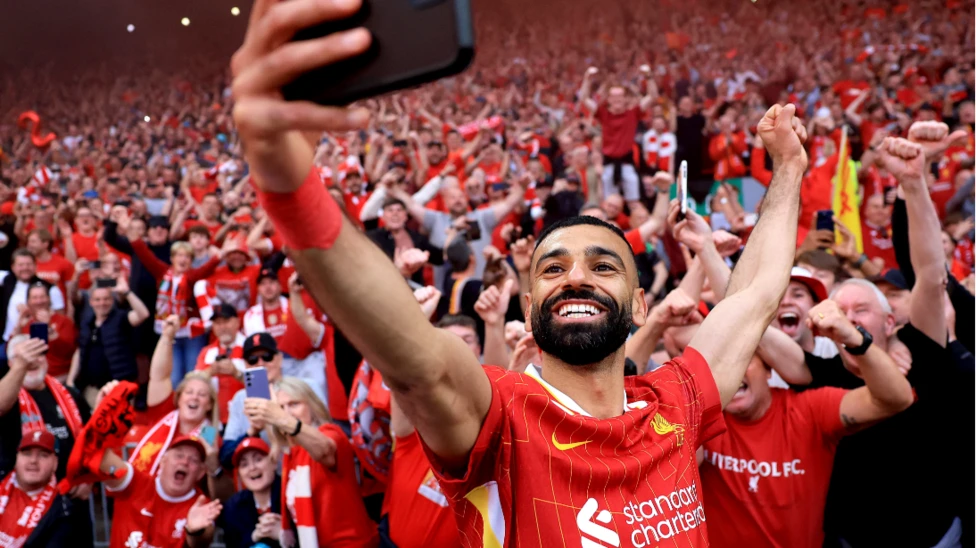
When Liverpool won the English league title for a record-equalling 20th time last season, fans turned up at a local cafe in Nagrig to watch on television and celebrate the village’s famous son.
With there be more celebrations in Salah’s home village in 2025-26?
Despite helping Liverpool to the Premier League title in 2019-20 and 2024-25, the player has yet to lift a trophy for his country.
The generation before Salah won three Africa Cup of Nations titles in a row between 2006 and 2010. Since then, there have been two defeats in finals, against Cameroon in 2017 and Senegal in the 2021 edition, which took place in early 2022.
With the 2025 Africa Cup of Nations starting on 21 December – six months before the World Cup – do Egyptians feel that the 33-year-old now needs to deliver on the international stage?
“Salah has already done his legacy. He’s the greatest Egyptian footballer in our history,” says Mido.
“He doesn’t have to prove anything to anyone, he’s a legend for Liverpool and a legend for Egypt.”
source BBC Sports.

Axad 17 Aug 2025{HMC} Warsaxafadeed kasoo baxay Wasaaradda Gaashaandhigga Xukuumadda Fedaraalka Soomaaliya ayaa lagu shaaciyay in howlgal qorsheysnaa oo ka dhacay deegaanka Buurdhuxunle ee gobolka Bakool lagu dilay sarkaal sare oo ka tirsana kooxda Al-shabaab.
Sarkaalkan ayaa magacabiisa lagu sheegay Xuseen Macalin Xasan (Magaalabeen), kasoo ay Wasaaradda Difaacu sheegtay inuu ka tirsanaa Al-shabaab mudo 15 sano ah.
Warsaxafadeedka ayaa sidoo kale lagu sheegay in sarkaalkan uu kasoo howlgalay gobollada Hiiraan, Shabeellada Dhexe, Shabeellada Hoose, Mudug, Galgaduud, Baay, Bakool iyo Gedo, isagoona xilalka kala duwan soo qabtay.
“Dhagarqabaha la khaarajiyay Xuseen Macallin Xasan (Magaalabeen) wuxuu horay soo noqday:
* Madaxa howlgelinta dagaalka ee Gobollada Baay, Bakool iyo Gedo.
* Madaxa baadda xoolaha ee gobolka Bakool.
* Madaxa sirdoonka kooxda ee gobollada Labada Shabeelle iyo Hiiraan.
Sidoo kale waxaa uu soo noqday ku-xigeenkii Fu’aad Maxamed Shongole ee marin-habaabinta iyo faafinta afkaaraha xagjirka ah” ayaa lagu yiri qoraalka kasoo baxay Wasaaradda Gaashaandhigga Soomaaliya.
Wasaaradda Gaashaandhigga waxay sido kale cadeysay in howlgallada noocaan oo kale ah ay sii socon doonaan ilaa inta laga ciribtirayo kooxda guud ahaan deegaanada ay kaga sugan yihiin gobolada dalka.